News

In Memoriam: Thomas Gentille

The American Craft Council remembers 2018 Fellow Thomas Gentille, who passed away earlier this month.

By Beth Goodrich
March 30, 2026

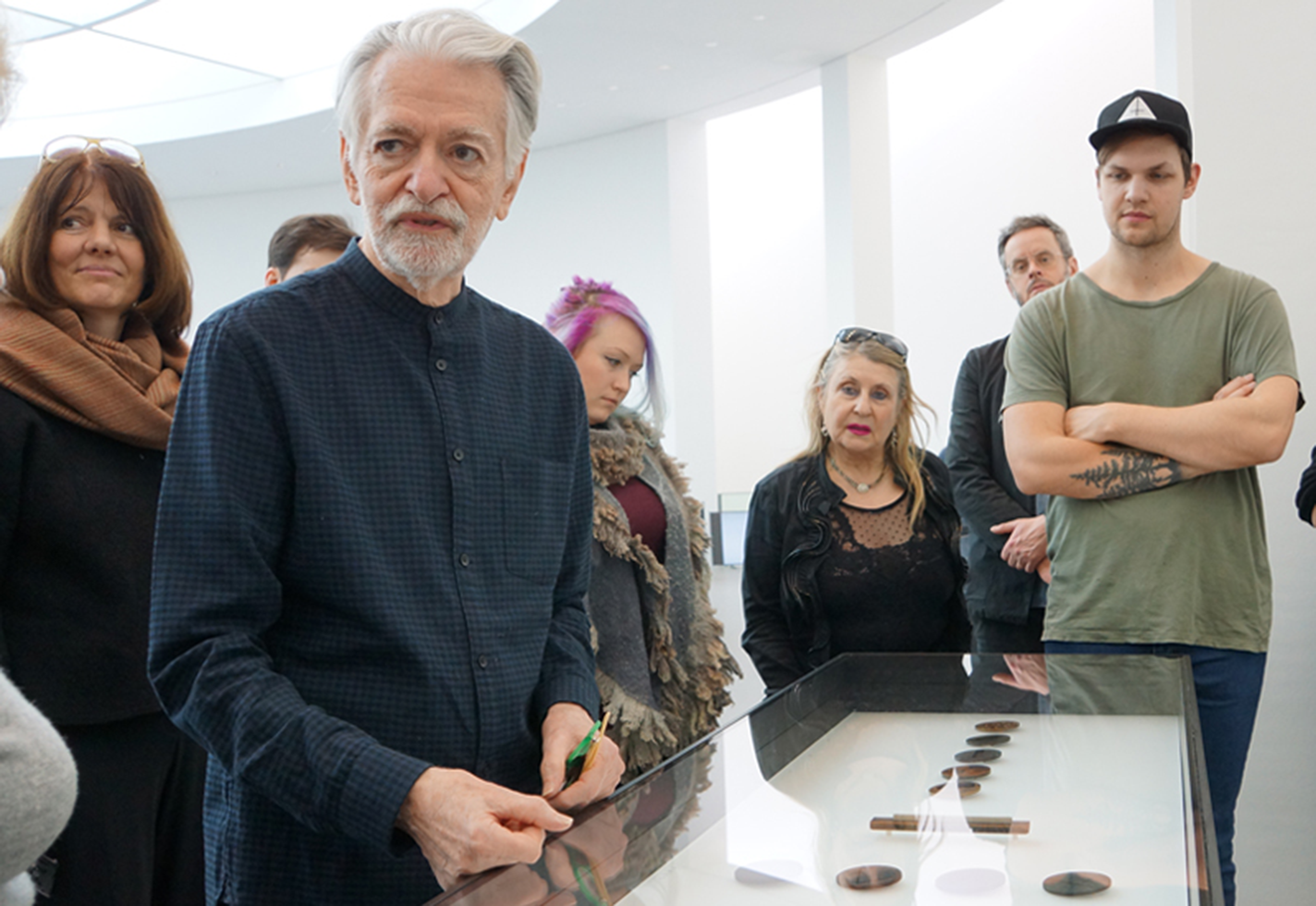
Photo by Benjamin Lignel, courtesy of Gallery Loupe

Thomas Gentille during a press presentation at The Design Museum, Munich, 2016.

Artist jeweler and ACC Fellow Thomas Gentille died on March 6 in Manhattan at the age of 89. He was known for his work with non-precious materials, celebrating the nature of material and exhibiting careful attention to form and color. 

Thomas Gentille was born in Mansfield, Ohio, in 1936. During his high school years, he found a great mentor in his art teacher, Clay Walker, who recommended the Cleveland Art Institute for Gentille’s continued education. While there, Gentille studied painting and sculpture, which included many courses on color theory taught by Joseph McCullough, a student of Josef Albers. 

It wasn’t until his senior year that Gentille took a jewelry course with Fred Miller, which cemented his interest in making jewelry. He never received his BFA in painting, but he was granted a teaching certificate and he went on to launch his career as a jewelry maker, first in Cleveland and then in Boston.
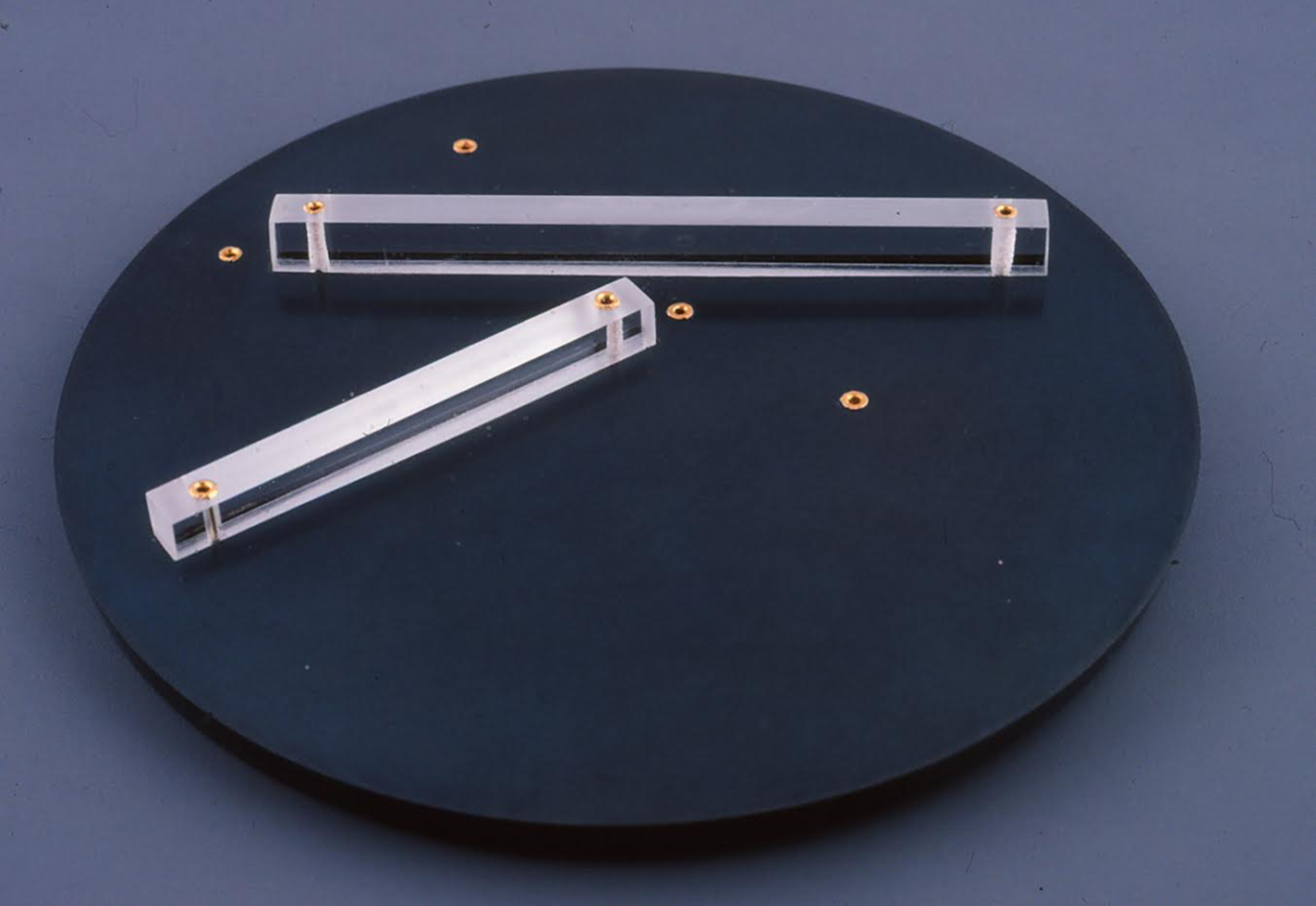
Photo by Alan Fairly

Hip pin from the DeMarco Series, bronze, acrylic, 14k and 24k gold, 3.75 x 3.75 x 0.5 in.

Gentille’s artistic career was interrupted when he was drafted into the U.S. Army and stationed in Germany as a machine gunner. His teaching certificate allowed him to move into a position in the military’s high school equivalency program teaching history and general science. Upon completing his term of service, he settled in New York City, working various odd jobs to support his jewelry practice, including working as a handyman for the Museum of Contemporary Crafts and for America House.

During the 1960s, Gentille was invited to develop a jewelry program at the 92nd Street Y in Manhattan, which he ran for 11 years. He also spent time teaching at Parsons School of Design, and in 1968 he published Step-by-Step Jewelry: A Complete Introduction to the Craft of Jewelry, long considered a primary text for students in the jewelry field.

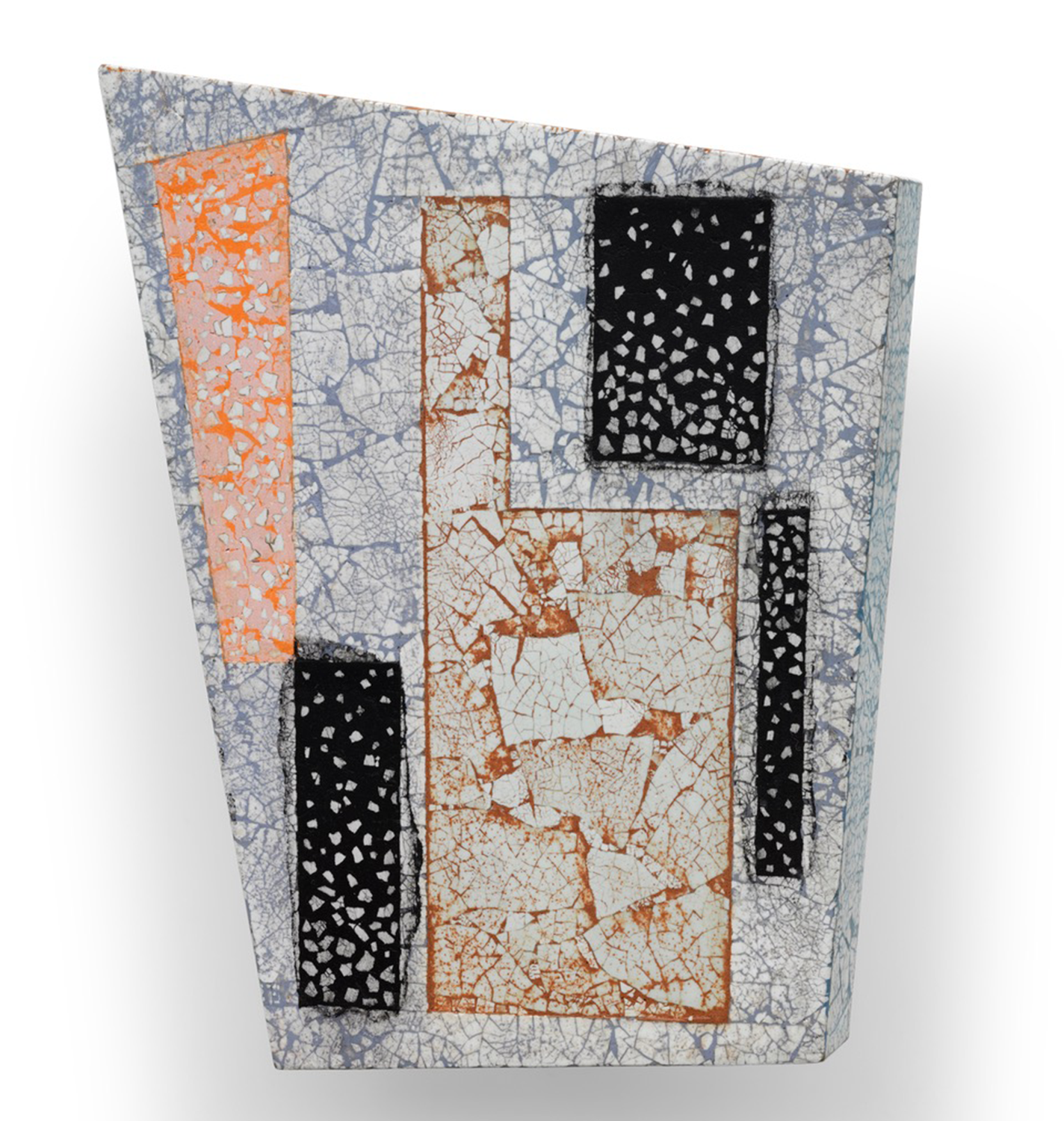
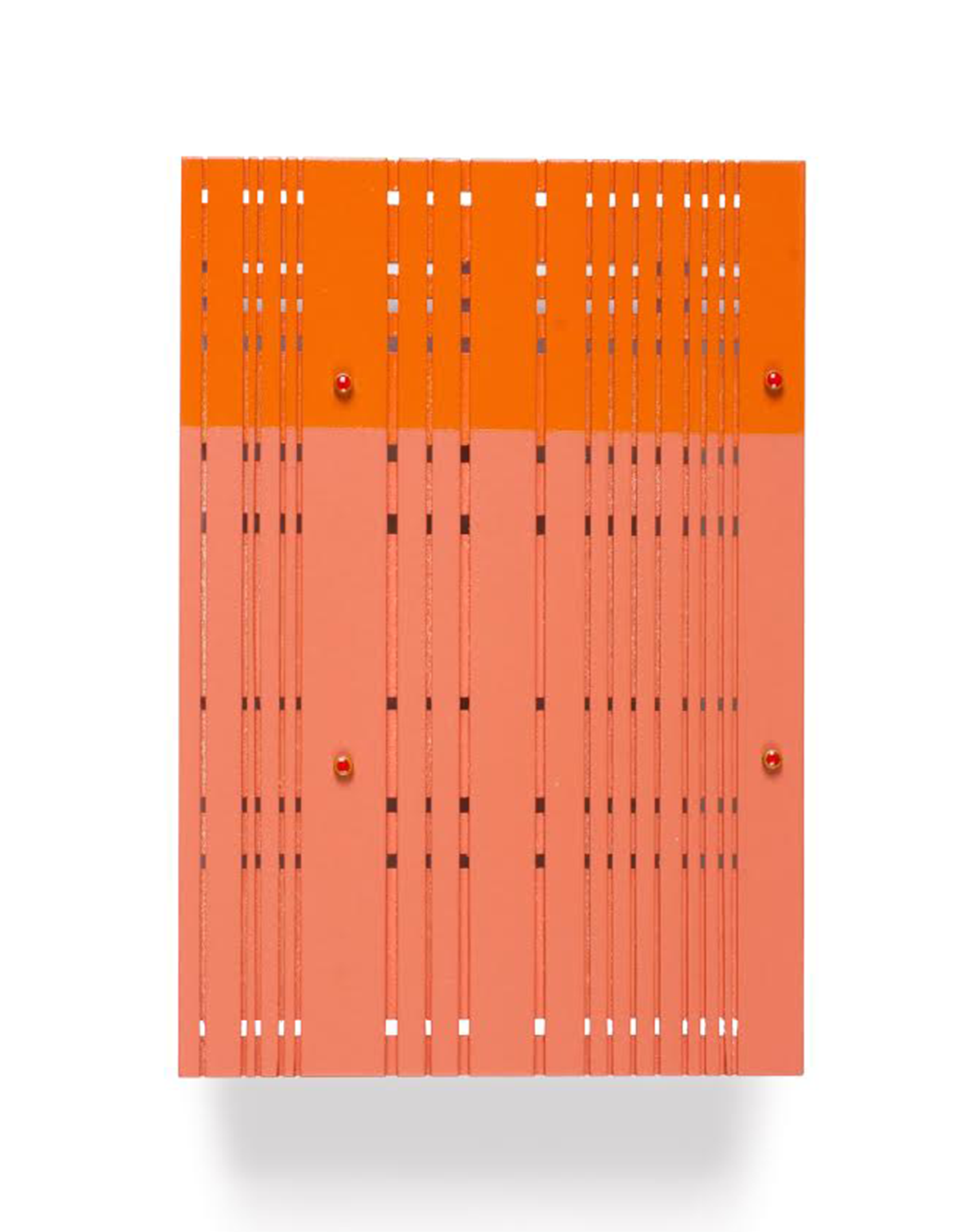
Gentille referred to himself as an “artist jeweler” rather than a jewelry artist. His work exhibits a minimalist aesthetic, flawless engineering, and careful selection of color. He worked in a variety of materials outside of metals, such as plywood, eggshell, and acrylic. Fascinated with the Chinese technique of eggshell inlay but concerned about the toxic chemicals involved in the process, he invented his own technique using non-toxic materials.

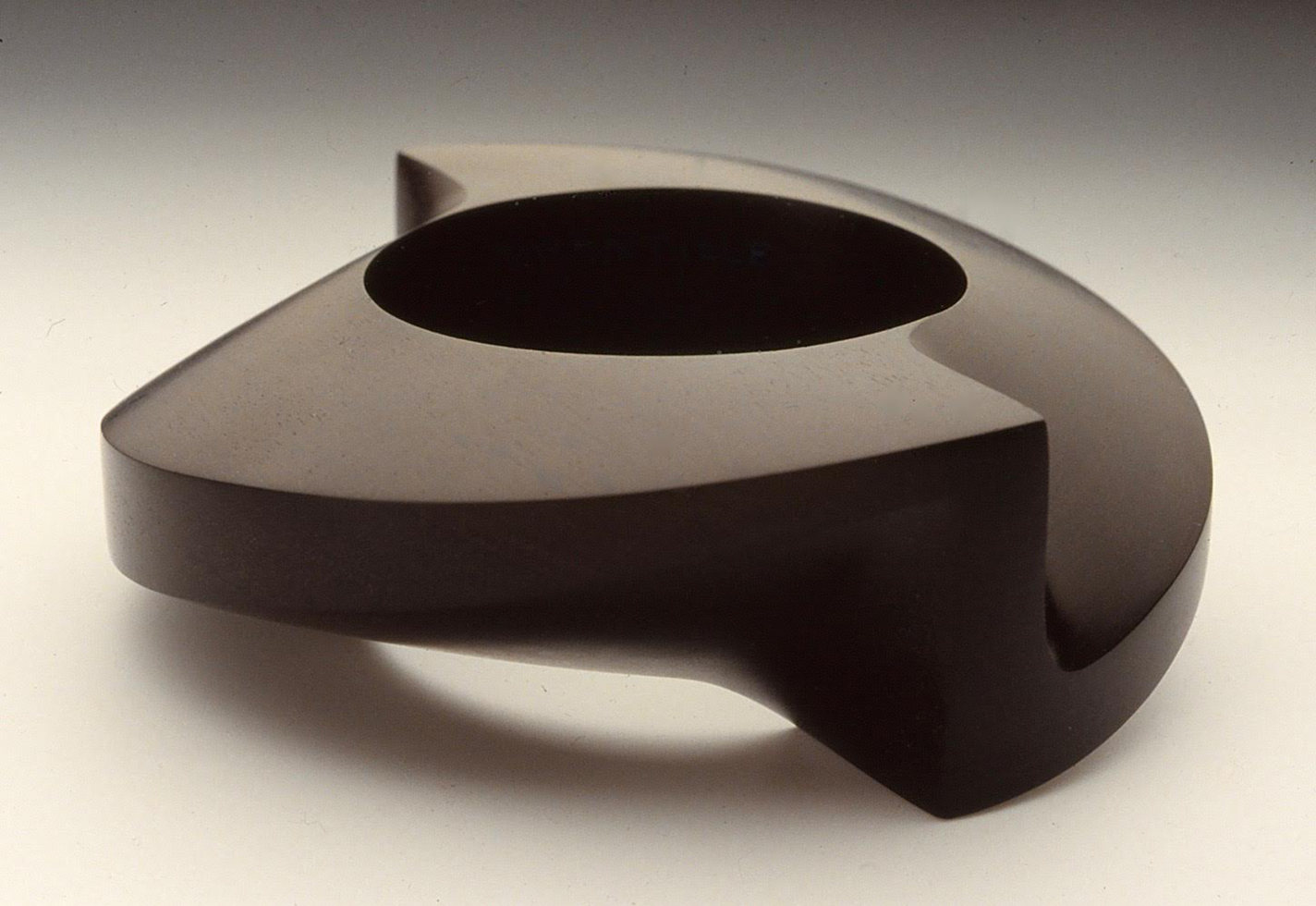
Photo by Alan Fairly

An ebony armlet, 5 x 5 x 3.25 in.

In a 2009 oral history interview for the Smithsonian Archives of American Art, he stated, “I wanted [jewelry] to be about the material that it was made with, because even at the very beginning … I felt that the materials were very, very important … And then what you did with that material, how you reveal that material, was an important thing.” 

Gentille was renowned internationally with numerous solo exhibitions to his name, including a retrospective at Die Neue Sammlung – The Design Museum in Munich in 2016. His work is held in such collections as the Museum of Arts and Design; Cooper Hewitt, Smithsonian Design Museum; the Philadelphia Museum of Art; the Museum of Fine Arts, Houston; the Cleveland Museum of Art; and the Victoria and Albert Museum, London. His numerous awards include the Herbert Hofmann Prize (2001), the Bavarian State Prize (2004), and the Society of North American Goldsmiths’ (SNAG) Lifetime Achievement Award (2025). He was inducted into the American Craft Council College of Fellows in 2018.

An oral history recording of the life and career of Thomas Gentille can be found at the Archives of American Art, Smithsonian. 

Listen to an interview with Thomas Gentille from 2018 on ACC’s YouTube channel.

Photographer unknown

A pin with eggshell inlay, 4.5 x 3.5 x 0.5 in.

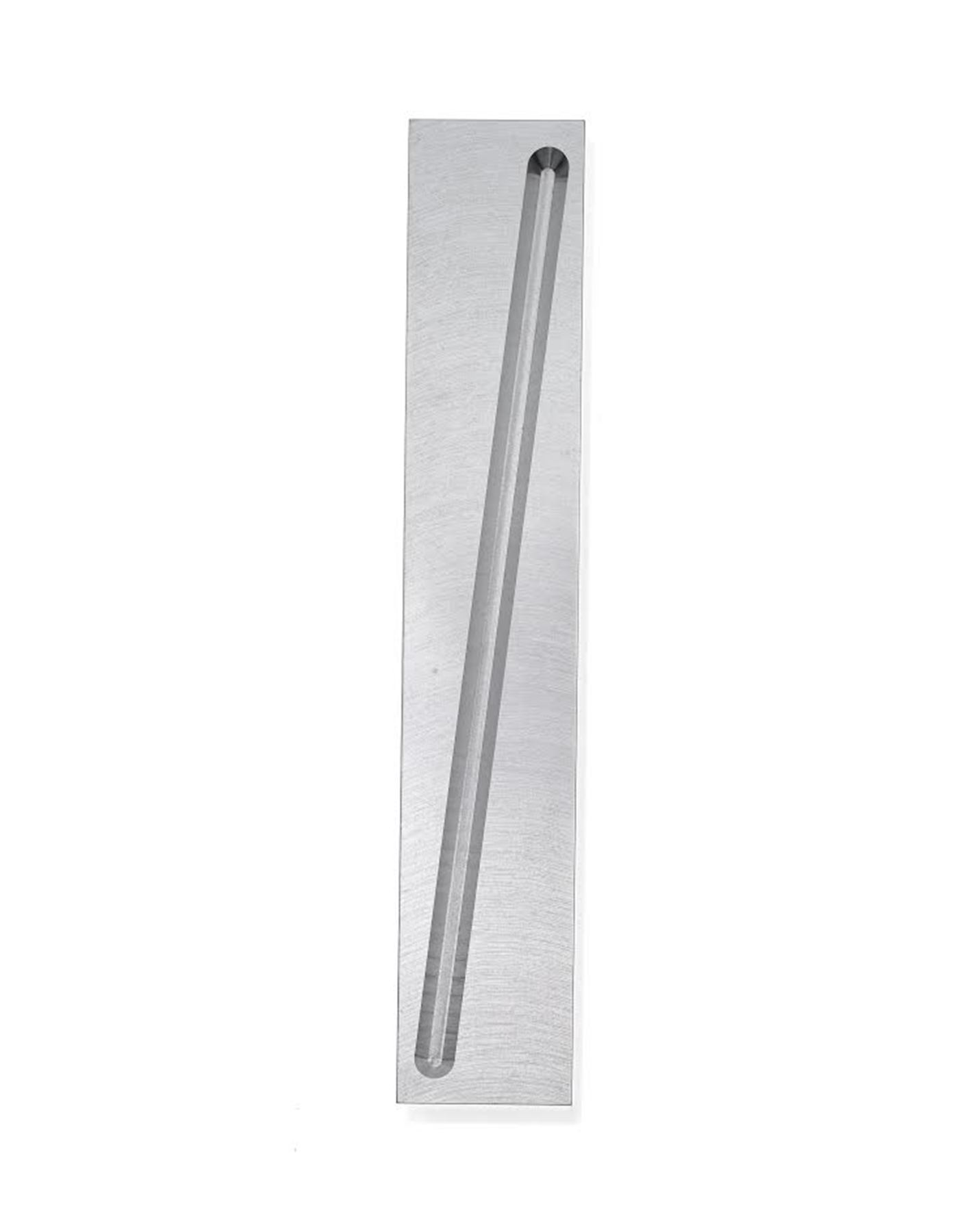
  • Photo by Joe Gold

    An aluminum pin, 6 x 1 x 0.25 in.

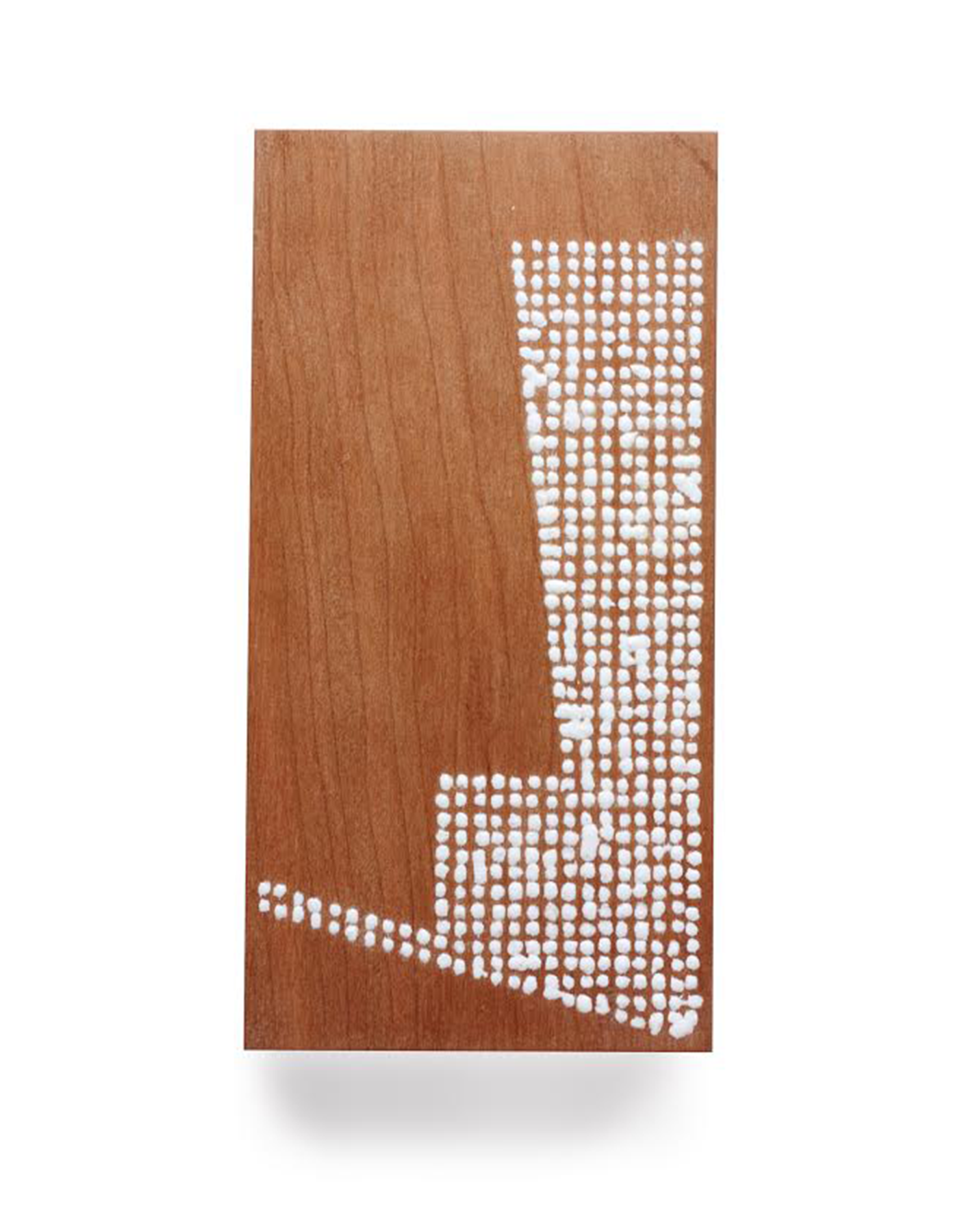
  • Photographer unknown

    A pin made from cherry, pigmented resin inlays, and metal, 5 x 2.5 x 0.5 in.

  • Photo by Steven Brian Samuels

    A pin made from maple, paint, stainless steel, and pigmented resin, 4.5 x 3 x 1 in.

Beth Goodrich is an independent librarian and archivist specializing in the arts. She was previously the librarian and archivist for the American Craft Council from 2017 to 2025.

Before you go!

We believe that making creates a meaningful world, and we hope you do, too. Deeply researched and impactful journalism on the craft community is in short supply. At the same time, being featured in craft-centered media and articles can have a major effect on a maker’s or artist’s livelihood, particularly those who are just starting in their career. You can help support our mission and the work of makers around the country by becoming a member or by making a gift today.

Thank you!
American Craft Council