News

American Craft Connects Conference & Awards 2026 Report

See what happened September 4–6, 2026 in Minneapolis, MN.

Download the conference report

American Craft Connects Conference & Awards at the McNamara Center on the University of Minnesota campus.
Photo by Jake Luck

American Craft Connects Conference & Awards 2026 took place in Minneapolis, MN.

This past September 4–6, more than 200 makers, artists, collectors, educators, and other professionals from across the craft field gathered for American Craft Connects Conference & Awards 2026, three days of thought-provoking conversations, new connections, and celebration of the artful work of the human hand. ACC’s first conference since 2019 offered a long-awaited opportunity to come together, exchange ideas, and consider where craft is headed next.

Conference by the numbers:

  • 3 days
  • 26 panels & presentations
  • 74 speakers
  • 200+ attendees
  • 20+ mentorship pairings
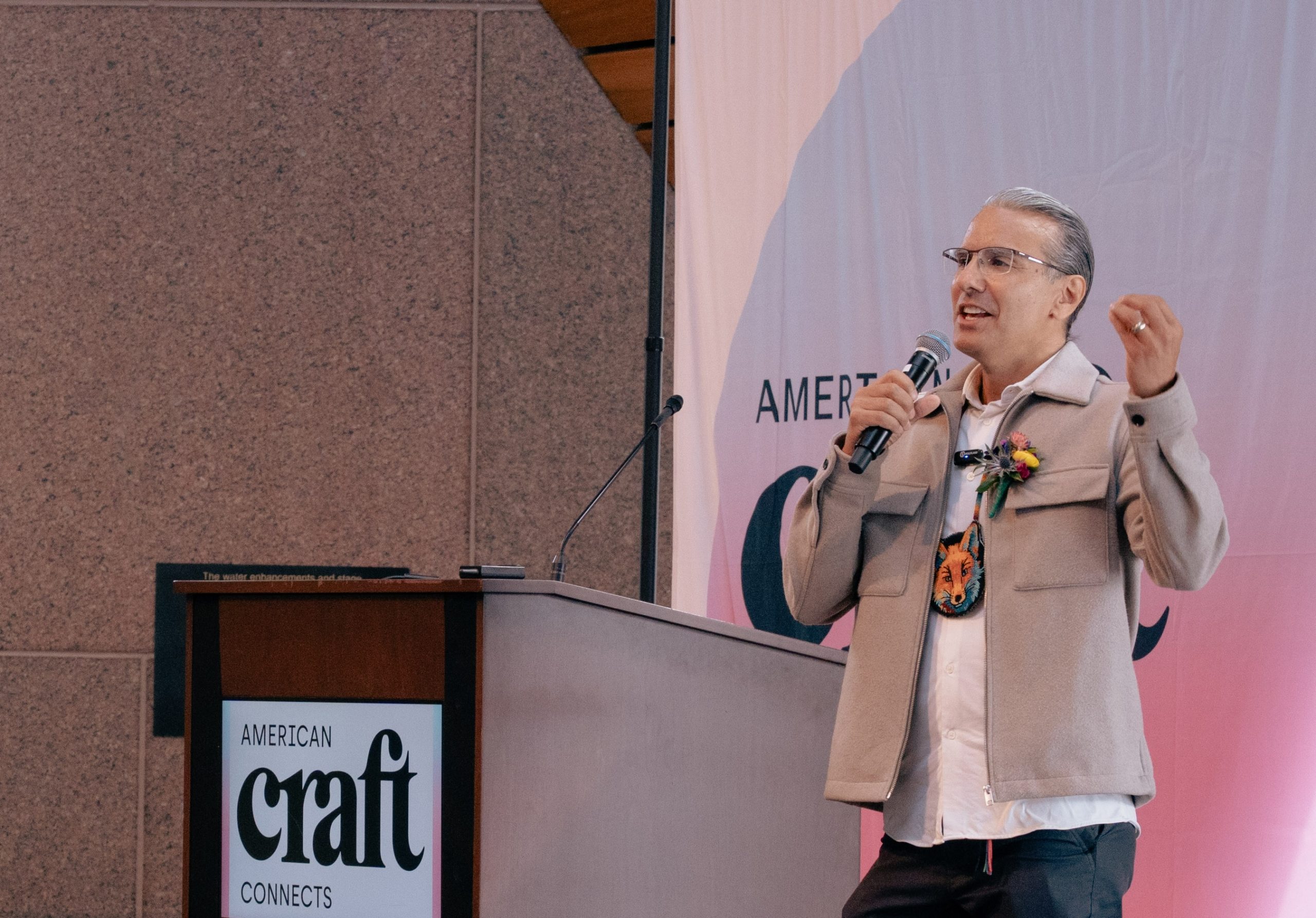
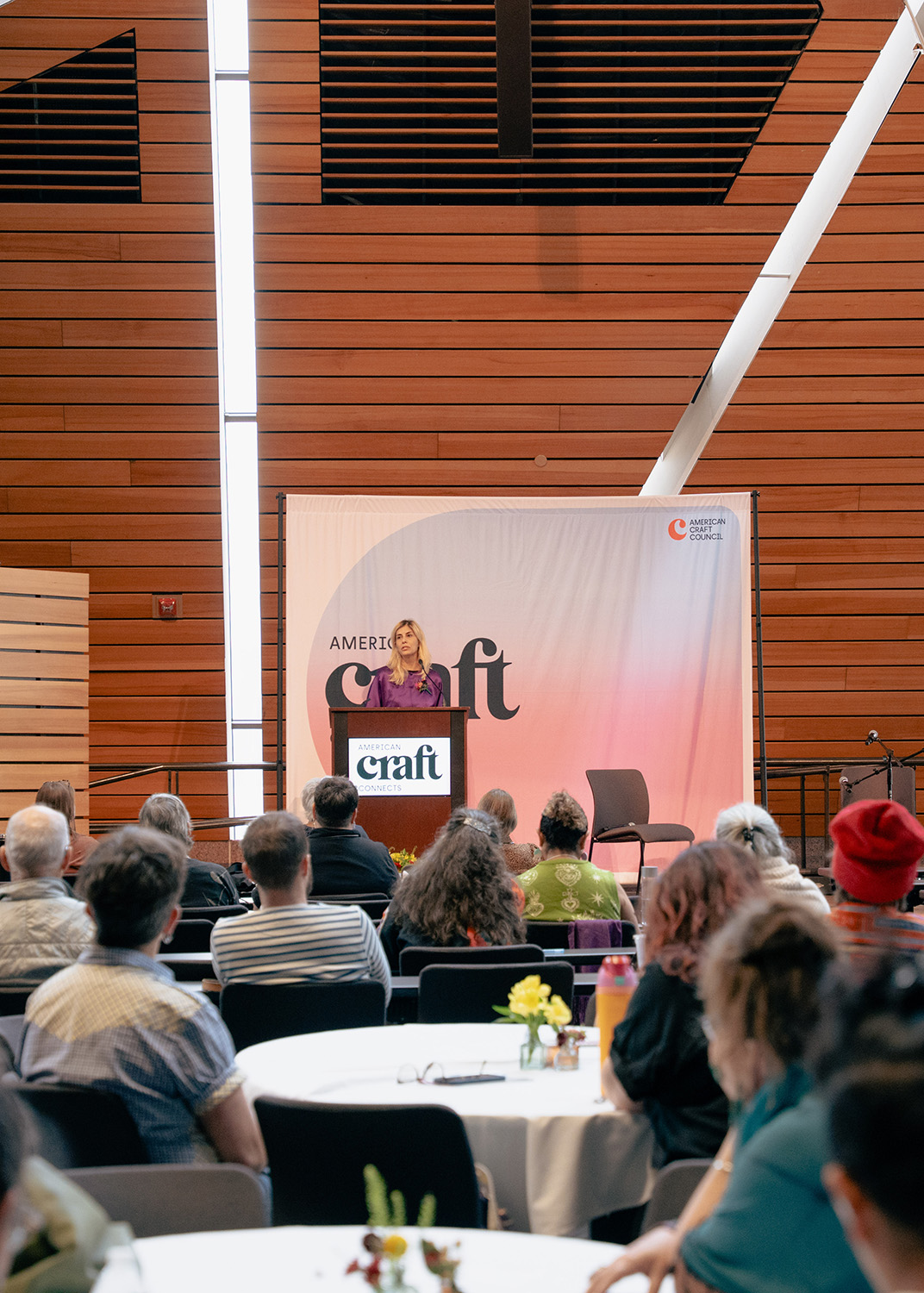
Dr. Anton Treuer speaking at American Craft Connects Conference & Awards 2026
Photo by Jon Dahlin

ACC welcomed Dr. Anton Treuer as opening speaker for American Craft Connects 2026

Themes that defined the 2026 Conference

Across conversations and gatherings, participants explored the forces shaping the field today—from questions of access, sustainability, and cultural responsibility to the evolving roles of artists, institutions, collectors, and communities—and considered how craft might help us imagine a more life-affirming future. Among the many sessions at this year’s conference, a few key themes rose to prominence:

  • Craft as civic action. Building community, craft as a form of resistance, strengthening community relationships, addressing public needs, and participating in civic life.
  • Identity, memory, justice, and belonging. The many ways that craft connects to cultural memory and personal or cultural identities.
  • Education and the transmission of knowledge. How education ensures that craft knowledge survives and thrives across generations.
  • Artist livelihoods, support systems, and field resilience. The structures surrounding artists and makers—from funding systems to emergency relief, and more.
  • Museums, collections, and the making of craft history. The roles of museums and collectors in preserving, interpreting, and ‘legitimizing’ craft. How the field talks, writes, and thinks about itself. How the field can grow through criticism, interpretation, research, and storytelling.
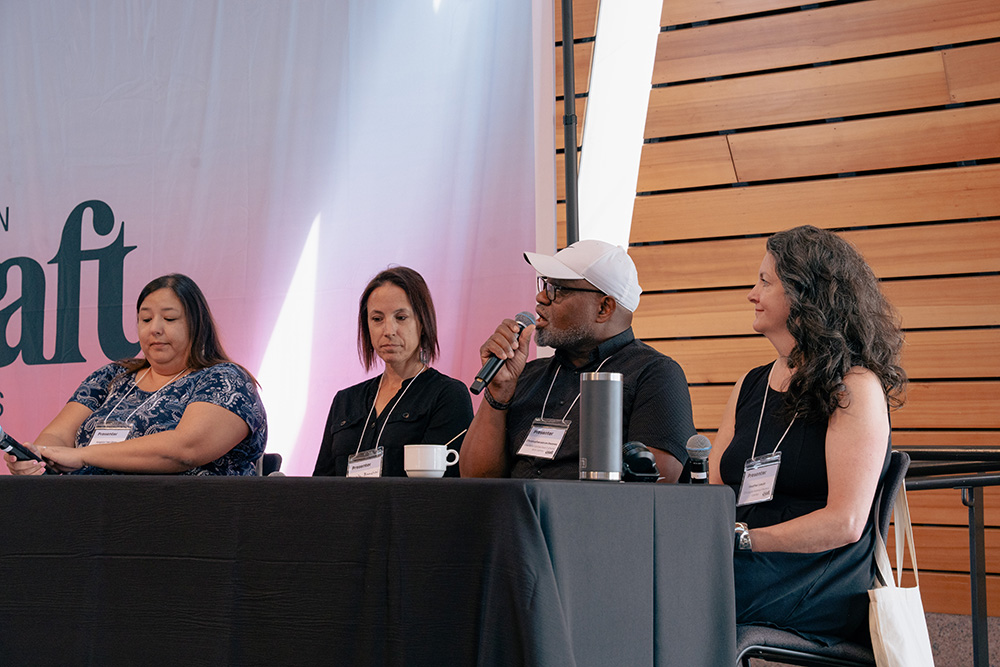
Photo by Jon Dahlin

“We rarely have a chance to gather as a group of craft professionals (particularly cross-sector) ...[T]his is the opportunity to do that.”

— Conference attendee

For the field, more broadly than ever

The conference welcomed a broad range of craft field professionals. Nearly 60% of attendees said they work in the creative or nonprofit sector and engage with craft professionally, while 56% described themselves as having been involved in the craft community for years as an artist, collector, or advocate.

These numbers reflect ACC’s goal to build connections across the craft field and bring established professionals, longtime community members, and emerging artists into conversation around shared interests and values–from tradition and innovation to technique, material, and the many ways craft shapes our lives.

Mentorship and the Future of the Field

The two largest age groups in attendance were 35–44 (30%), followed by 45–54 (26%). ACC partnered individuals within its Early Career Artist Program with longstanding artists and leaders in the craft field. Through informal meetings and ongoing conversations, the Conference helped to support intergenerational knowledge sharing and the preservation of craft as an art form.

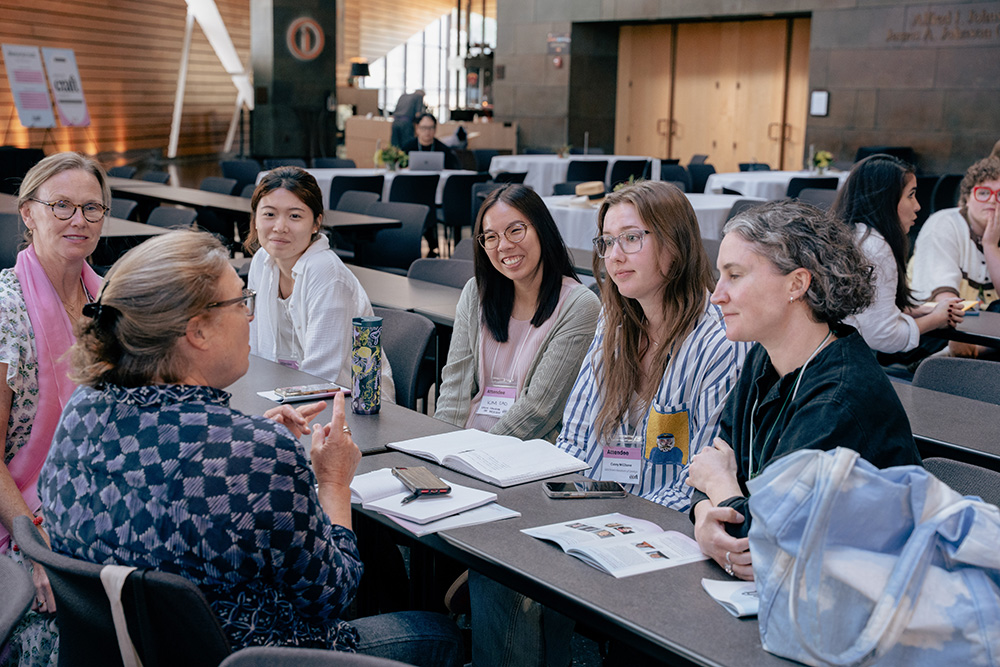
Photo by Jon Dahlin

A gathering of community

This year’s conference placed community at the center, a focus that was reflected in what attendees valued most. Among the attendees who responded to post-event surveys, informal conversations with colleagues ranked as the most valuable part of the experience, selected by 72% of respondents. Attendees appreciated being able to have meaningful exchanges around ideas, questions, and insights with people working across our diverse field. One respondent specifically noted that hearing from people in both craft and  craft-adjacent fields created opportunities for meaningful personal connections.

Photo by Jon Dahlin

Honoring the field and the 2026 ACC Award Recipients

ACC Awards Celebration

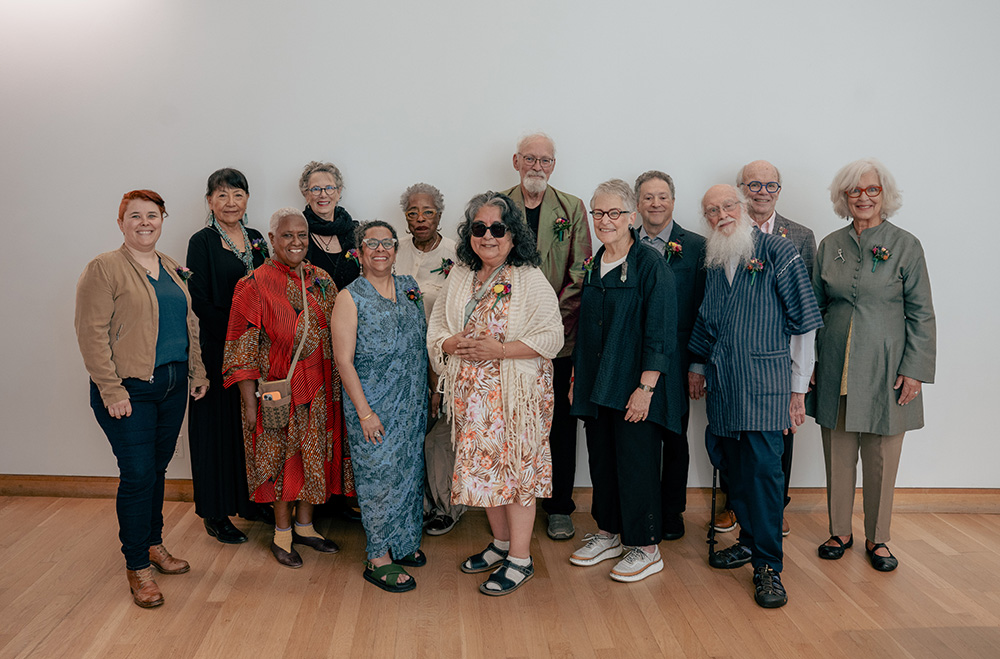
The biennial ACC Awards are one of our country’s longest-standing, most prestigious honors in the field of craft. Since 1975, ACC has celebrated over 350 artists, scholars, teachers, and advocates whose legacy, commitment, and contributions to craft are exceptional. The 2026 American Craft Council Awards were celebrated at the Weisman Art Museum, at an after-hours event that brought together artists, educators, mentors, curators, scholars, and advocates who have made significant contributions to the field of craft.

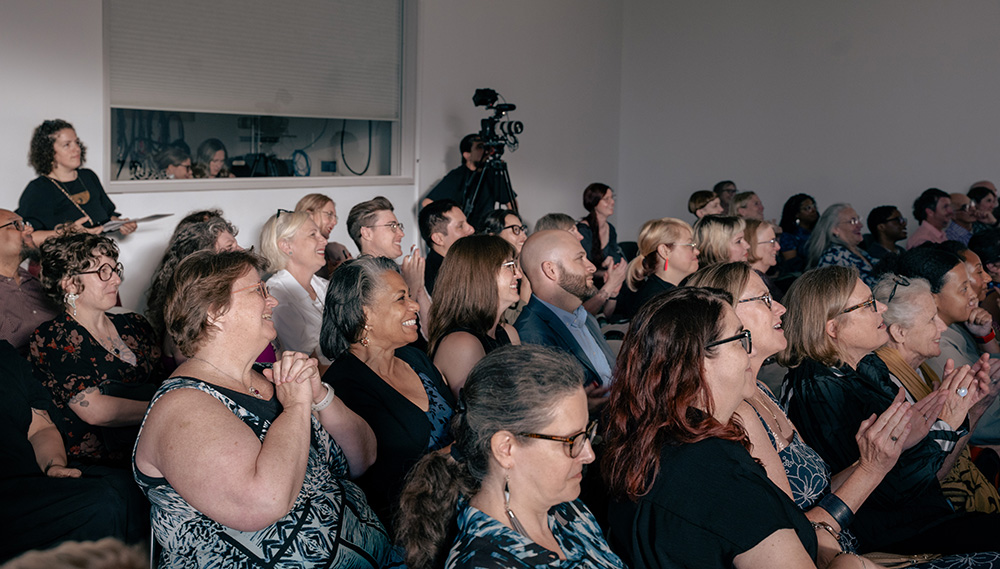
Photo by Jon Dahlin

Many of the 2026 ACC Award recipients were in attendance at this year's event.

Fieldwide Survey of Craft Nonprofits

Early survey results and next steps.

ACC launched a nationwide survey of craft nonprofits last summer, reaching out to organizational leaders to help illuminate the current state—and future—of the American craft ecosystem. Findings from this survey, many of which were discussed at American Craft Connects, point to areas that would benefit from deeper, formalized research going forward.

What the data so far suggest

Early survey results from respondents point toward a field that wants to move from individual organizational survival toward greater collective strength. Feedback falls into two main categories and includes:

Strengthening the craft ecosystem

Focus: economic sustainability, markets, and collective capacity.

  • Strengthen the economic foundation of craft. Increase funding for artists and organizations, build stronger reserves and endowments, support living wages, and create more sustainable career pathways for makers.
  • Build stronger markets for handmade work. Increase opportunities for people to discover, value, purchase, and live with craft while helping artists develop the skills and connections necessary to reach those audiences.
  • Act collectively as a field. Increase alignment among craft organizations to support advocacy, audience development, and other shared priorities, and potentially, shared infrastructure.

Expanding craft’s reach and relevance

Focus: audiences, visibility, everyday engagement, and public voice.

  • Grow and diversify audiences for craft. Reach beyond existing craft audiences, cultivate younger collectors and participants, increase national visibility, and make a stronger public case for why craft matters.
  • Make craft part of everyday life. Expand the presence of craft in education, communities, workplaces, public life, and the broader marketplace rather than treating it as a specialized or insular field.
  • Develop a stronger national voice for craft. Coordinate messaging, advocacy, research, and storytelling so that the field can communicate its economic, cultural, educational, and social value more effectively.

What’s next?

In an increasingly digital and automated world, the mind-hand connection and the human capacity to make are taking on new relevance and even urgency. As ACC looks to the future, we are listening to our community and hearing the need for greater connection, coordination, visibility, and access – toward the promise of collective action.

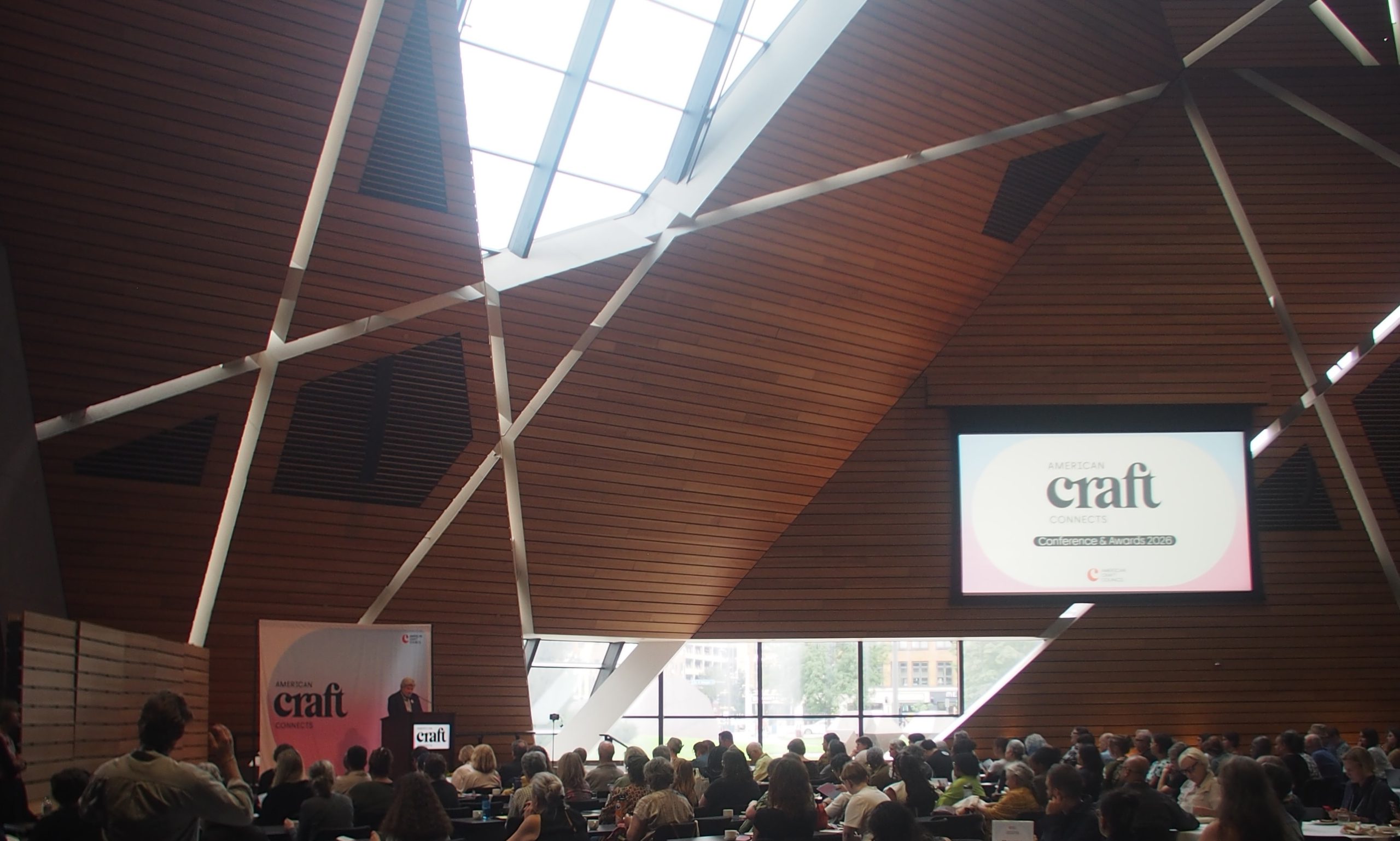
 

Photo by Jon Dahlin

ACC welcomed singer, cultural leader, and former Senior Advisor and Envoy for Cultural Exchange Carla Canales as closing speaker of American Craft Connects 2026.

Download the conference report

Download