Craft Around the Country

A Lakota Artist’s “Dream Gallery” Thrives in South Dakota

With intergenerational programming, space for exhibitions, and events for the Native community, Racing Magpie is a stalwart in Rapid City’s art scene.

By Jon Spayde
August 7, 2026

Photo courtesy of Racing Magpie

Members of the Lakota Sewing Circle work on a star quilt top. The Circle has been holding regular sessions at Racing Magpie since 2017.

“I always had a dream of a gallery in Rapid City,” says mary bordeaux (Sicangu/Oglala Lakota). “Just a small gallery where Native artists, especially Lakota artists, could exhibit contemporary art without the pressures of tourism or the Wild West and the romanticized view of Native people—which I call ‘long hair, feathers, and the sunset.’”

With her husband, Peter Strong, bordeaux co-founded her dream gallery, Racing Magpie, in 2015. 

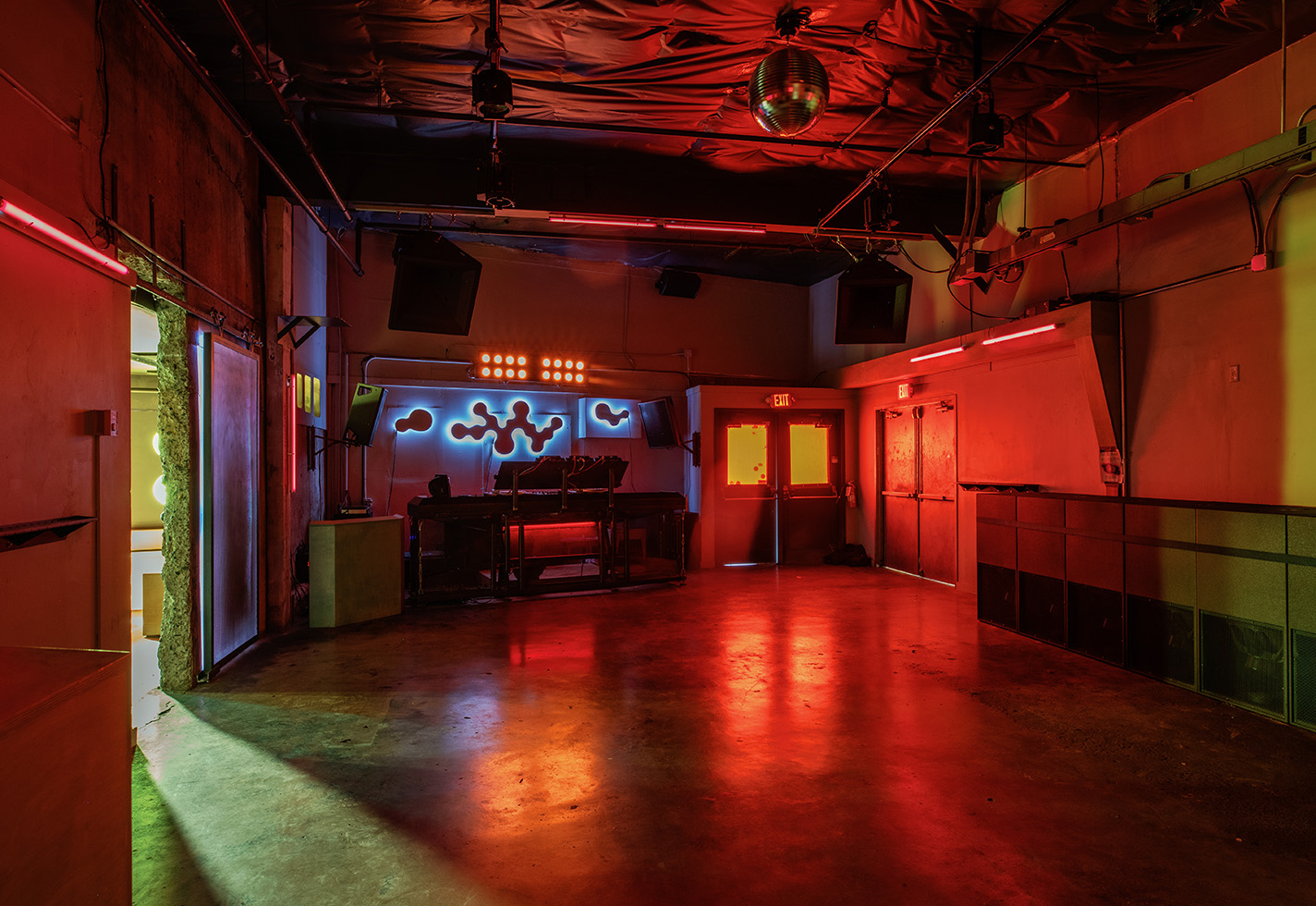
The couple, who both have backgrounds in museum studies, originally located Racing Magpie in a historic grain depot in the downtown area of Rapid City, the largest community in the Black Hills of western South Dakota. After a pandemic-driven downturn in attendance and a relaunch in 2021, it now occupies two buildings in a southeastern section of the city. 

Since Racing Magpie’s founding, it’s been a lot more than a gallery. Along with exhibiting art, it administers the Sinew Fund, a grant program for artists supported by the Andy Warhol Foundation; offers studios for local Native artists; and hosts an artist-led discussion series called  Winter Camp, rooted in the Indigenous tradition of using the long winter nights for storytelling that passes on tribal lore and wisdom to younger members. 

Photo courtesy of Racing Magpie

Exterior view of Racing Magpie, located in Mniluzahan, or Rapid City, South Dakota.

In addition, Racing Magpie offers consultation services for Native and non-Native institutions on Native-art issues and runs a unique residency that brings Lakota elders into the life of the center. The elders-in-residence program aims to work against the isolation that often afflicts older tribal members while benefitting artists and attendees with the cultural knowledge that these elders carry.

Rooted in traditional Lakota thought, Racing Magpie’s programming, which includes many other components as well, emphasizes bringing together Native—mostly Lakota—artists with members of the local Native community for mutual support and inspiration. And, following Native values, bordeaux and Strong reject any distinction between “fine art” and craft. “The lines between those two definitions are cloudy, to put it nicely,” says bordeaux. “Our goal is to support both artists and makers, and to support community—because art is so embedded in the community and in the culture.”

The center’s unusual name comes from a Lakota story: In the dawn of the world, the two-legged creatures (humans and birds) and the four-legged animals decided to run a race to see who would rule. The two-leggeds were represented by birds of many species. A young female bison, running for the four-legged community, took off at a gallop, outpacing the birds as they grew weary of flying. But one bird, the resourceful magpie, simply jumped on the back of the bison, and, as the finish line approached, flew ahead to win. 

“The founders of Racing Magpie chose this name and symbol,” says the center’s website, “because they hope their organization can act with the same wit, resourcefulness, and determination as the magpie in that story.”

Photo courtesy of Racing Magpie

Oglala Lakota poet and artist Layli Long Soldier participates in an interview with host Arlo Iron Cloud (Diné/Oglala Lakota) during a Winter Camp event at Racing Magpie

“Our goal is to support both artists and makers, and to support community—because art is so embedded in the community and in the culture.”

— mary bordeaux

The gallery’s current show is The Practice of Listening, Works of Cecil Apple, Sr., an exhibition of sculptural pieces and paintings by the late Oglala Lakota artist, who died in 2023. In painted wood, stone, and pipestone, the colorful works include elongated, standing Native figures in traditional dress, lively rodeo riders, basketball players, and a Native Christ on a cross. 

Ordinary Presence: The Everyday of Ikče, a Racing Magpie–created exhibition and part of Handwork 2026, has traveled to the Nicolaysen Art Museum in Casper, Wyoming, where it opened July 17. The works on display are rooted in the Lakota concept of ikče, which publicity for the show defines as “common, ordinary” but also “a way of being deeply tied to leadership, caregiving, accountability, and the ongoing work of cultural continuity.” 

A single gallery, set up to resemble a domestic room, presents works by Molina Two Bulls (Oglala Lakota), Graci Horne (Sisseton Wahpeton Dakota and Hunkpapa Lakota/Dakota), Layli Long Soldier (Oglala Lakota), Clementine Bordeaux (Sicangu Oglala Lakota), and bordeaux herself.

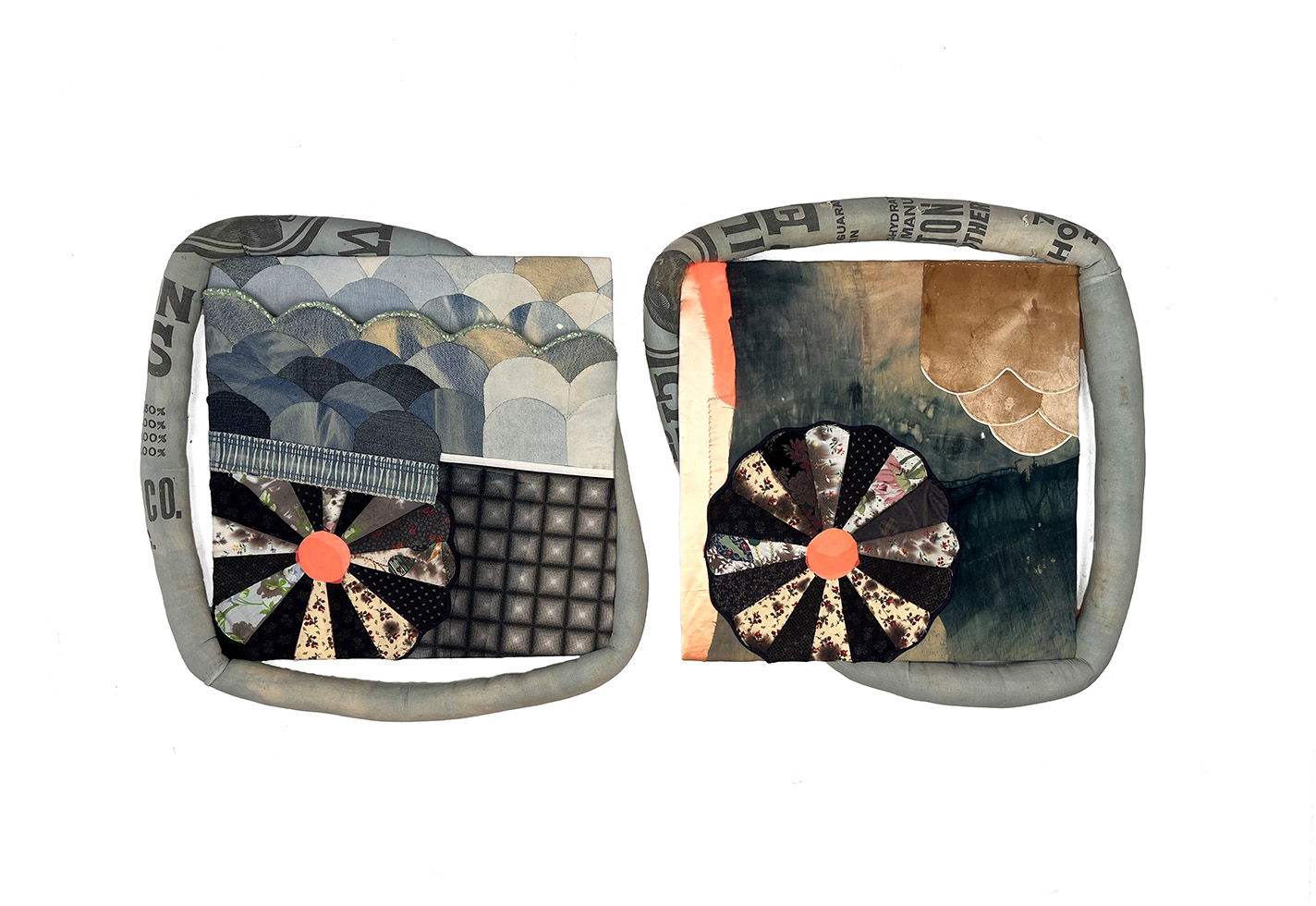
The works—which were all inspired by talks with, and stories gathered from, community members—include colorful wall hangings by Horne, wearable art by Clementine Bordeaux, a quilted domestic scene (called Grandma’s House) by Two Bulls, and an assemblage of moccasins by mary bordeaux, each one made for one of the exhibitors. The works evoke the everyday and domestic, but also transcend it in their liveliness and inventive vigor.

Photo courtesy of Racing Magpie

For Those In My Heart by mary v. bordeaux (Sicangu Oglala Lakota), part of an exhibition called Ordinary Presence: The Everyday of Ikčé.

Of all the culture-makers connected with the organization, though, the ones whose roles are most traditional are probably the two current elders-in-residence: Marlyce Miner, an educator and master gardener, and Dollie Red Elk, who retired from Oglala Lakota College on the Pine Ridge Reservation after many years as a teacher of the Lakota language. Miner brings her knowledge to the upkeep of Racing Magpie’s community garden, and Red Elk teaches an informal Lakota class every day at 1 p.m. 

But the women also visit. They come to see what’s happening at the art center and to simply be present and contribute what they know. 

“The idea of visiting is part of the culture and of building relationships, sharing ideas,” says Strong. “And who does it best? The elders. We’ve always had elders around with all of their knowledge, kind of coming and going, and we’ve noticed over the years that when there are elders there sharing, it just calms things down. It creates this intergenerational transfer of knowledge. Everything just becomes more… I don’t know, complete. More Lakota.”

Photo courtesy of Racing Magpie

Dwayne Wilcox (Oglala Lakota) during his interview for Racing Magpie's Heart of Art podcast, where established Native artists are interviewed by Native youth.

Jon Spayde is a writer and editor in Saint Paul, Minnesota. A former contributing editor to American Craft, he writes on art, psychology, education, and personal growth for a number of regional and national publications.

Check out Racing Magpie online.

Website Instagram

Before you go!

We believe that making creates a meaningful world, and we hope you do, too. Deeply researched and impactful journalism on the craft community is in short supply. At the same time, being featured in craft-centered media and articles can have a major effect on a maker’s or artist’s livelihood, particularly those who are just starting in their career. You can help support our mission and the work of makers around the country by becoming a member or by making a gift today.

Thank you!
American Craft Council