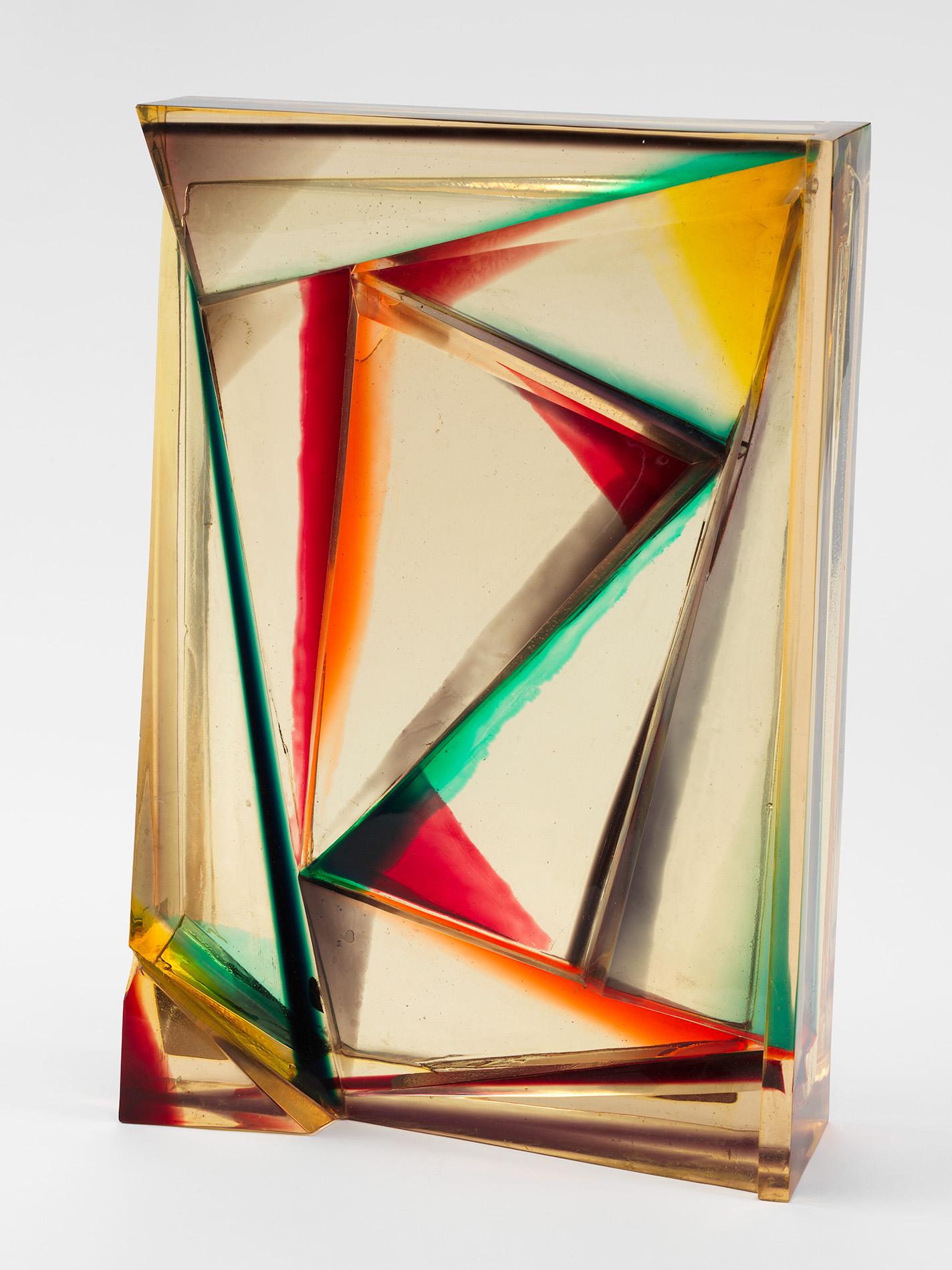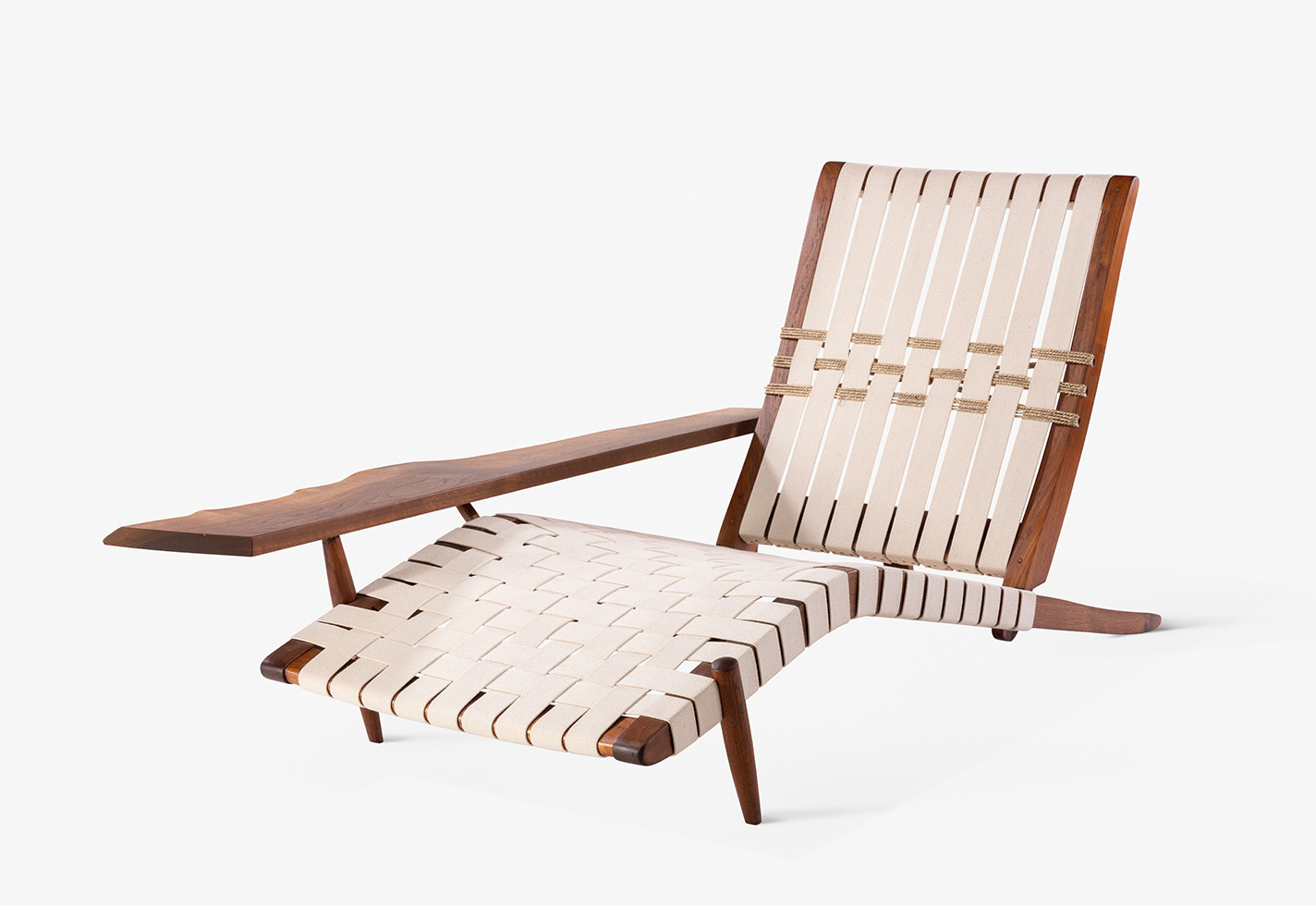
Japanese American artists created some of the most recognizable designs of America’s postwar aesthetic. Isamu Noguchi’s tables, George Nakashima’s chairs, and S. Neil Fujita’s cover art for Mario Puzo’s The Godfather became instant icons of midcentury design.
Yet so ubiquitous are these designs, so accepted and assimilated, that the historical forces shaping them are flattened into the broader story of midcentury modernism.
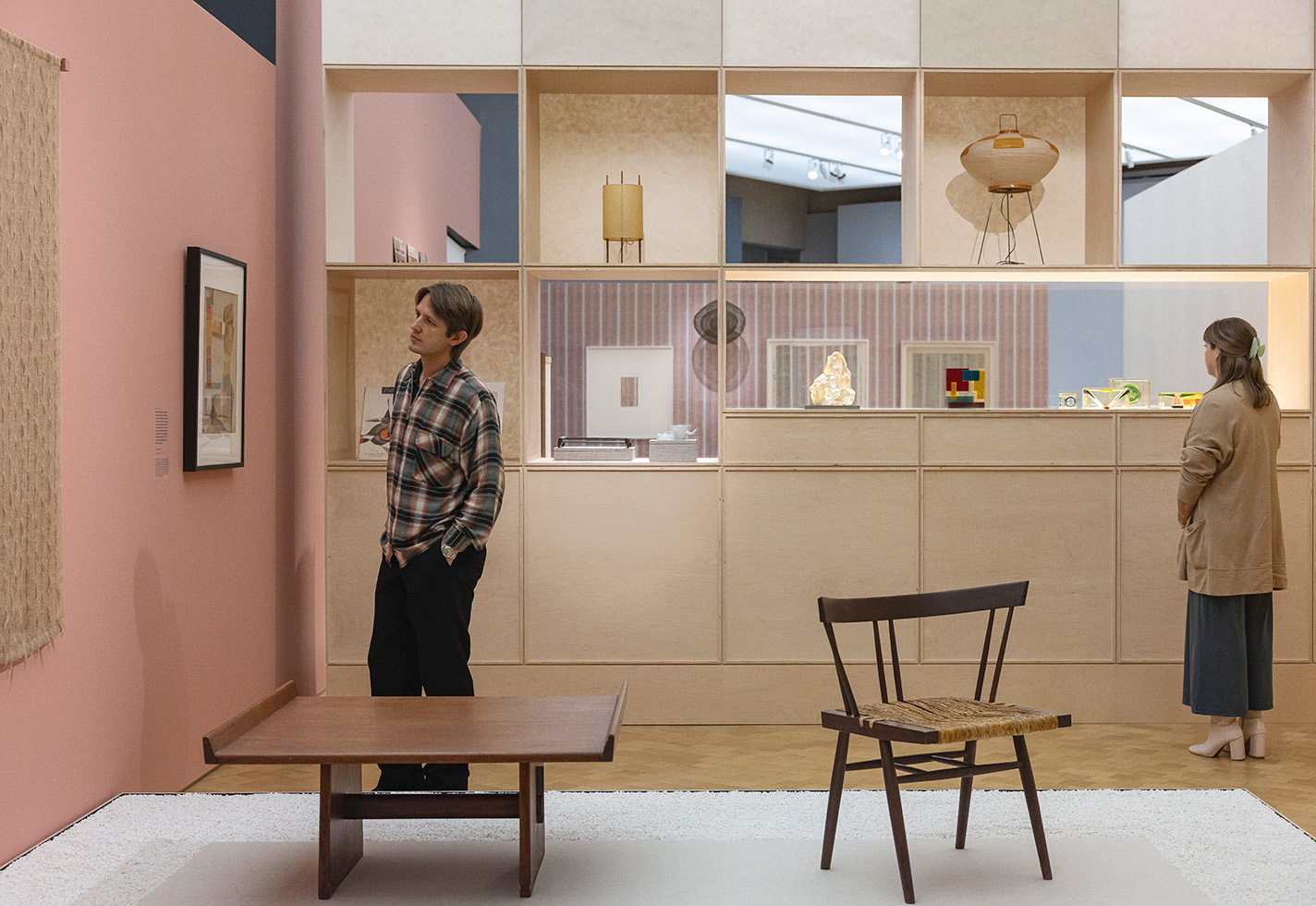
A new exhibition aims to remedy that. Noguchi to Asawa: Designing Postwar America, on view at the Barnes Foundation in Philadelphia through January 10, reexamines the lives and work of six Japanese American artists. In doing so, the show draws a direct line from displacement and internment during World War II to their postwar work.
Three of the featured artists—Noguchi, Nakashima, and sculptor Leo Amino—had established careers before the war. The younger three—Fujita, sculptor Ruth Asawa, and fiber artist Kay Sekimachi—were teenagers when they were interned in camps by the US government, where they took informal art classes.
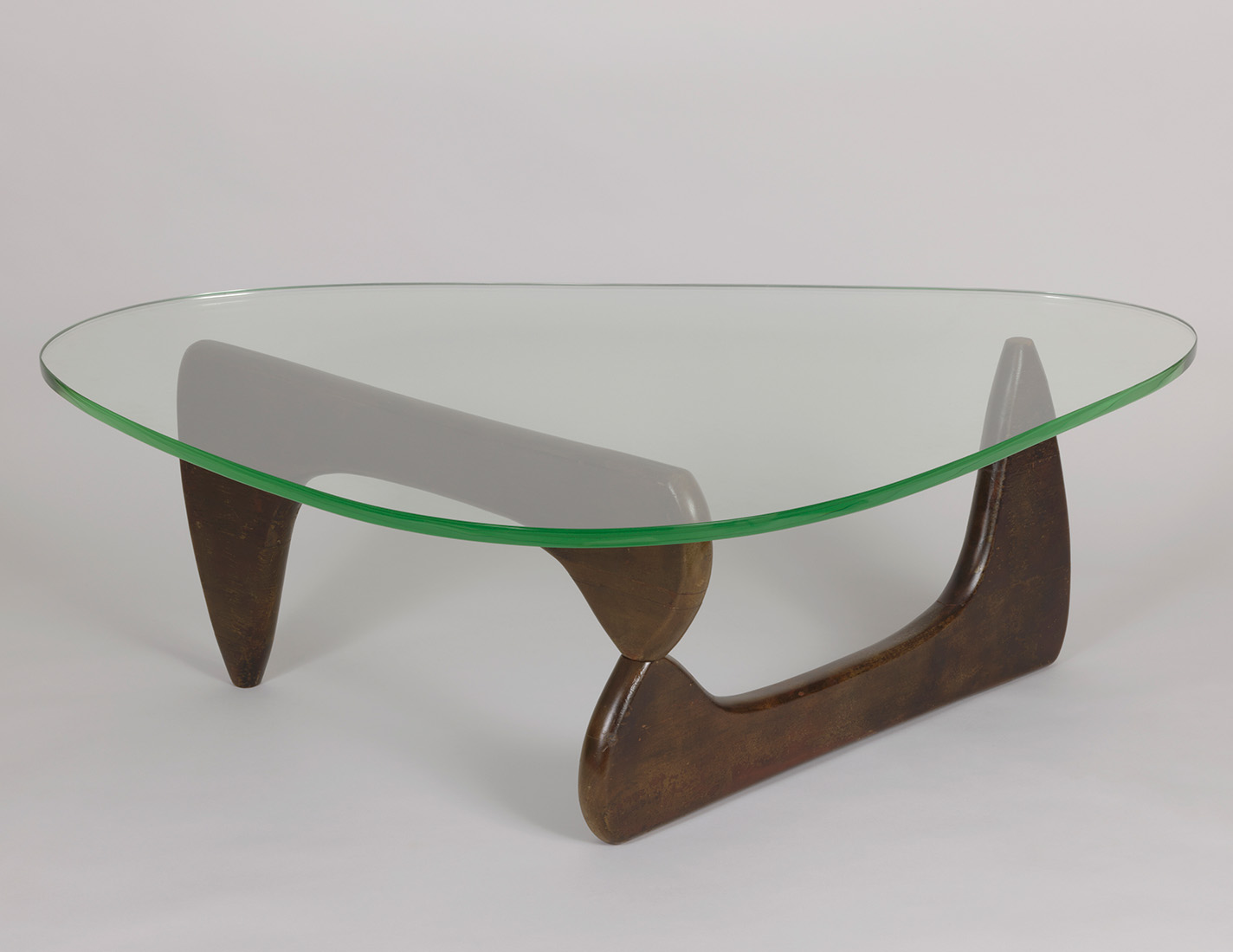
Isamu Noguchi, Model IN-50 Coffee Table, 1944, glass and birch, 15.5 x 50 x 36 in.