Craft Around the Country

An Important Craft Collection is Revived in a New Oregon Exhibition

Handmade Revolution: Craft in the Pacific Northwest, on view now at the Hallie Ford Museum of Art in Salem, showcases the museum’s acquisitions from the collection of the now-shuttered Museum of Contemporary Craft.

By Megan Gannon
July 8, 2026

Photo by Dale Peterson

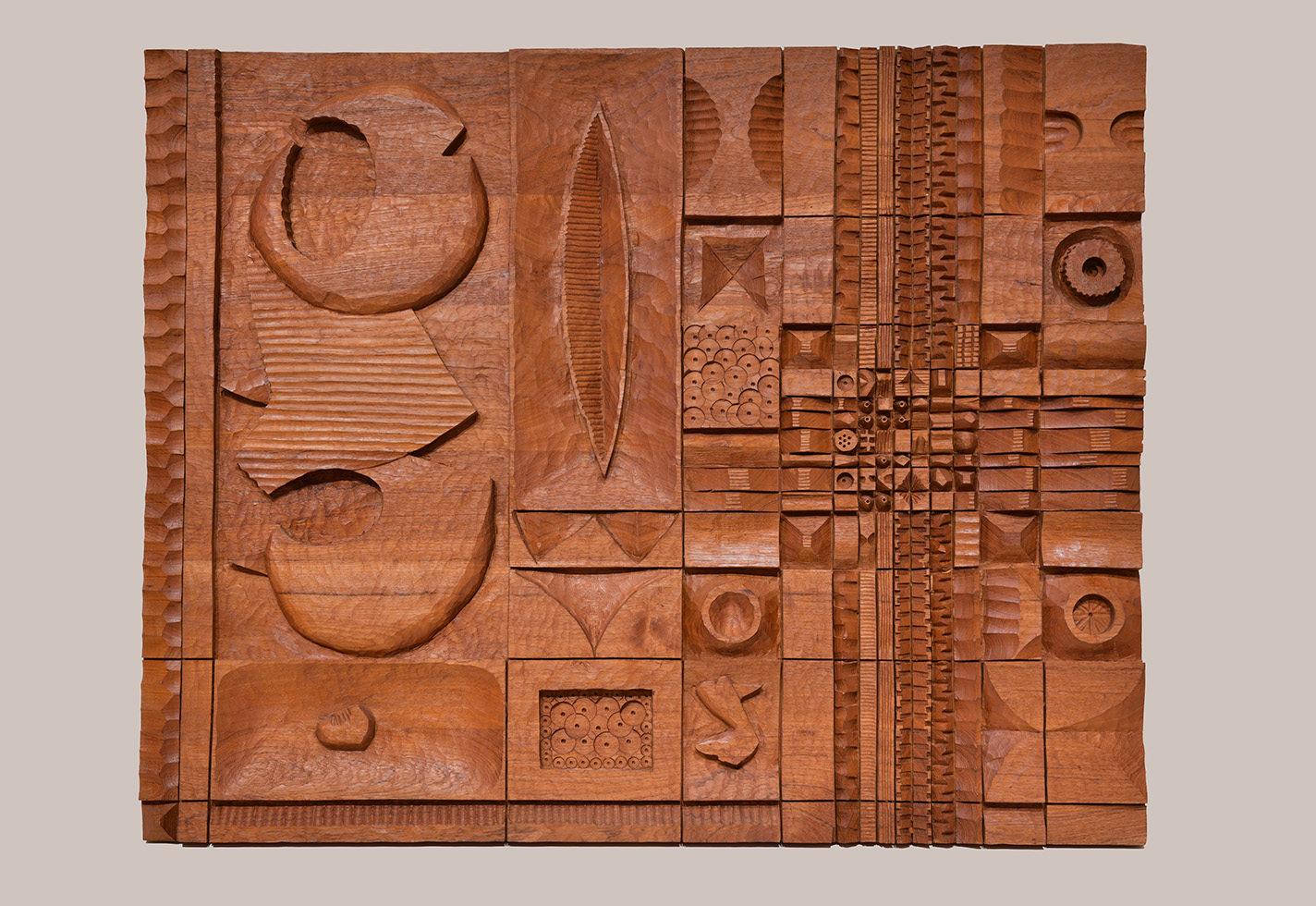
Legendary Portland woodcarver Leroy Setziol's 1980 untitled carving is on display in Handmade Revolution, 42.5 x 52.25 x 2 in.

The 2016 closure of the Museum of Contemporary Craft in Portland, Oregon, was a major blow to the region’s creative community. 

Founded in 1937 as the Oregon Ceramic Studio by a group of women volunteers to support regional artists during the Great Depression, it eventually grew into a museum in Portland’s Pearl District, housing a significant 1,300-object collection of mostly midcentury ceramics and offering Oregon’s craft community historical context for their work and a forum for new critical engagement.

Now, a decade later, dozens of objects from that collection can be viewed again at their new home 50 miles south of Portland. 

Handmade Revolution: Craft in the Pacific Northwest opened on June 13 at Willamette University’s Hallie Ford Museum of Art in Salem, Oregon. The museum, which had been collecting crafts from the region since its founding in 1998, took over stewardship of MoCC’s collection in 2021. Now, in this exhibition, the museum can present a more complete view of the history of the region’s craft traditions and techniques.

“Craft became a major new focus within our program, whereas it really hadn’t been that way before,” says Hallie Ford curator Jonathan Bucci. “We wanted to connect with the supporters of the [MoCC] and let them know that that material is here now, and we wanted to share it with everyone, since it had been in storage for many years at this point.”
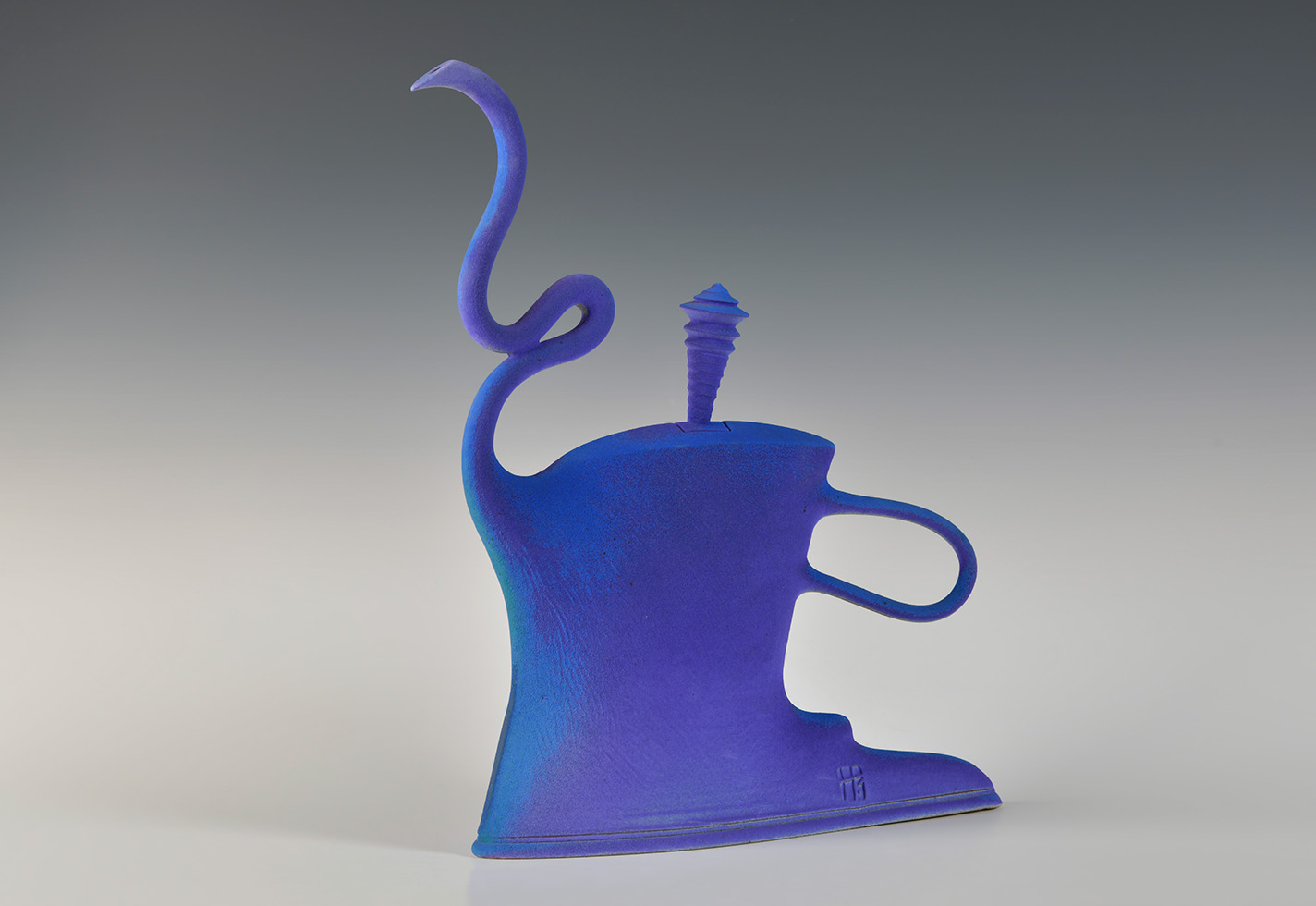
Photo by Dale Peterson

Patrick Horsley's stoneware Purple Teapot from 1998 won an award from the Oregon Potters Association and will be on display at the Hallie Ford Museum of Art, 20 x 16 x 4 in.

Drawing from the MoCC collection, Handmade Revolution traces developments in clay since the first half of the 20th century, when new ideas from the Bauhaus art and design school in Europe and the Mingei craft movement of Japan influenced the studio craft movement on the West Coast and new institutions like the Oregon Ceramic Studio and the Archie Bray Foundation in Montana sprouted up to support local artisans. 

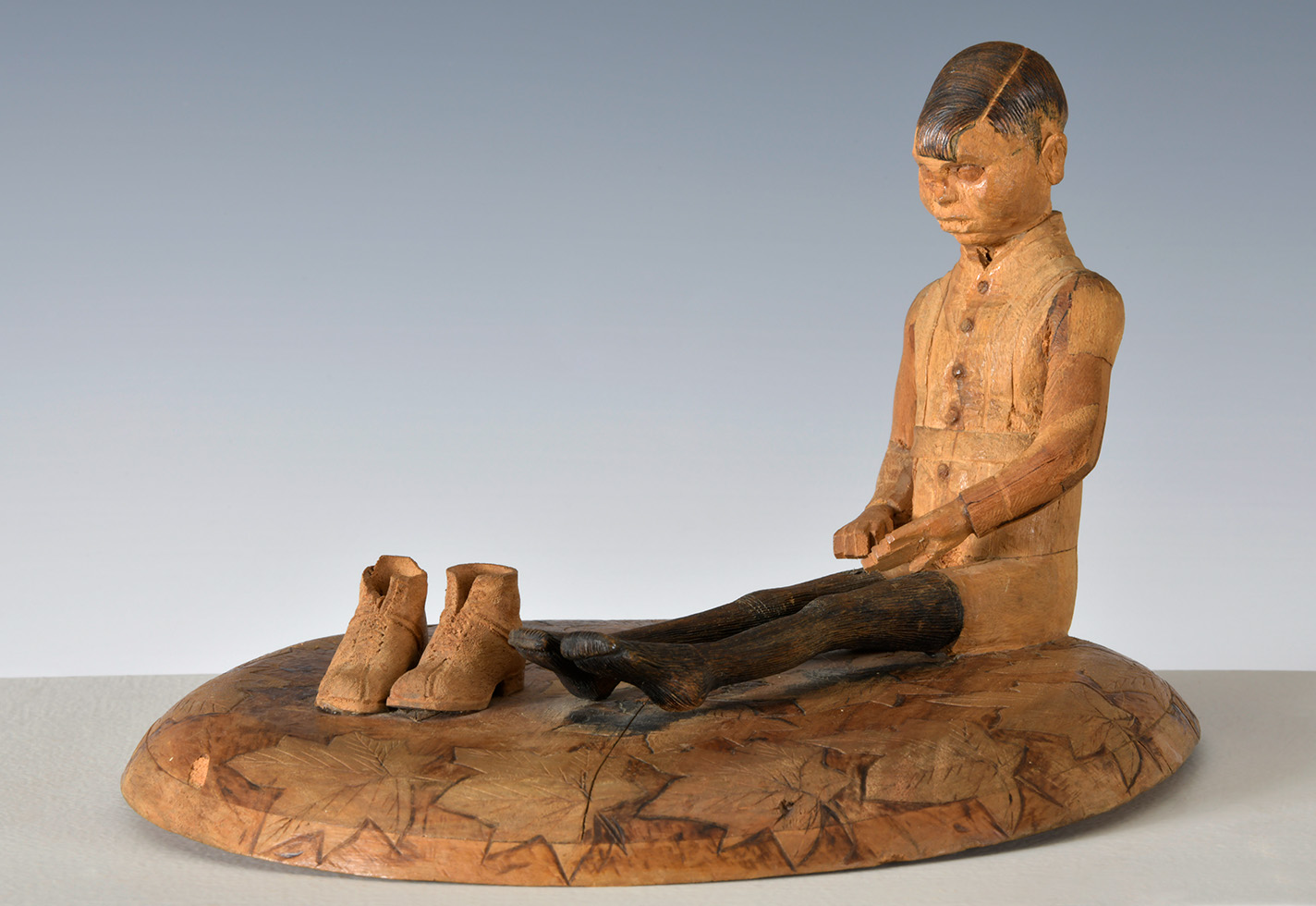
The show also highlights midcentury artists who worked with glass and wood, including Russell Childers, a self-taught carver who was institutionalized as a child because of his neurological differences and spent 39 years at the Oregon Fairview Home, a state facility for people with developmental disabilities in Salem. A moving 1978 autobiographical work by Childers in the show depicts him on the day that he was left at Fairview when he was ten years old.

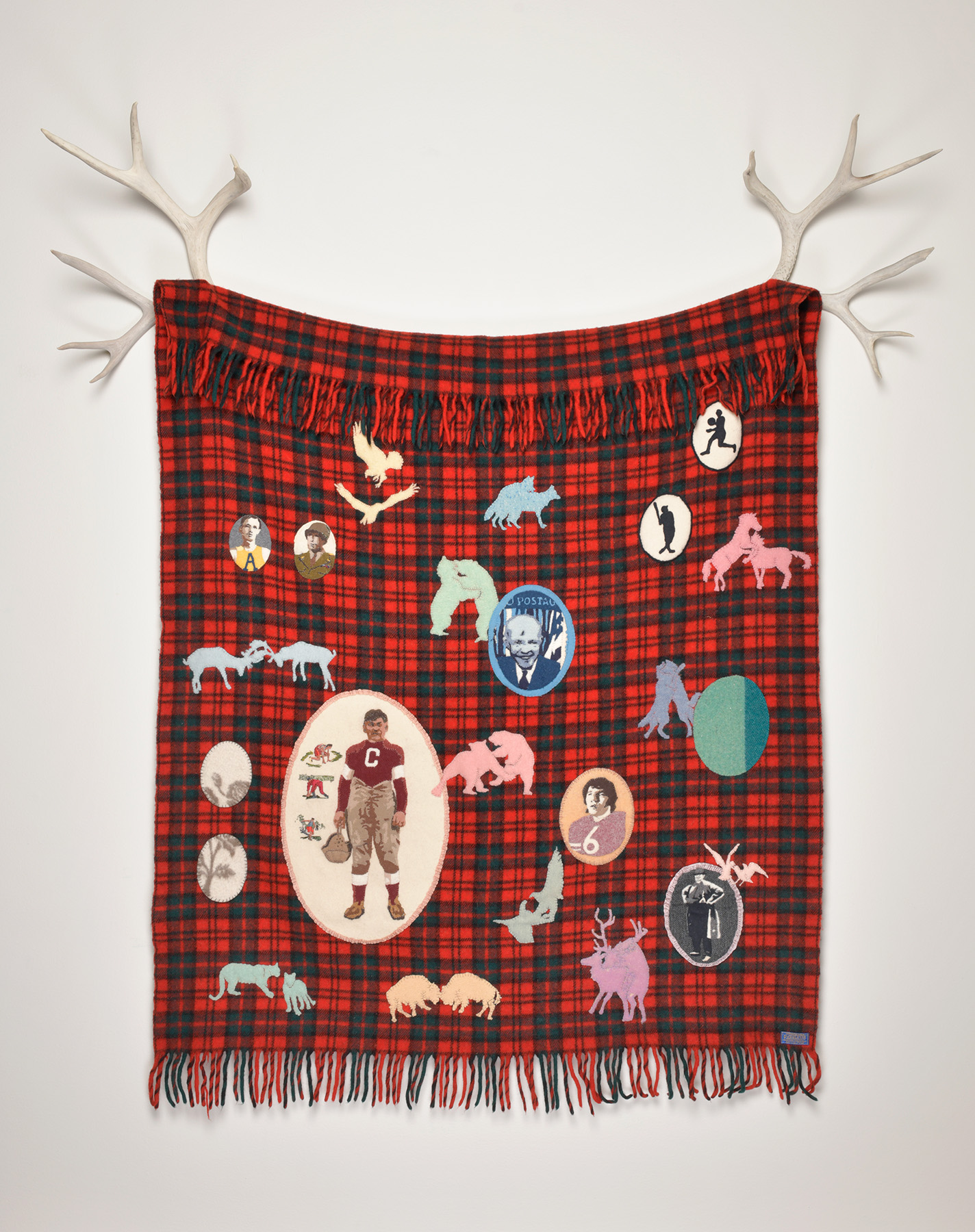
More recent acquisitions by the Hallie Ford Museum of Art help bring the exhibition to the present, with contemporary works that explore diverse approaches to other mediums. For example, a 2008 mixed media work by Marie Watt titled Stadium: Jim Thorpe and Relations has wool images of the Native American athlete sewn onto a Pendleton stadium blanket held up by antlers.

The show, which is organized in partnership with Handwork 2026, runs until March 13, 2027.

Photo by Dale Peterson

Seneca mixed-media artist Marie Watt made 2008's Stadium: Jim Thorpe and Relations from reclaimed wool blankets, a Pendleton stadium blanket, thread, and shedded antlers, 73 x 63 in.

Photo by Dale Peterson

Russell Childers's haunting works in wood, such as 1978's Boy with Shoes, reflect the years he spent living at the Oregon Fairview Home, a state facility for people with developmental disabilities, 6 x 7.25 x 9.25 in.

Megan Gannon is a writer and ceramist based in Seattle. She is a manager at Third Place Pottery, a community clay studio, and her journalism has appeared in National Geographic, High Country News, and Scientific American, among many other publications.

Learn more about the exhibition online.

Website

This article was made possible with support from the Windgate Foundation.

Before you go!

We believe that making creates a meaningful world, and we hope you do, too. Deeply researched and impactful journalism on the craft community is in short supply. At the same time, being featured in craft-centered media and articles can have a major effect on a maker’s or artist’s livelihood, particularly those who are just starting in their career. You can help support our mission and the work of makers around the country by becoming a member or by making a gift today.

Thank you!
American Craft Council