Craft Around the Country

Hawaiian Fiber Biennial Unites Textile Innovators in Honolulu

Fiber Hawaii, one of the Aloha State’s longest-running craft exhibitions, opens June 5.

By Jacqueline Huynh Young
May 29, 2026

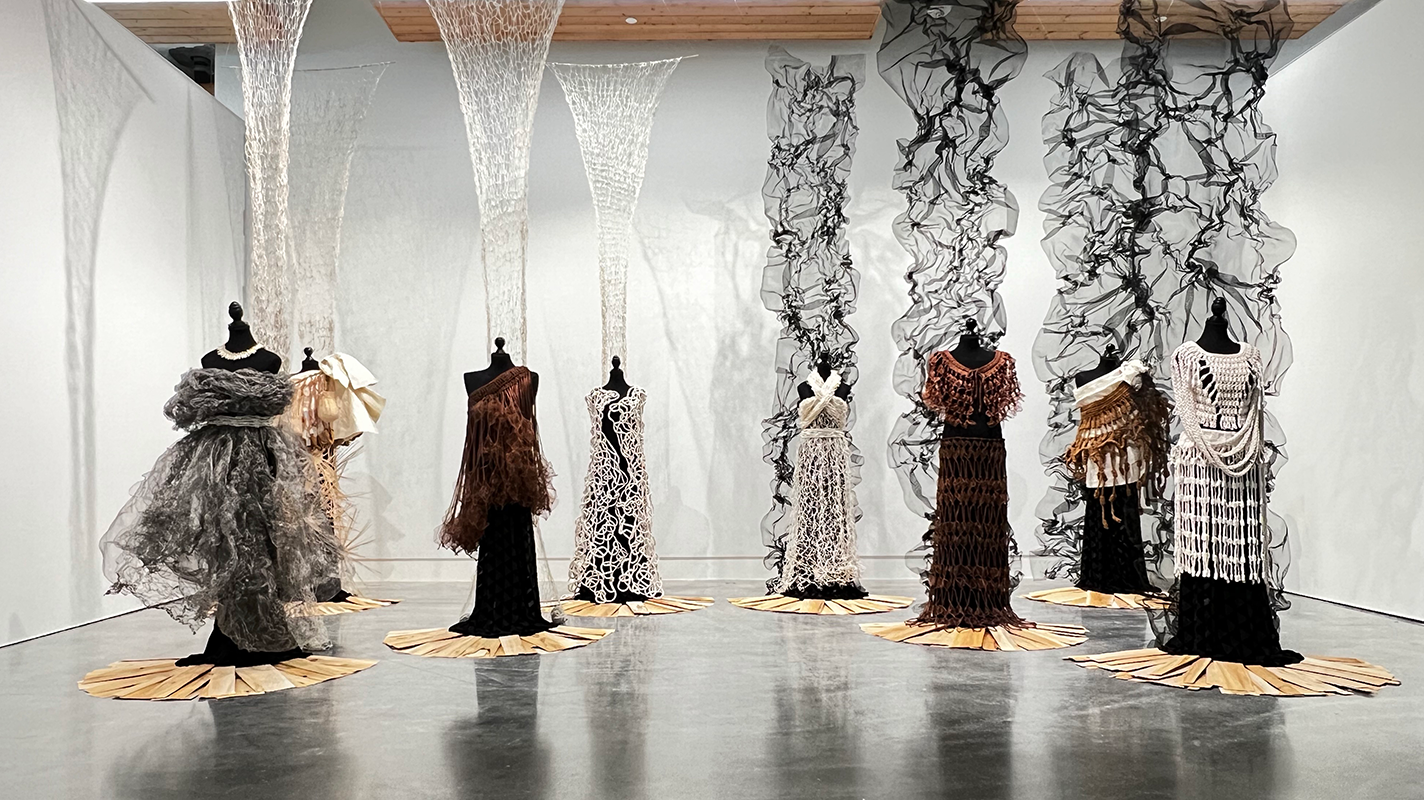
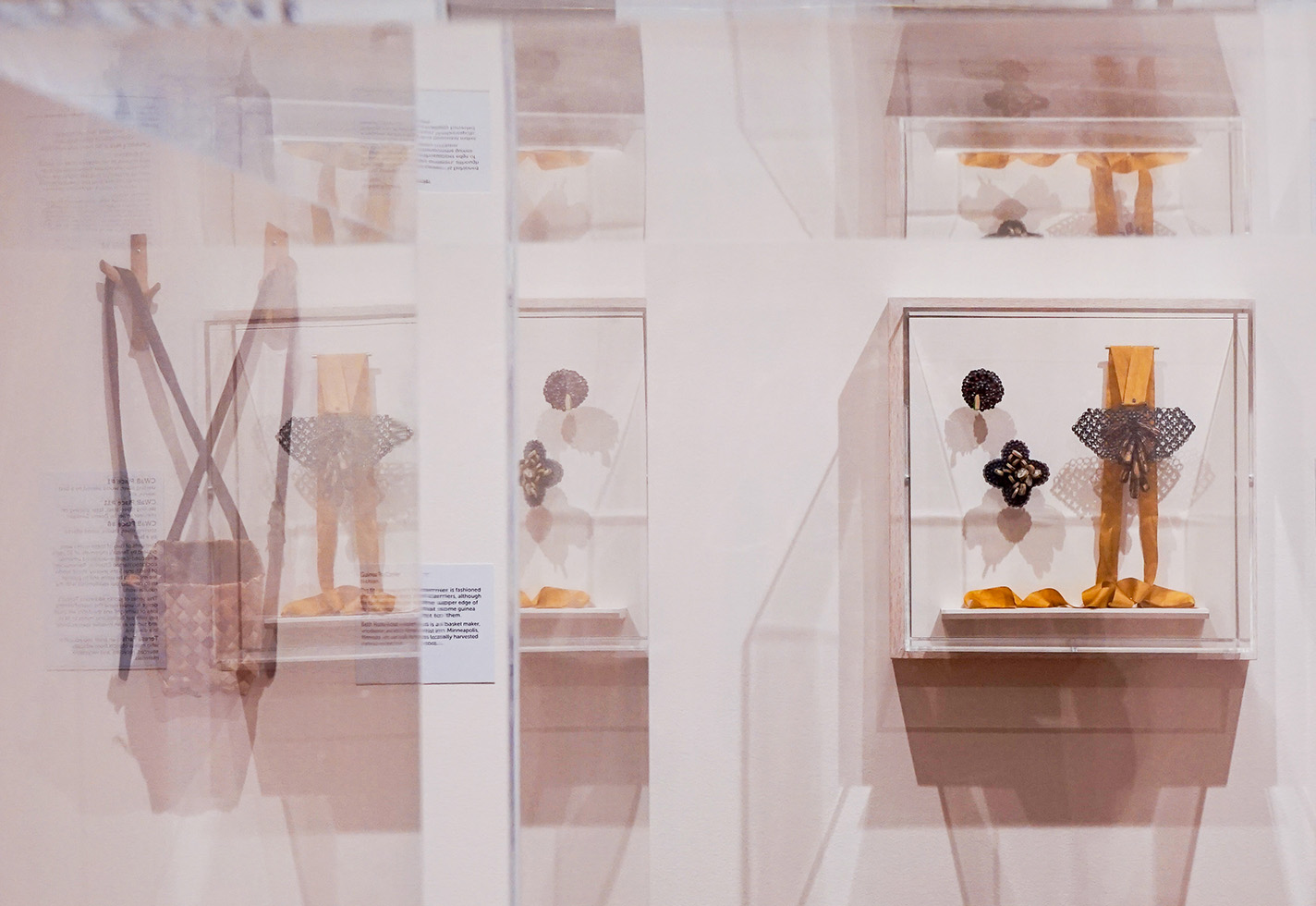
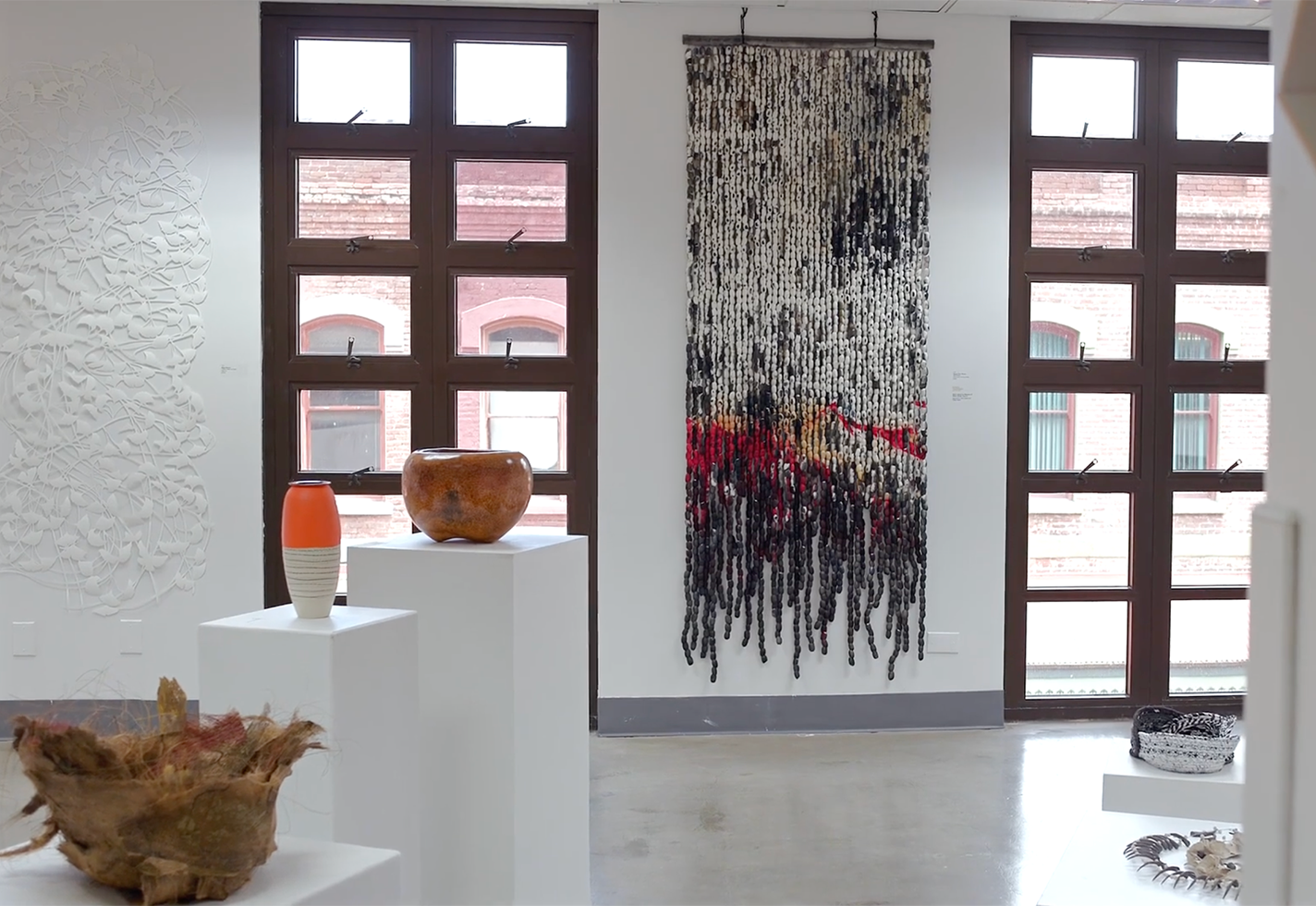
Photo courtesy of Hawai’i Craftsmen

An installation shot of Fiber Hawai‘i's 2024 iteration.

This year marks the 60th anniversary of Hawaii Craftsmen, the nonprofit behind some of Hawaii’s longest-running craft exhibitions. Among its most enduring programs is Fiber Hawaii, a biennial exhibition that will be on view this year June 5–27 at Downtown Art Center in Honolulu’s Chinatown.

Fiber artist Elizabeth Train launched the exhibition series in 1982 with Shore (Brenner) Lipsher, during a time when fiber was beginning to be taken seriously as art. Rather than focus on traditional weaving, Train invited artists across mediums to embrace what she calls a “fiber sensibility.” This approach led to works such as woven wood, wire twisted into textile-like forms, and glass stringers suspended like threads on a loom. “That, to me, was really exciting,” she says. “It pushed the medium a little bit, and it enticed other people to try something different.”

Since then, Fiber Hawaii has continued every other year, bringing in jurors from across the contemporary craft world, including figures affiliated with American Craft Council such as the late Paul J. Smith and former Craft Horizons editor-in-chief Rose Slivka. This year’s exhibition will be judged by Native Hawaiian fiber artist Marques Hanalei Marzan, cultural advisor and the Wayne Pitluck and Judith Pyle Curator for Cultural Resilience at the Bishop Museum in Honolulu.
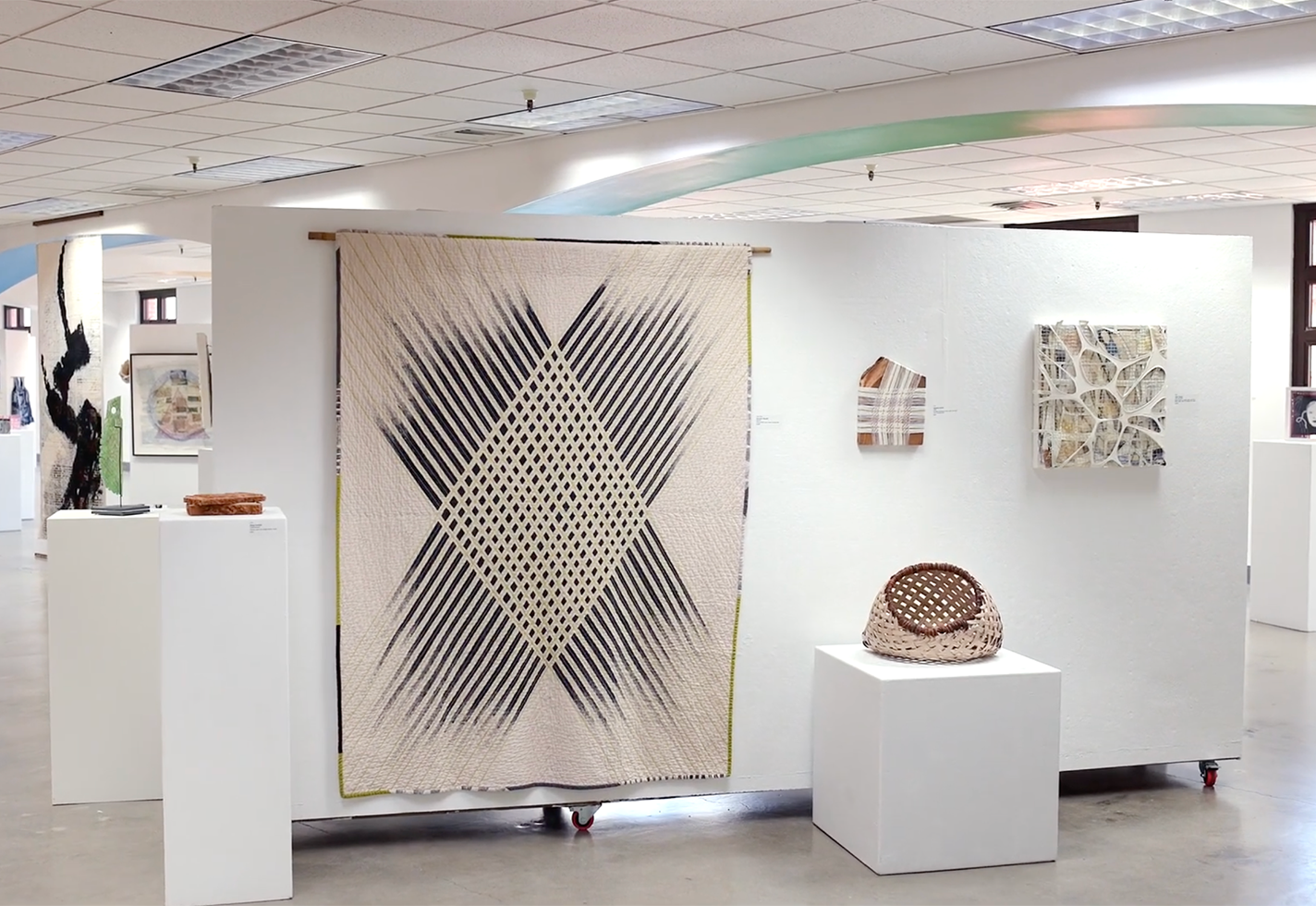
Photo courtesy of Hawai’i Craftsmen

An installation shot of Fiber Hawai‘i's 2024 iteration.

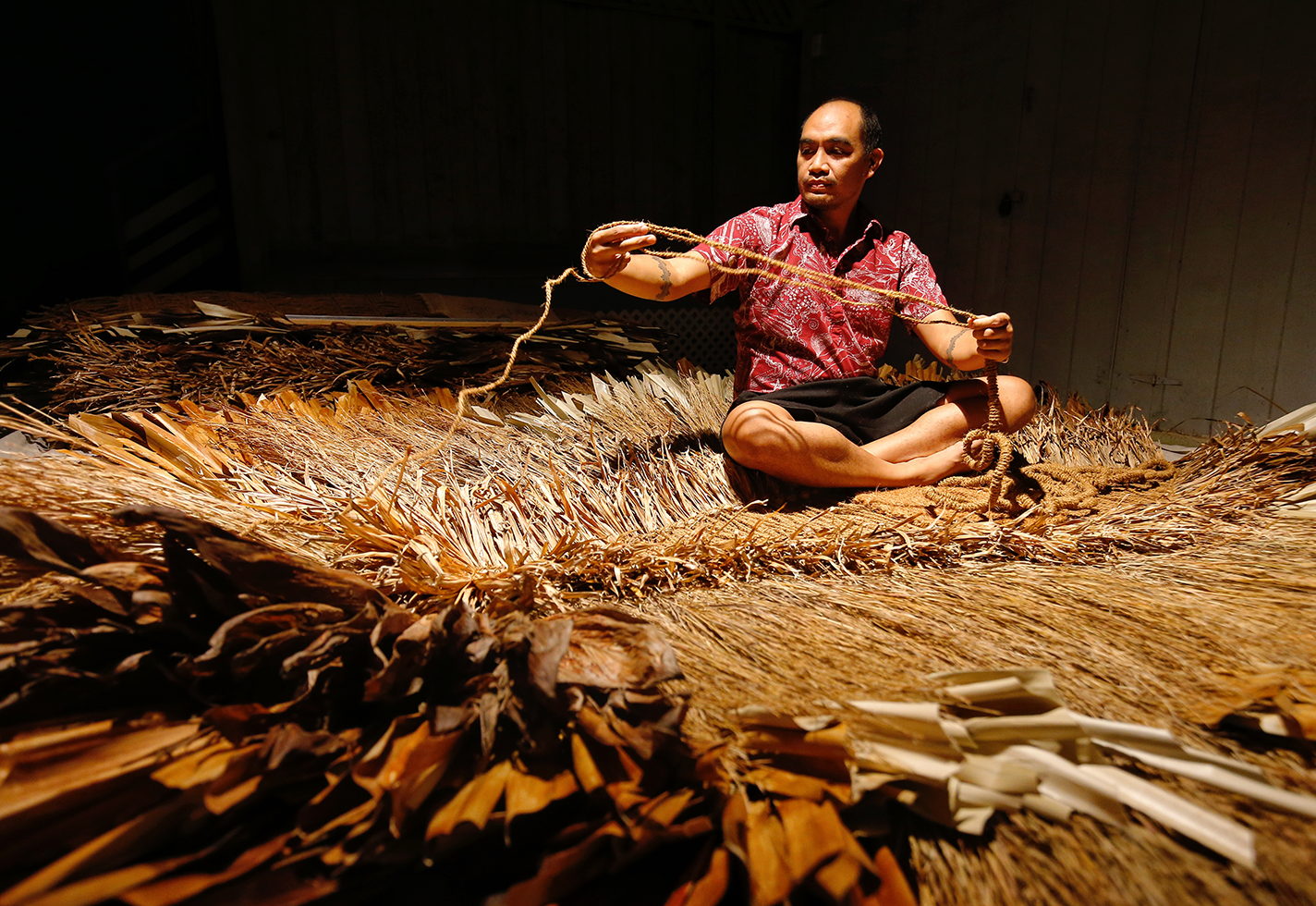
Marzan’s own practice is grounded in the natural fiber materials found across Hawaii, such as dried pandanus leaves for weaving hats and fans, and ʻIeʻie, the aerial roots of a climbing vine used in twine basketry. For Marzan, working with these materials is an integral part of his life. “It calms me down,” he says. “It’s something I need as part of my daily living.” He can often be found walking through parks braiding cordage, an instinctive practice honed through decades of repetition and guidance from teachers who emphasized sustainable harvesting and attentiveness to the land.

A focus on both tradition and experimentation will guide Marzan’s approach to judging. He’s interested in work that reawakens older methods and histories while reshaping them through contemporary making: “Things that push the conversation into a modern context of space and story, but still have a means to tie back to some earlier form or material or technique,” he says.

Learn more about select artists from this region of the United States on the Homo Faber Guide.

Photo by Jordan Fong

Marques Hanalei Marzan will judge the 2026 exhibition. His own artistic practice includes working with natural fiber materials found across Hawai‘i, such as dried pandanus leaves for weaving hats and fans, and ʻIeʻie, the aerial roots of a climbing vine used in twine basketry.

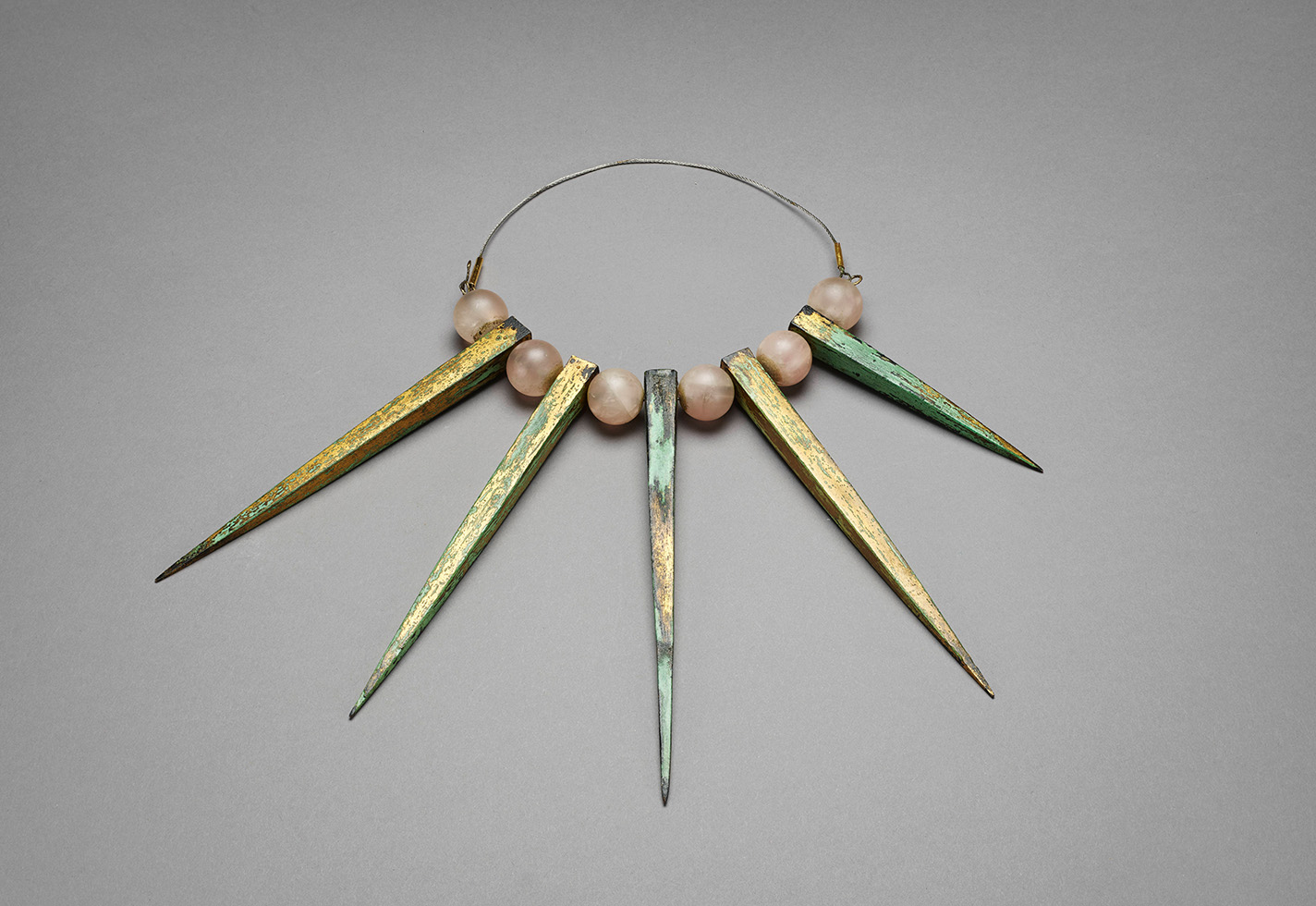
Photo by Marques Hanalei Marzan

Marques Hanalei Marzan, Creation: From a Hawaiian Viewpoint, 2024, mixed media, 156 x 300 x 150 in.

Jacqueline Huynh Young is a Vietnamese American artist and writer based in Los Angeles.

Learn more about Hawai‘i Craftsmen and its programs online.

Website

This article was made possible with support from the Windgate Foundation.

Before you go!

We believe that making creates a meaningful world, and we hope you do, too. Deeply researched and impactful journalism on the craft community is in short supply. At the same time, being featured in craft-centered media and articles can have a major effect on a maker’s or artist’s livelihood, particularly those who are just starting in their career. You can help support our mission and the work of makers around the country by becoming a member or by making a gift today.

Thank you!
American Craft Council