News

In Memoriam: Paul J. Stankard

The American Craft Council mourns the pioneering glass artist, who passed away last month at the age of 83.

By Bruce W. Pepich
November 9, 2026

Photo courtesy of American Craft Council Institutional Archives, Center for Craft Community Archives and Special Collections, Asheville, North Carolina

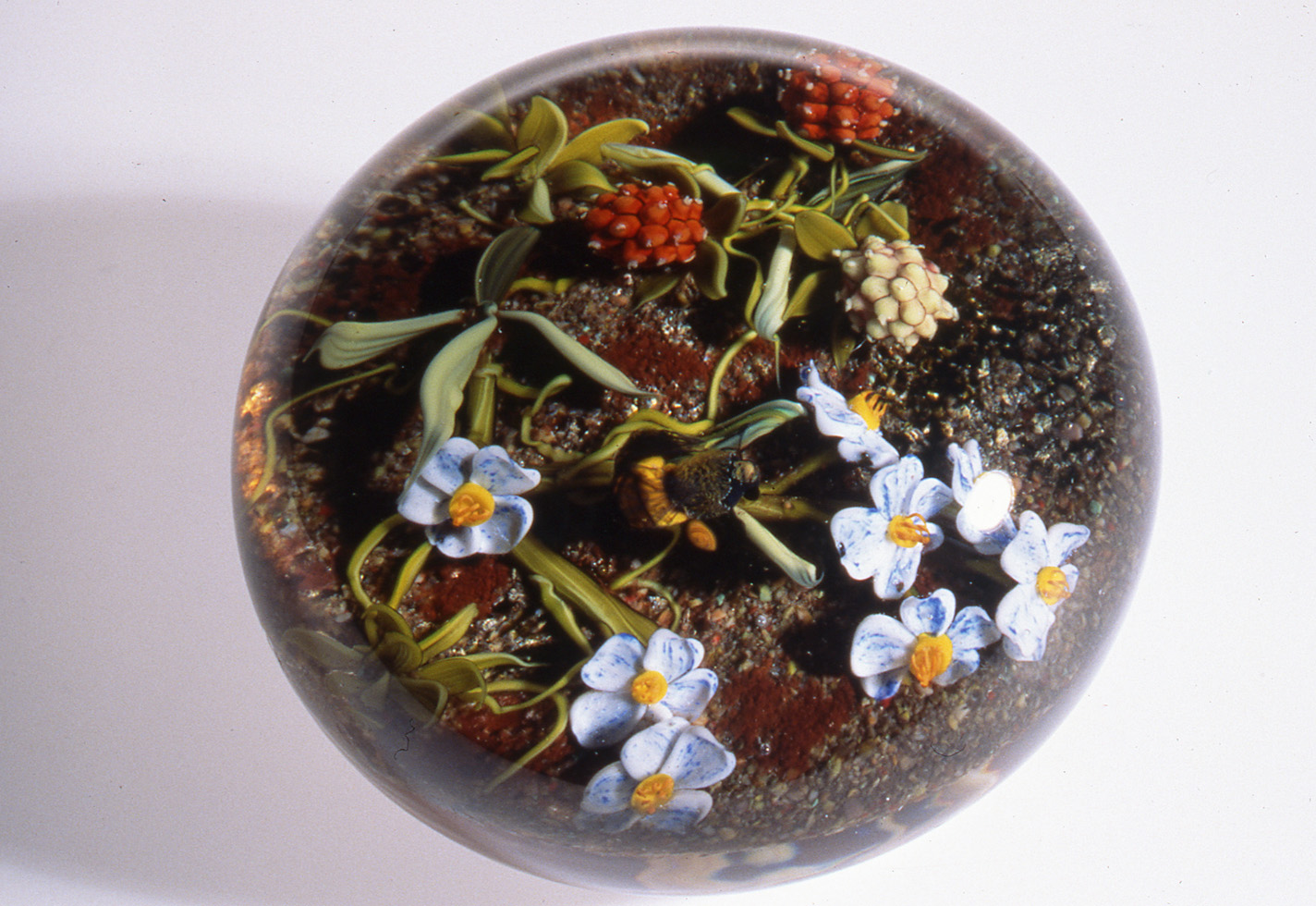
Paul Stankard's glass paperweights, such as this one from 1986, contain elaborate recreations of plants and flowers.

Glass artist and American Craft Council Fellow Paul J. Stankard died in New Jersey on October 6 at the age of 83. He was known internationally for his paperweights and miniature sculptures that brought major advancements to glass art and exposed wider audiences to the artform.

Stankard was born in North Attleboro, Massachusetts, in 1943. He was dyslexic and experienced challenges in school during his youth. His father, a chemist, encouraged him to enroll in a scientific-glassblowing program offered by a local trade school. Stankard spent his early career fabricating complex glass instruments for chemists. 

In his spare time, Stankard taught himself how to use a torch to form glass animals, which he sold at craft fairs. He also loved making paperweights; he sold his first one in 1971. From his youth, Stankard spent a great deal of time outdoors, observing plants and insects in their natural environments. The paperweights that he created depicted native flowers in glass, a result of his own investigations of nature. In 1972, he stopped producing commercial objects for scientific research and began making paperweights as a full-time artist. By the mid-1970s, Stankard had developed an established studio practice. He always pushed himself to expand his technical proficiency and aesthetic concepts by continuing to confront material challenges.
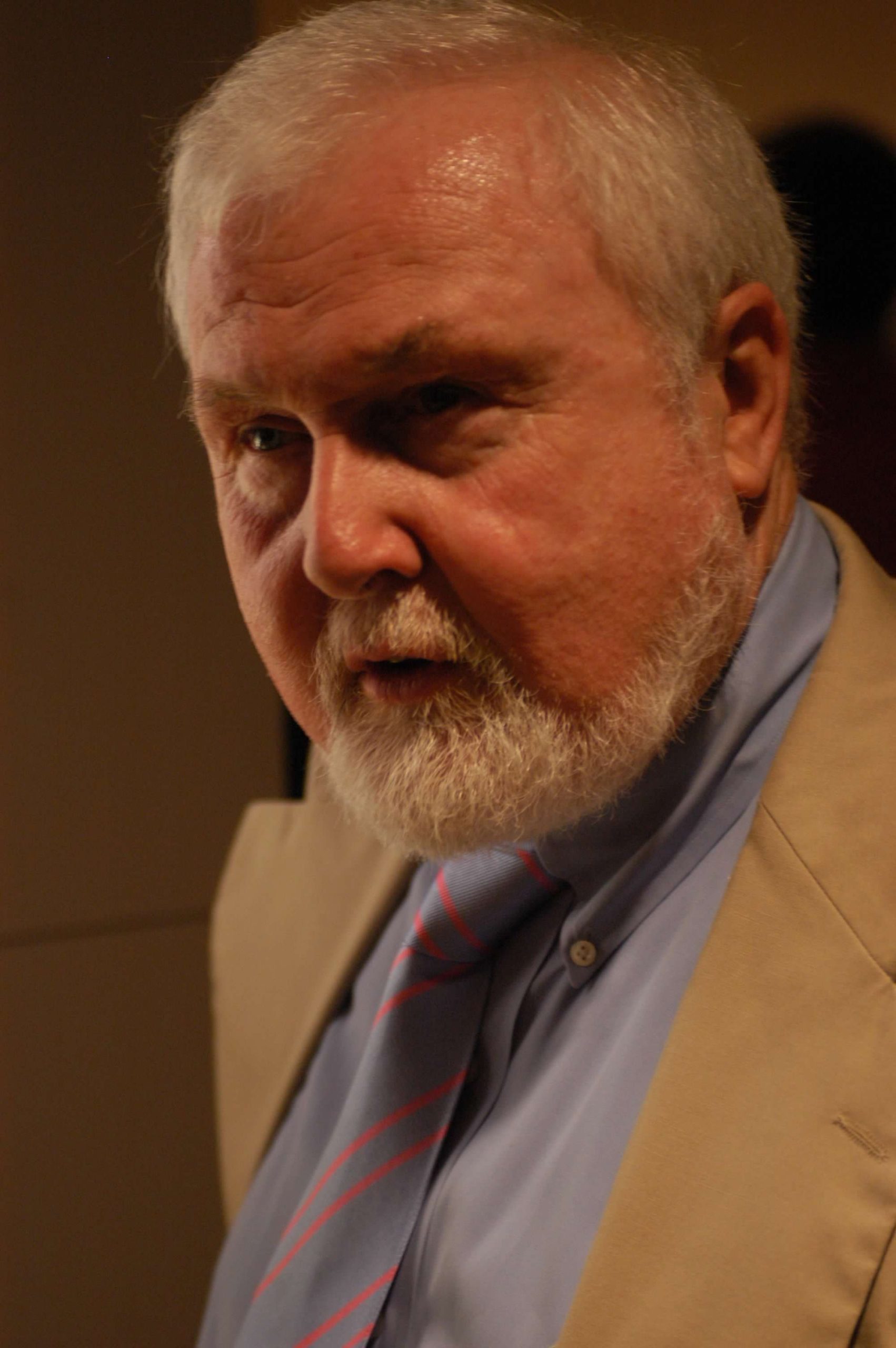
Photo courtesy of the artist

Paul J. Stankard.

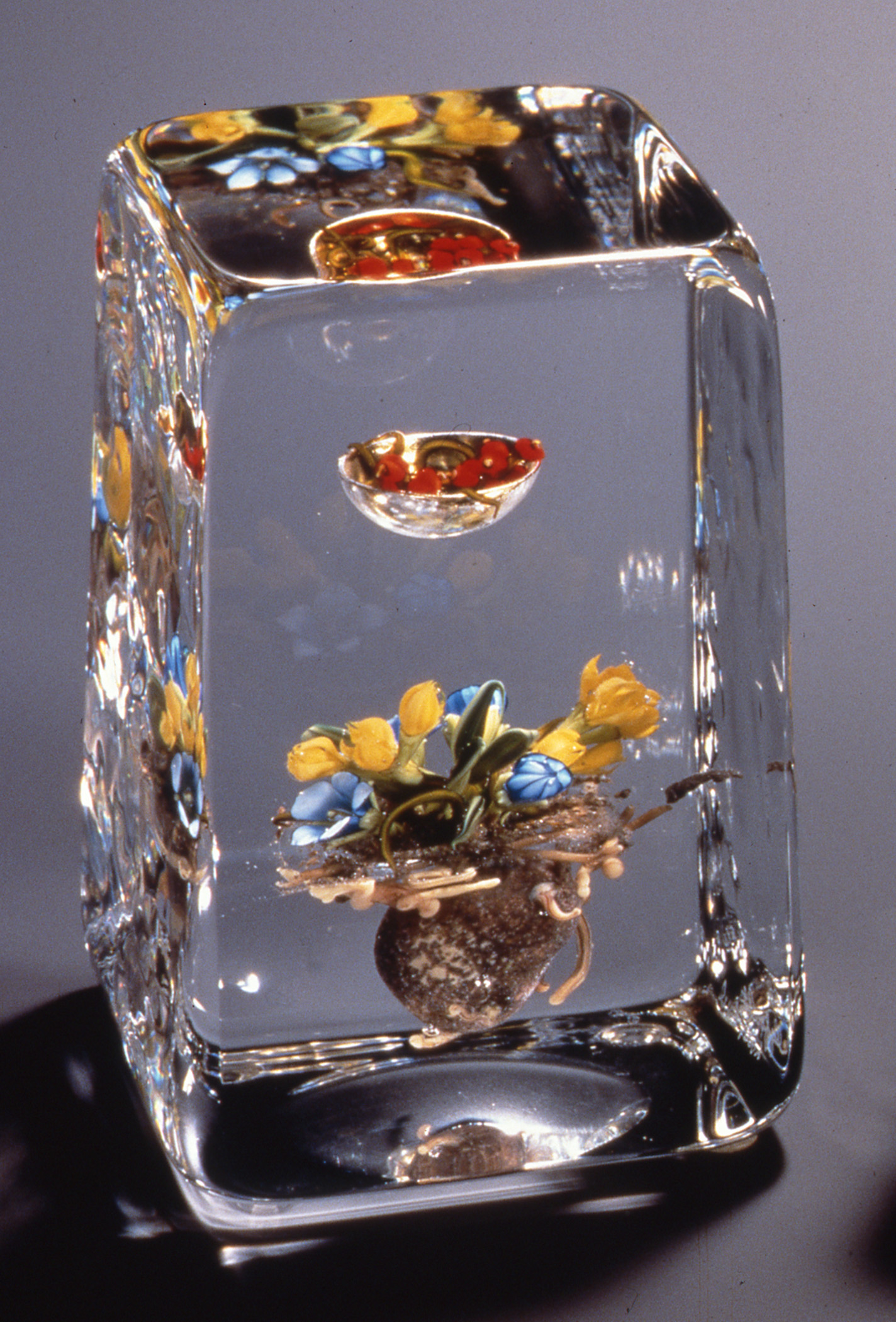
In the 1980s, he began to make larger-scale works in tall rectangular formats. This increase in size and change in shape allowed Stankard to expand the size and complexity of the  “specimens” he produced. He was able to depict larger groupings of flowers, with increasingly elaborate designs that included insects and the root systems of his plant subjects. These investigations continued through the rest of his career with pieces that suggested stunning poetic selections of scientific samples. 

Stankard was a master of manipulating glass by fashioning minutely scaled elements into larger compositions with the aid of a torch. His works gave the impression that he had plucked entire plants—from flowers to roots—from the earth. It was so realistic that some viewers, upon seeing it for the first time, would ask how the artist managed to place real flowers inside his pieces. In this way, Stankard referenced the paintings of 19th-century American trompe l’oeil artists and mimicked 1970s photorealism and the contemporary hyperrealism movement in painting and sculpture. 

Stankard often paid as much attention to the plant’s root system as to its flowers, reminding the viewer of how much of its structure—and life—takes place underground. He frequently injected “root people” into his compositions. While looking at the tubers below, the viewer suddenly comes upon humanlike figures, cavorting below the surface. In this way, Stankard could also be considered a magical realist who depicted everyday reality infused with subtle, uncanny dreamlike elements such as frolicking humanoid tubers or a bee that hovers slightly too long over a bouquet. 

Photo by Jason Swisher, courtesy of Wikimedia Commons

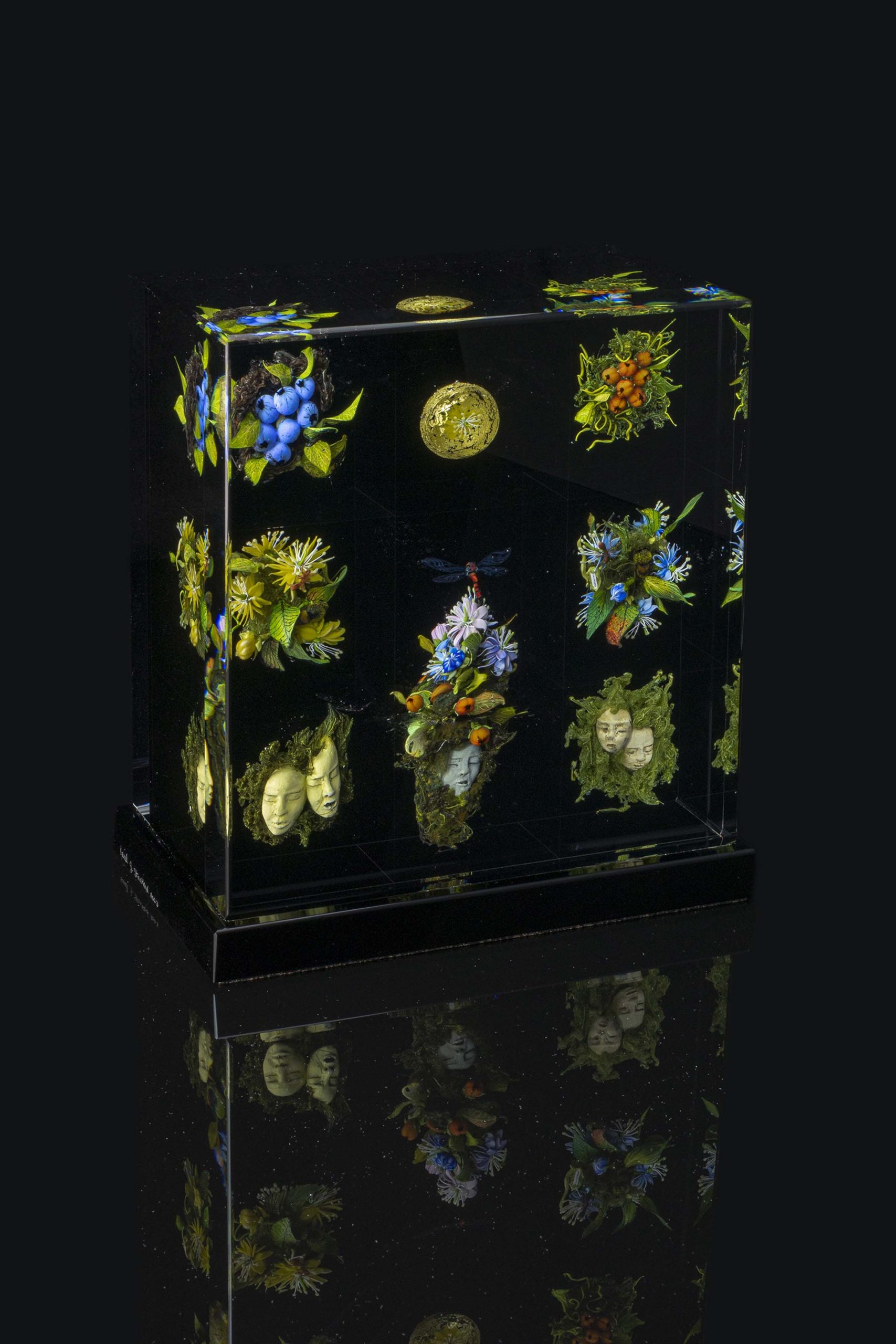
Golden Orb with Flowers and Apparitions, from the Assemblage series, 2003. This piece is a part of the collection at the Fort Wayne Museum of Art in Indiana.

In addition to being inducted into the ACC’s College of Fellows in 2000, Stankard received the Glass Art Society’s Lifetime Achievement Award and the Masters of the Medium Award from the James Renwick Alliance. His pieces are represented in the permanent collections of more than 75 museums around the world including the Art Institute of Chicago, the Museum of Fine Arts, Boston, the Cleveland Museum of Art, the Corning Museum of Glass, the Metropolitan Museum of Art, New York, the Museum of Arts and Design, the Renwick Gallery of the Smithsonian American Art Museum, the Toledo Museum of Art, and the Victoria and Albert Museum, London. His life and career were featured in the documentary Paul J. Stankard: Flower & Form, which received a Regional Emmy Award. Stankard was also a prolific writer who published four books on craft, art, and the creative process.

Stankard was known for his warmth, kindness, and the meaningful longterm personal and professional relationships he had with a very large circle of friends and colleagues. Students, fellow artists, and collectors all became part of his extended family. He was known as a mentor, teacher, and pioneer who helped others develop their own pieces and ideas. While creating a large body of work over more than 50 years, he blended an impressive level of aesthetic and technical achievements with an evident love of his subject matter. These combined efforts—a skilled hand working together with a discerning eye and an open heart—readily connect the viewer with the spirituality Stankard found in observing the natural world.

Photo courtesy of American Craft Council Institutional Archives, Center for Craft Community Archives and Special Collections, Asheville, North Carolina

Earth Clump with a Golden Bowl, 1989, glass.

Bruce W. Pepich is the founding director emeritus of the Racine Art Museum in Wisconsin and a member of the American Craft Council’s board of trustees.

Visit Paul J. Stankard's website.

Website

Before you go!

We believe that making creates a meaningful world, and we hope you do, too. Deeply researched and impactful journalism on the craft community is in short supply. At the same time, being featured in craft-centered media and articles can have a major effect on a maker’s or artist’s livelihood, particularly those who are just starting in their career. You can help support our mission and the work of makers around the country by becoming a member or by making a gift today.

Thank you!
American Craft Council