Craft Around the Country

In Oregon's Wine Country, Local Trees Become Barrels for Wine and Spirits

Rick DeFerrari, founder of McMinnville-based Oregon Barrel Works, harnesses the unique properties of Oregon oak into expertly made barrels.

By Megan Gannon
October 19, 2026

Photo by J.D. McLelland

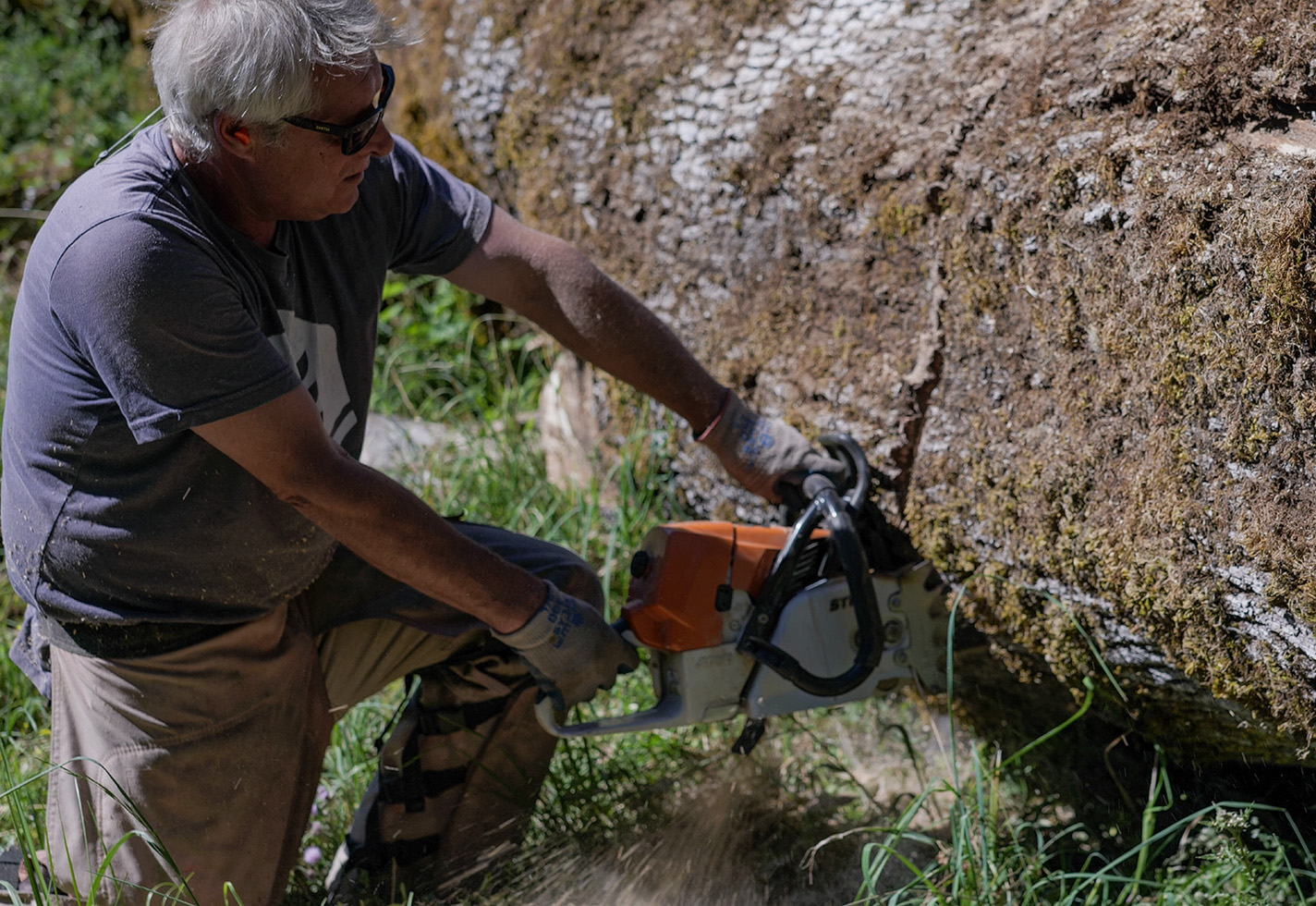
Oregon Barrel Works founder Rick DeFerrari visits the woods about once a week, working with landowners and selecting logs of Oregon oak to turn into barrels for aging wine and spirits.

In the early 1990s, as he traveled across Europe, Rick DeFerrari hoped to end up on a Greek beach. 

He never made it. The young Oregon State graduate—with a degree in forestry and engineering and an interest in the wine industry—visited a storied French cooperage in Burgundy, where he got offered an apprenticeship and took it. After 18 months, he came back to Oregon with a business partner and a new trade. 

Now, Oregon Barrel Works, the company DeFerrari heads in McMinnville, a hub of Oregon’s robust wine industry, supplies winemakers and spirit makers with custom barrels made from Oregon white oak.  

“Oregon oak is kind of this oddball,” DeFerrari explains. The wood lacks many of the organic compounds that give American oak their coconut and dill flavors. And though it imparts flavors closer to those from a French oak, the subtler, gold-standard material used to age many wines, it’s still a “pretty impactful” barrel that lends itself well to aging bold varieties like Chardonnay and Syrah.
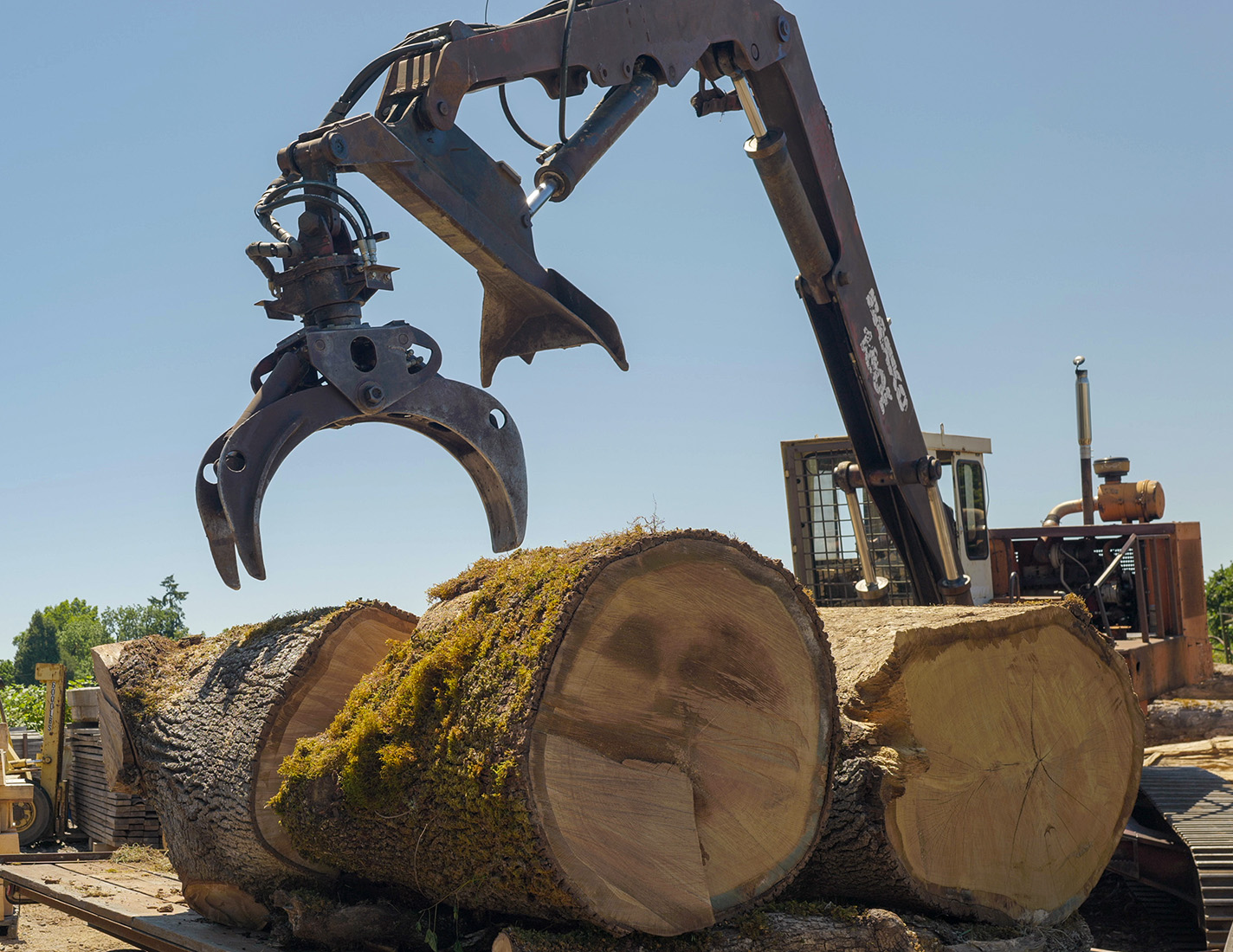
Photo by J.D. McLelland

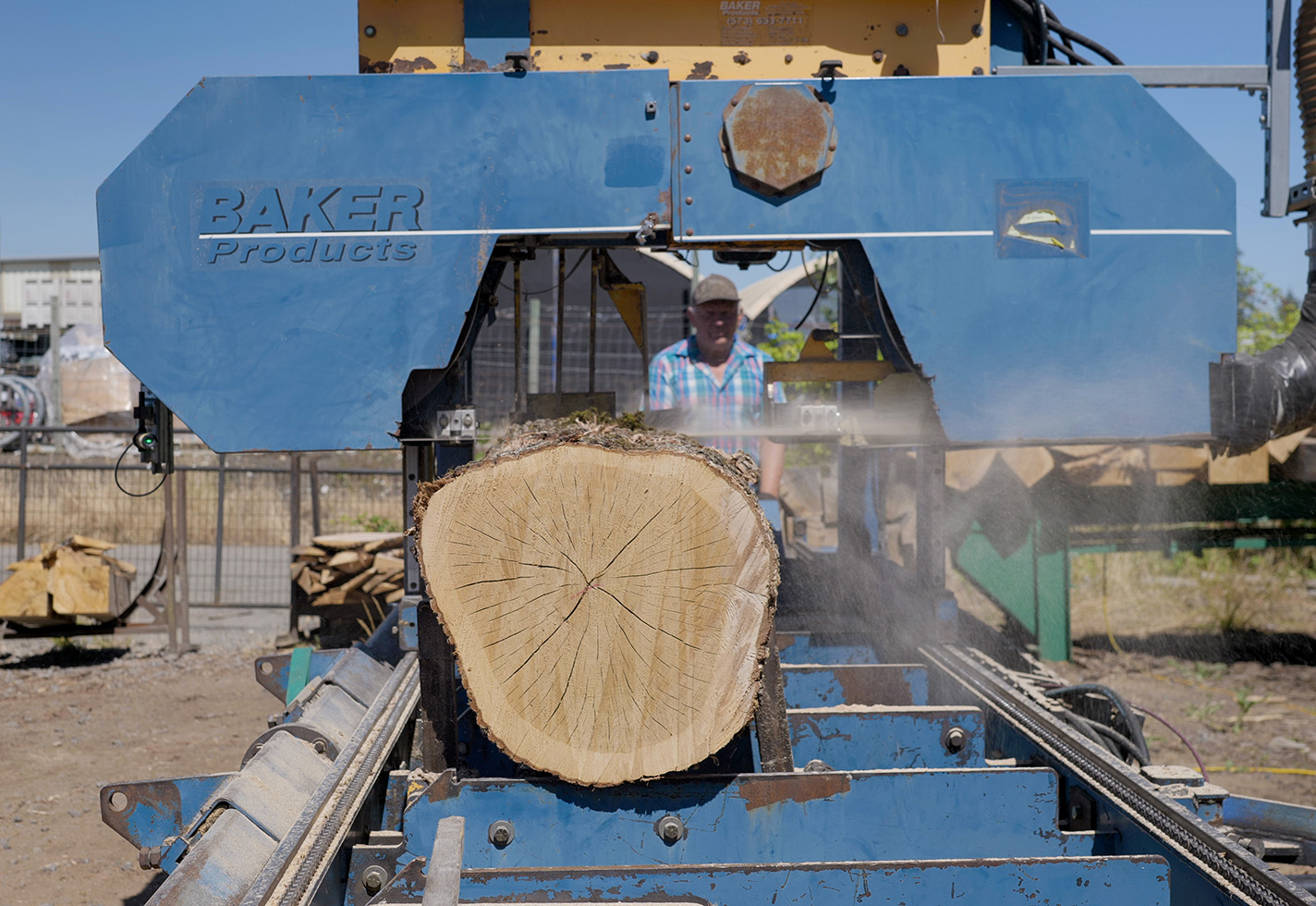
An Oregon oak log, soon to be turned into staves for barrels.

  • Photos by J.D. McLelland

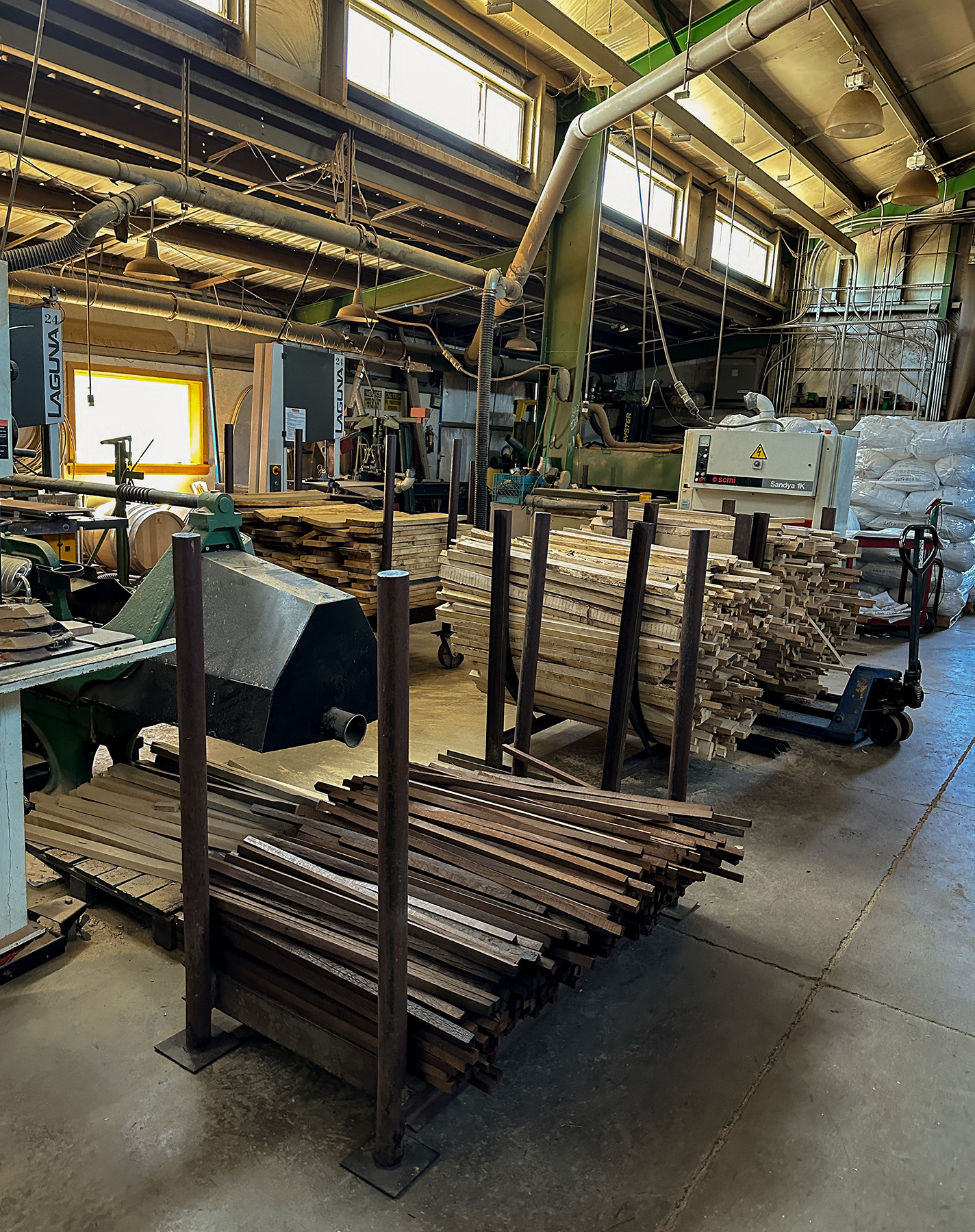
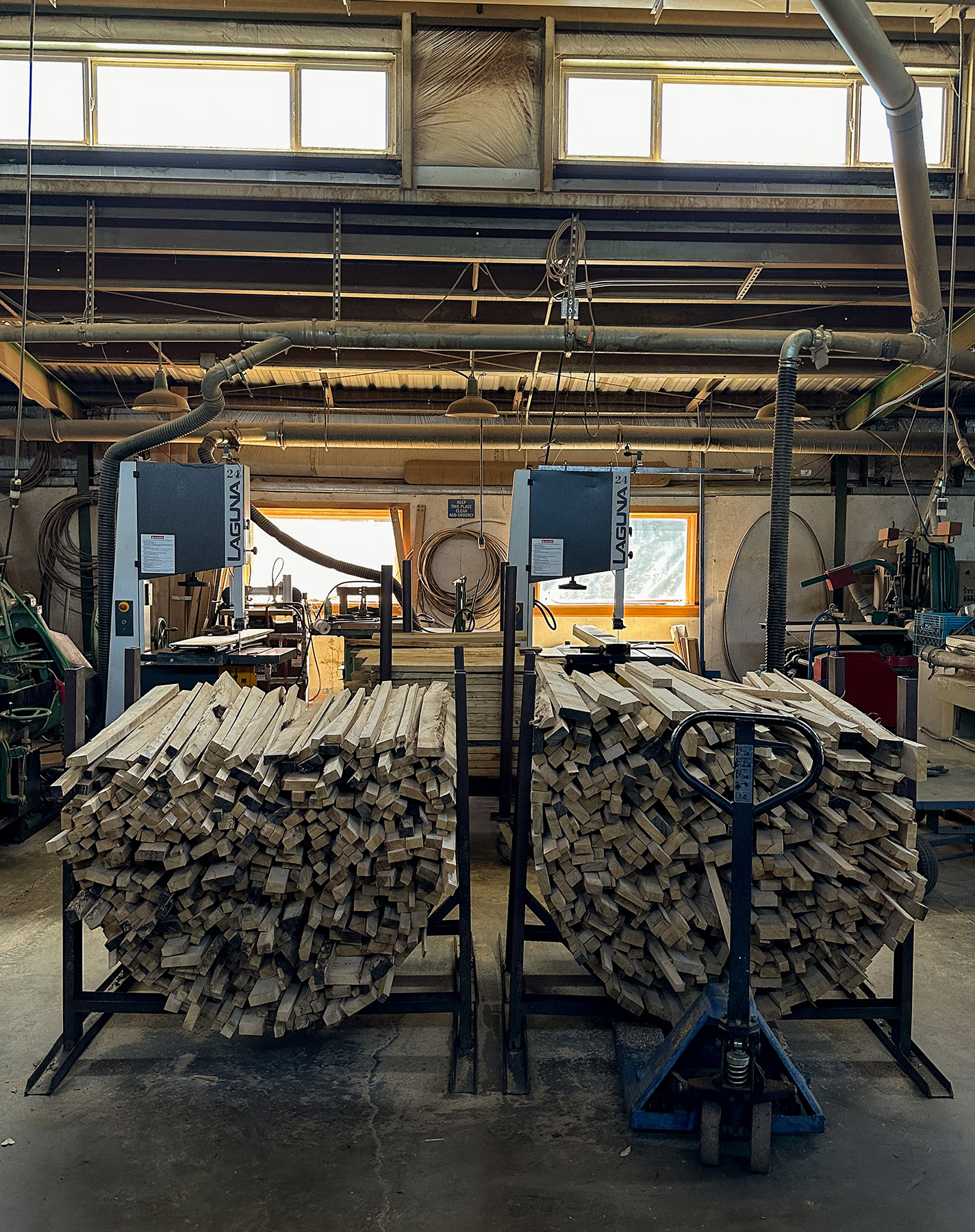
    Inside of Oregon Barrel Works, a cooperage that crafts wooden barrels for aging wine and spirits. These wooden staves will be shaped into barrels.

DeFerrari buys almost all of his oak from farmers and small woodlot owners within 50 miles of McMinnville. Staves are cut to whatever width each log allows—the wood is too valuable to adhere to strict widths for each cut—and barrels are toasted over a fire to allow them to become more pliable and to give them the right flavor. 

”It’s kind of like barbecuing over wood versus cooking your steak in the oven,” he says. “There is no time and temperature recipe for it.” His coopers, who are involved in every step of the process, judge the toast of each barrel by sight and smell. 

That hands-on knowledge has helped the company weather fluctuations in the industry. Wine sales have been declining in the US, and many winemakers are looking toward cheaper options, such as concrete and stainless steel containers, to age their wines. Oregon Barrel Works once primarily served wineries, but whiskey barrels account for about 90 percent of its sales today. Because Oregon oak qualifies as American oak under bourbon regulations, DeFerrari has found a larger market in Kentucky than on the West Coast. Frankfort-based bourbon distillery Buffalo Trace, founded in 1805, is among the company’s biggest customers.

Still, wine remains part of the rhythm of the cooperage. The fall harvest season brings a familiar rush as wineries prepare to ferment and age their grapes.

“Everybody’s going crazy. Everybody wants their barrels delivered September 15,” DeFerrari said last month. “So it’s a fun time, but also a crazy time.”

Photo by J.D. McLelland

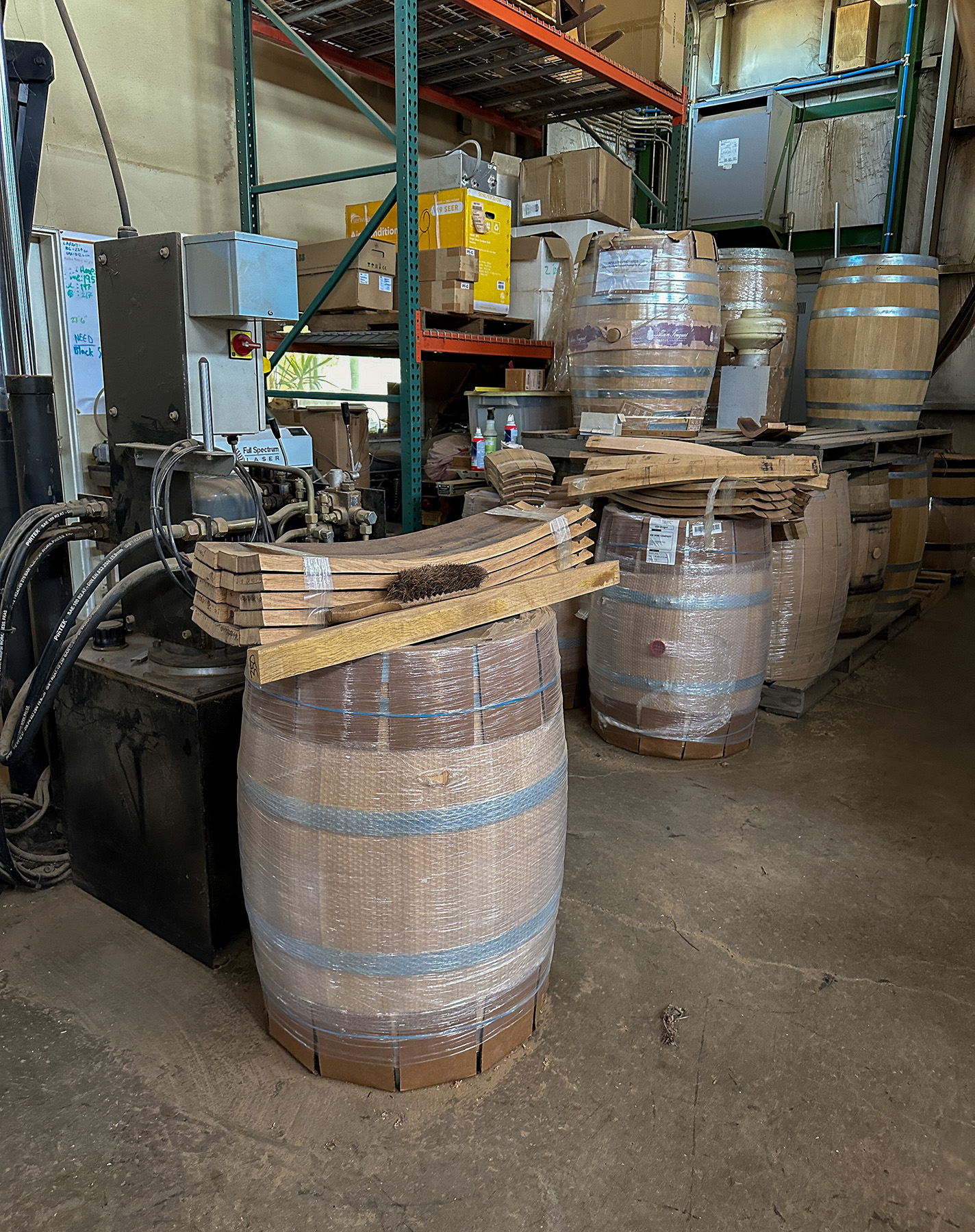
Finished oak barrels are packaged for shipment.

Photo by J.D. McLelland

Heavy machinery cuts the Oregon oak logs into staves.

Megan Gannon is a writer and ceramist based in Seattle. She is a manager at Third Place Pottery, a community clay studio, and her journalism has appeared in National Geographic, High Country News, and Scientific American, among many other publications. 

Learn more about Oregon Barrel Works online.

Website Instagram

Before you go!

We believe that making creates a meaningful world, and we hope you do, too. Deeply researched and impactful journalism on the craft community is in short supply. At the same time, being featured in craft-centered media and articles can have a major effect on a maker’s or artist’s livelihood, particularly those who are just starting in their career. You can help support our mission and the work of makers around the country by becoming a member or by making a gift today.

Thank you!
American Craft Council