Craft Around the Country

In Reviving a Landmark Exhibition, Organizers Showcase California's Unique Craft Legacy

Bay Area artists—and their inheritors—abound in the latest iteration of Objects: USA, on view now at the Museum of Craft and Design in San Francisco.

By Jacqueline Huynh Young
November 4, 2026

Photo by Henrik Kam

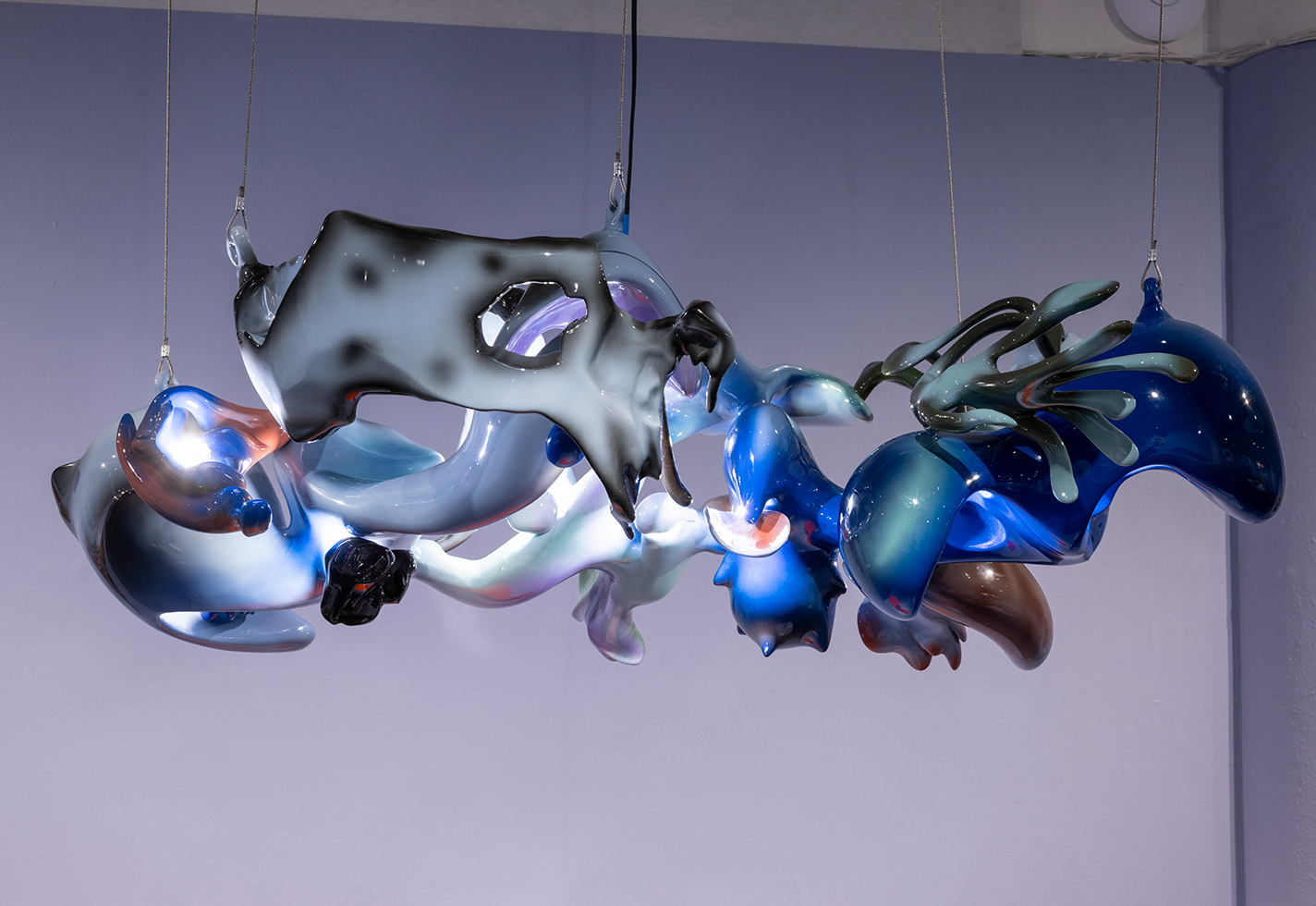
Misha Kahn's For Those Who Float, 2022, plastic and paint, 25 x 60 x 35 in., installed as a part of Objects: USA at the Museum of Craft and Design in San Francisco.

By the mid-20th century, the San Francisco Bay Area had become one of American studio craft’s great laboratories. 

JB Blunk, a sculptor with an almost total devotion to handmaking, built his Inverness, California, home and studio himself, down to each of the objects that filled them. Peter Voulkos, the burly, chaotic godfather of ceramic sculpture, established UC Berkeley’s renegade ceramics program in 1959, while Bauhaus-trained ceramist Marguerite Wildenhain ran the famously rigorous Pond Farm workshops in nearby Guerneville. Robert Arneson, irreverent and gleefully crude, helped pioneer Bay Area Funk, and East Bay mixed-media assemblage artist Mildred Howard developed an experimental, politically engaged practice within the Black Arts Movement. 

It makes sense that this year’s Objects: USA exhibition lands at the Museum of Craft and Design (MCD) in San Francisco, on view through January 17. For this presentation, MCD chief curator Ariel Zaccheo collaborated with New York design gallery R & Company to pair works by artists from the landmark 1969 exhibition with those of contemporary makers.

The original Objects: USA opened at the Smithsonian American Art Museum in Washington, DC, to considerable fanfare. Featuring over 500 pieces by 308 artists, it traveled to 33 venues across the United States and Europe. At a time when artists working in traditional craft materials struggled for recognition, the exhibition gave their work the kind of visibility usually afforded to fine art. 
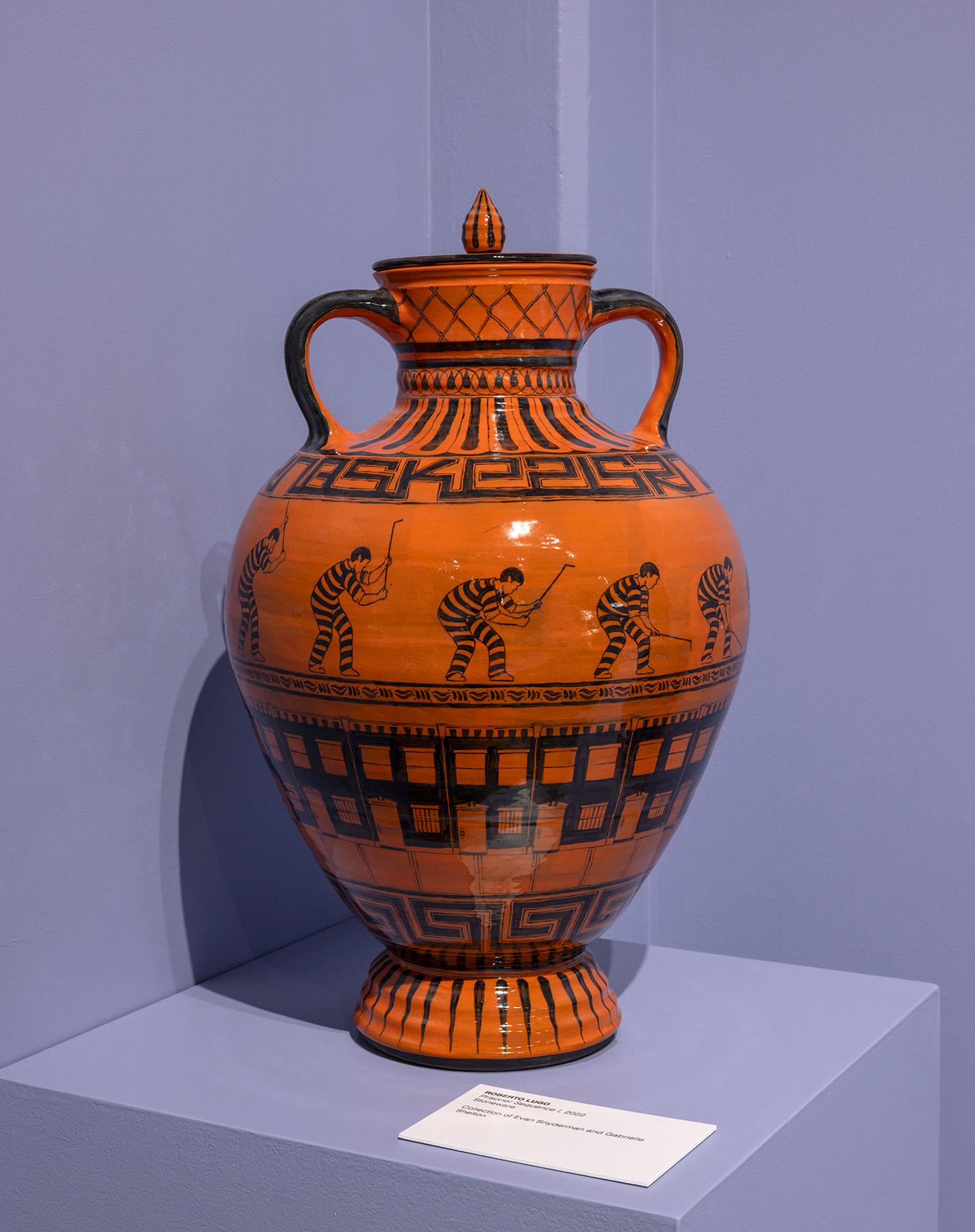
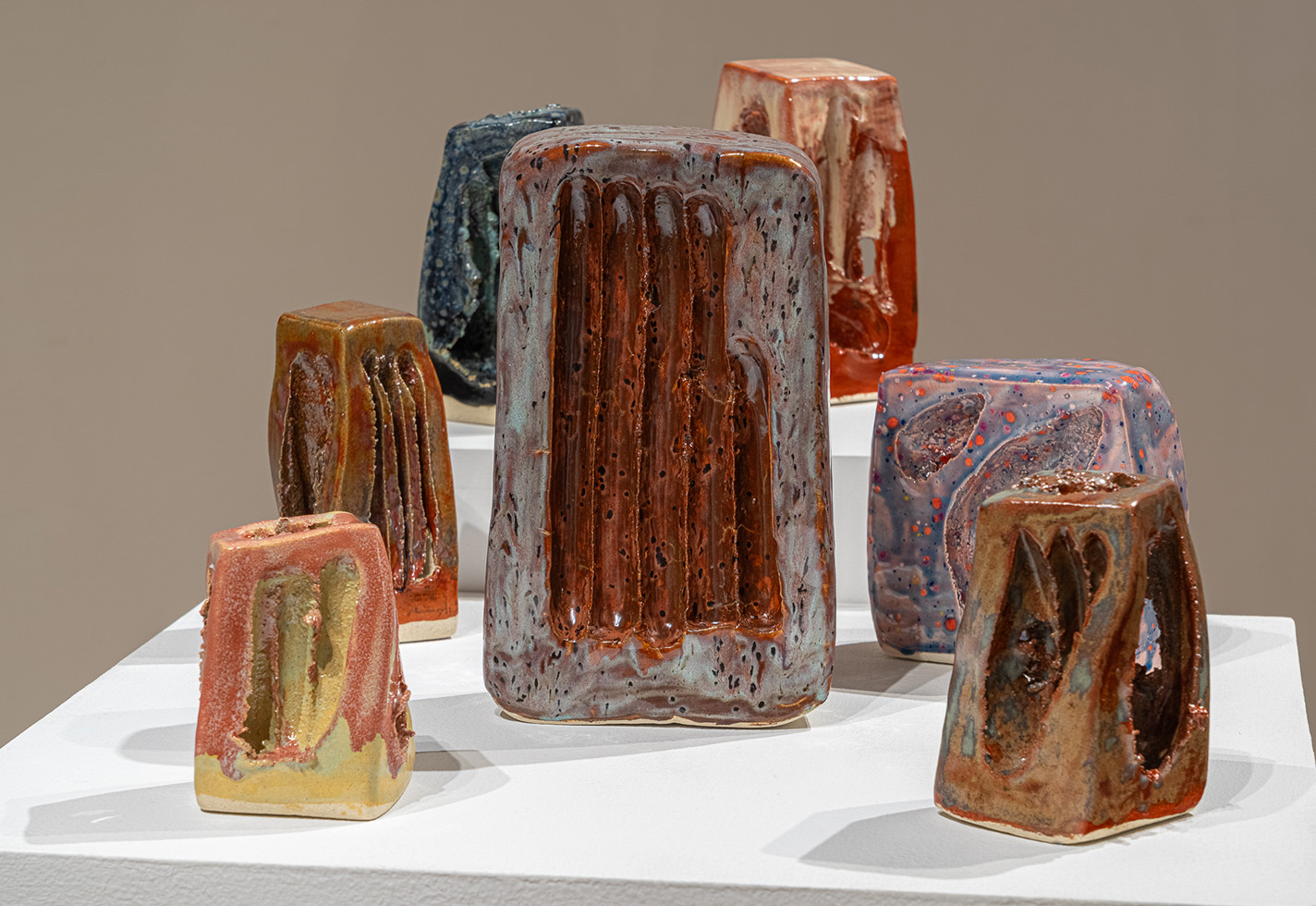
Photo by Henrik Kam

Roberto Lugo, Prisoner Sequence I Amphora, 2022, stoneware.

Evan Snyderman, co-founder of R & Company, argues that those artists were hardly working in isolation from the major art movements of the period. “When you look at what artists were making in the original exhibition, they were looking at what was happening in abstract expressionism and pop art,” he says. “A lot of what was happening in art circles was also influencing what was happening in ceramics and textiles and glass.”

Since then, the boundaries between craft and art have become more porous, but Zaccheo doesn’t think craft needs to shed its outsider status entirely. She calls its subaltern position “a kind of superpower,” one that has allowed it to build communities outside the traditional art world. “No other category in the expanded field of art and art history comes to mind that has consistently been more inclusive of practitioners from within marginalized and minority groups,” she says. When she first flipped through the original Objects: USA catalog, she was struck by the diversity of artists pictured inside: nearly half were women, along with people of color and Indigenous makers. For 1969, she says, “It painted a much more true version of what America is.”

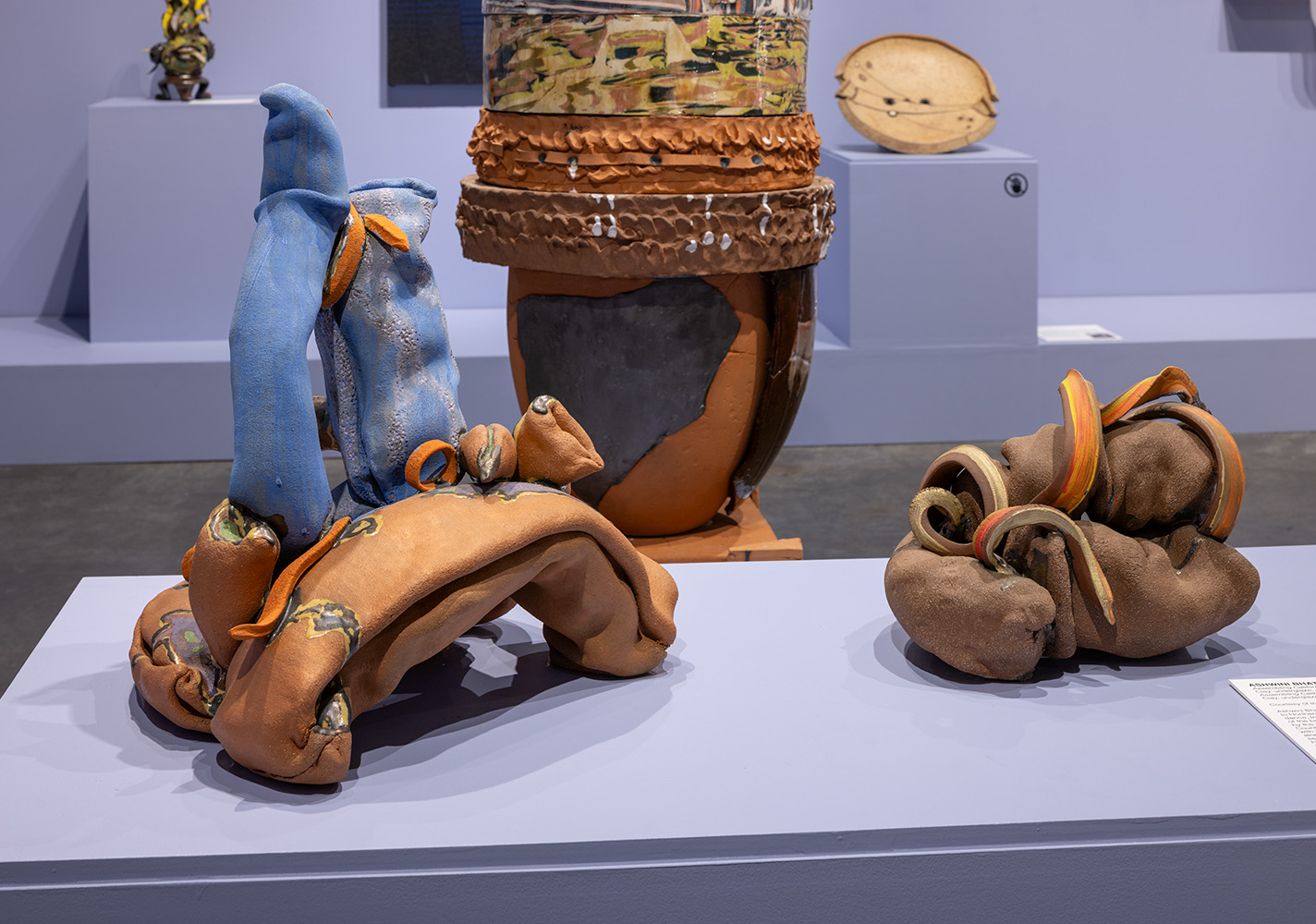
Among the contemporary works in the current exhibition, Zaccheo points to two ceramic sculptures by Indian American artist Ashwini Bhat from her Assembling California series: Assembling California: Estero Trail (2019) and Assembling California: Hoo-Koo-E-Koo Trail (2021). Bhat adapts circumambulation, the meditative practice of walking around a sacred site, to hikes throughout Marin County, north of San Francisco. The bends and loops of those trails inform her sculptures’ shapes, and sweetgum seed pods gathered along the way leave spiky impressions across the clay. Bhat’s work recalls that of Blunk, who carved salvaged redwood from across Northern California by following the wood’s natural contours. During the 1960s, he was part of a community of Marin County artists whose experiments with form were closely tied to the surrounding landscape. 

Photo by Henrik Kam

Ashwini Bhat's Assembling California: Estero Trail, 2019, 11 x 15 x 11 in., and Assembling California: Hoo-Koo-E-Koo Trail, 2021, 24 x 18 x 17 in.

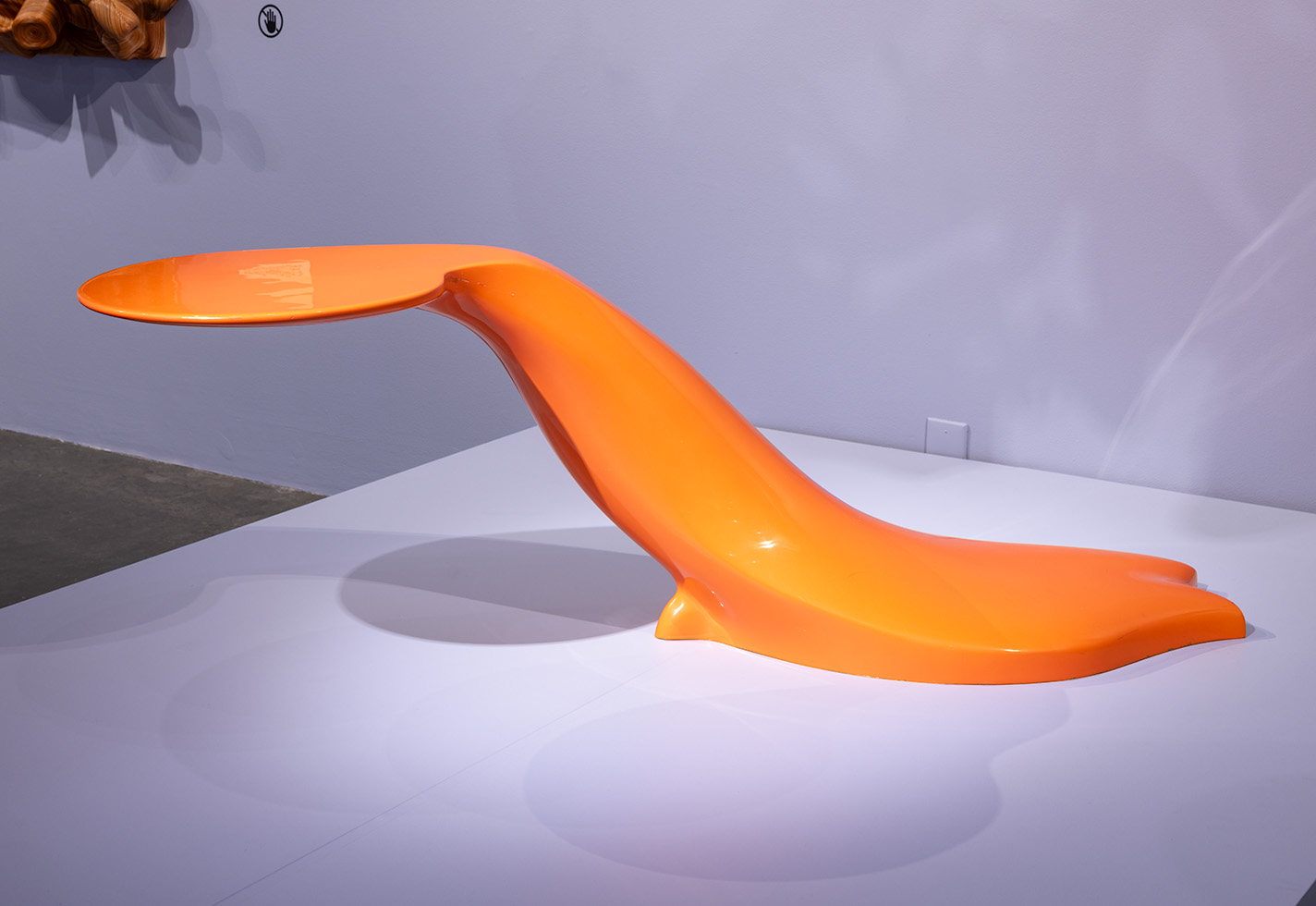
Where the original exhibition was organized by material, the current iteration loosens those categories, allowing works to be paired by idea instead. One of the more exciting groupings brings together Wendell Castle’s Tongue (1969), a bright orange, space-age side table made from plastic and fiberglass, and Misha Kahn’s rippling, techno-organic chandelier For Those Who Float (2022). Castle first turned to plastic because it allowed him to achieve the fluid curves that were difficult to carve in wood; Kahn uses the material in a different technological landscape, incorporating tools such as virtual reality and 3D printing. Meanwhile, plastic no longer carries the same sense of novelty as it once did—its possibilities now come with decades of environmental consequences. 

R & Company first revived Objects: USA in 2020, then launched it as a triennial in 2024. Snyderman hopes the contemporary artists they showcase will eventually become as inseparable from the history of American craft as the names in the original exhibition. “When you look at the list of artists included in that original show, it’s the biggest names of the industry: Voulkos, Wharton Esherick, Leonore Tawney, Sheila Hicks, Ron Nagle—all of these people, many of whom are now represented, or their estates are represented, by contemporary-art galleries. We want to have people look at this show 50 years from now saying, ‘Oh, wow, Misha Kahn and Katie Stout and Roberto Lugo were in this show!’” he says. “It’s become part of what our company wants to leave behind as our legacy.”

Photo by Henrik Kam

Wendell Castle, Tongue, 1969, plastic and fiberglass, 22 x 24 x 61.5 in.

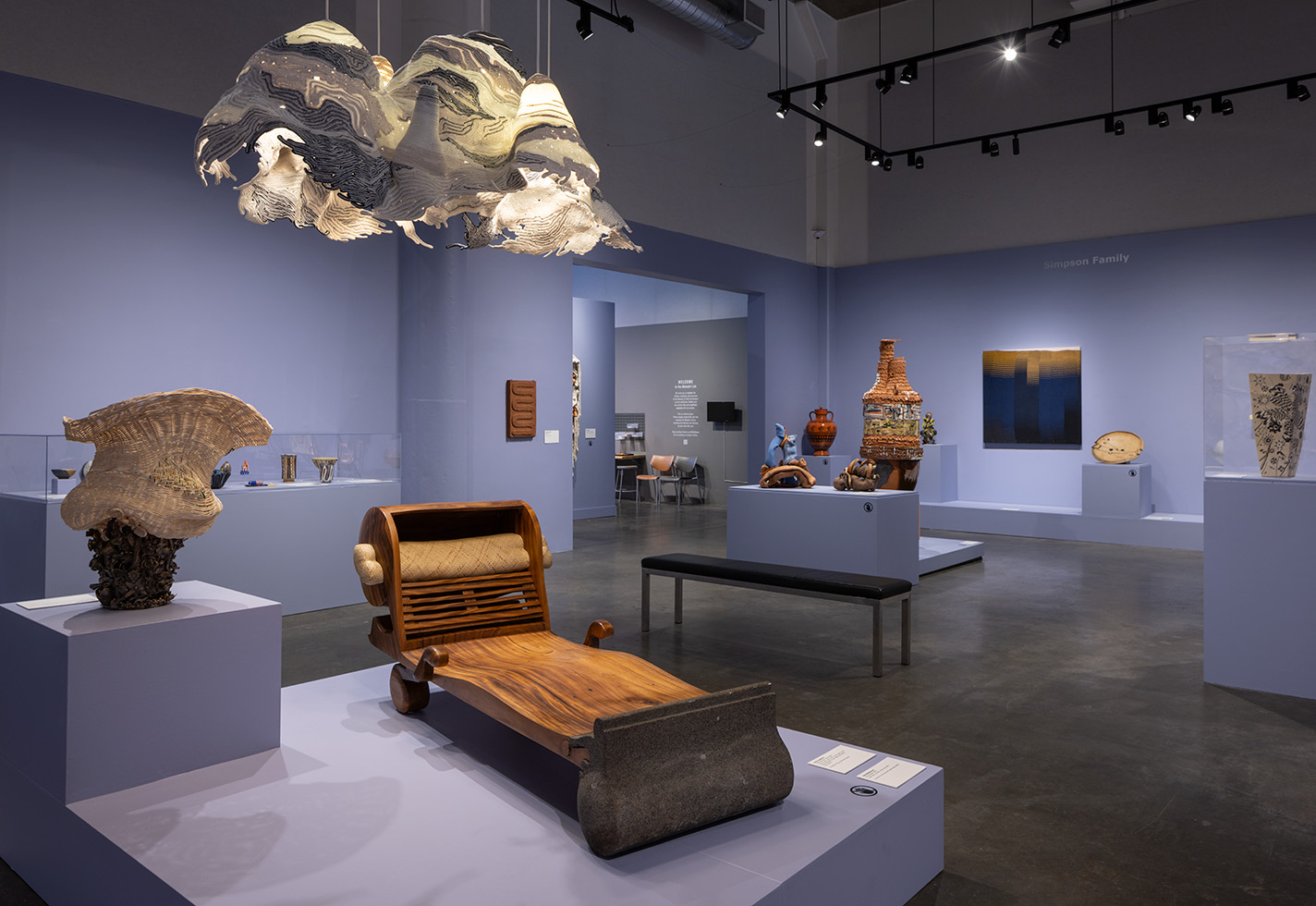
Photo by Henrik Kam

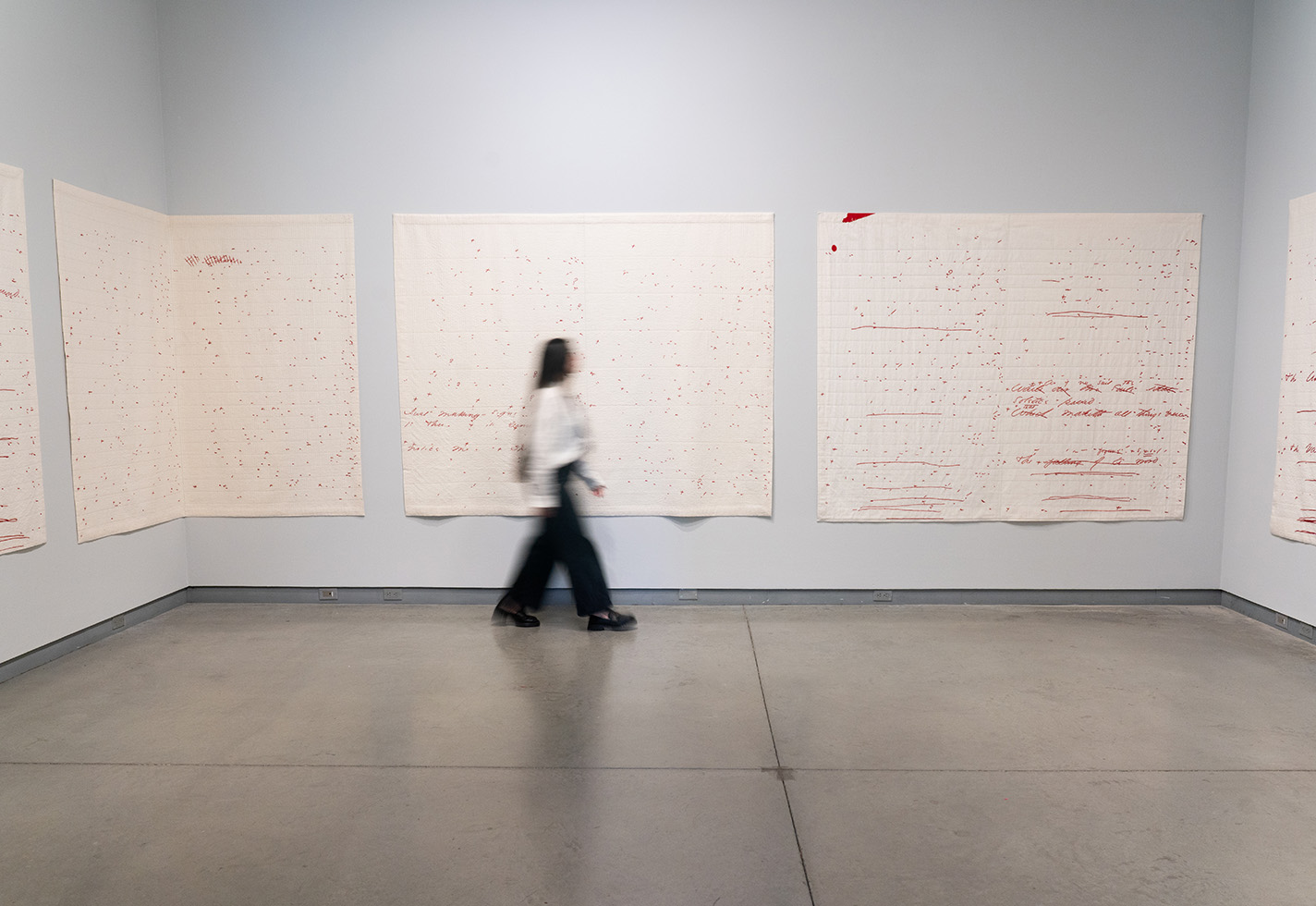
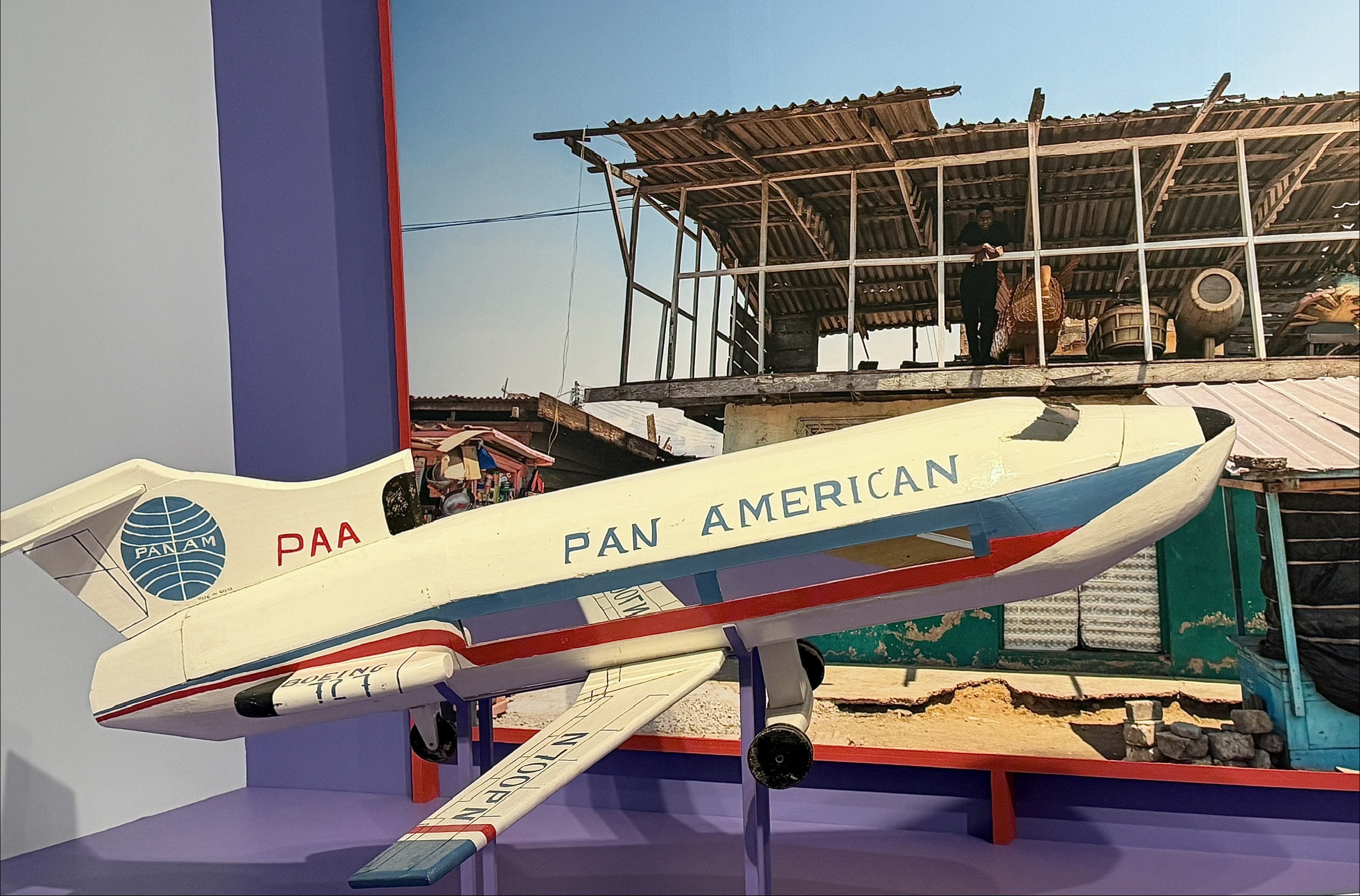
Installation view of Objects: USA at the Museum of Craft and Design in San Francisco, 2026.

Jacqueline Huynh Young is a Vietnamese American artist and writer based in Los Angeles. 

Learn more about the exhibition online.

Website

Before you go!

We believe that making creates a meaningful world, and we hope you do, too. Deeply researched and impactful journalism on the craft community is in short supply. At the same time, being featured in craft-centered media and articles can have a major effect on a maker’s or artist’s livelihood, particularly those who are just starting in their career. You can help support our mission and the work of makers around the country by becoming a member or by making a gift today.

Thank you!
American Craft Council