Craft Around the Country

Sixty Years On, Anderson Ranch Keeps Innovating

The Colorado arts center celebrated six decades this year with a gala and special programming—and it’s betting on a focus on cutting-edge technology to keep it relevant. 

By Megan Gannon
November 27, 2026

Photo courtesy of Anderson Ranch Arts Center

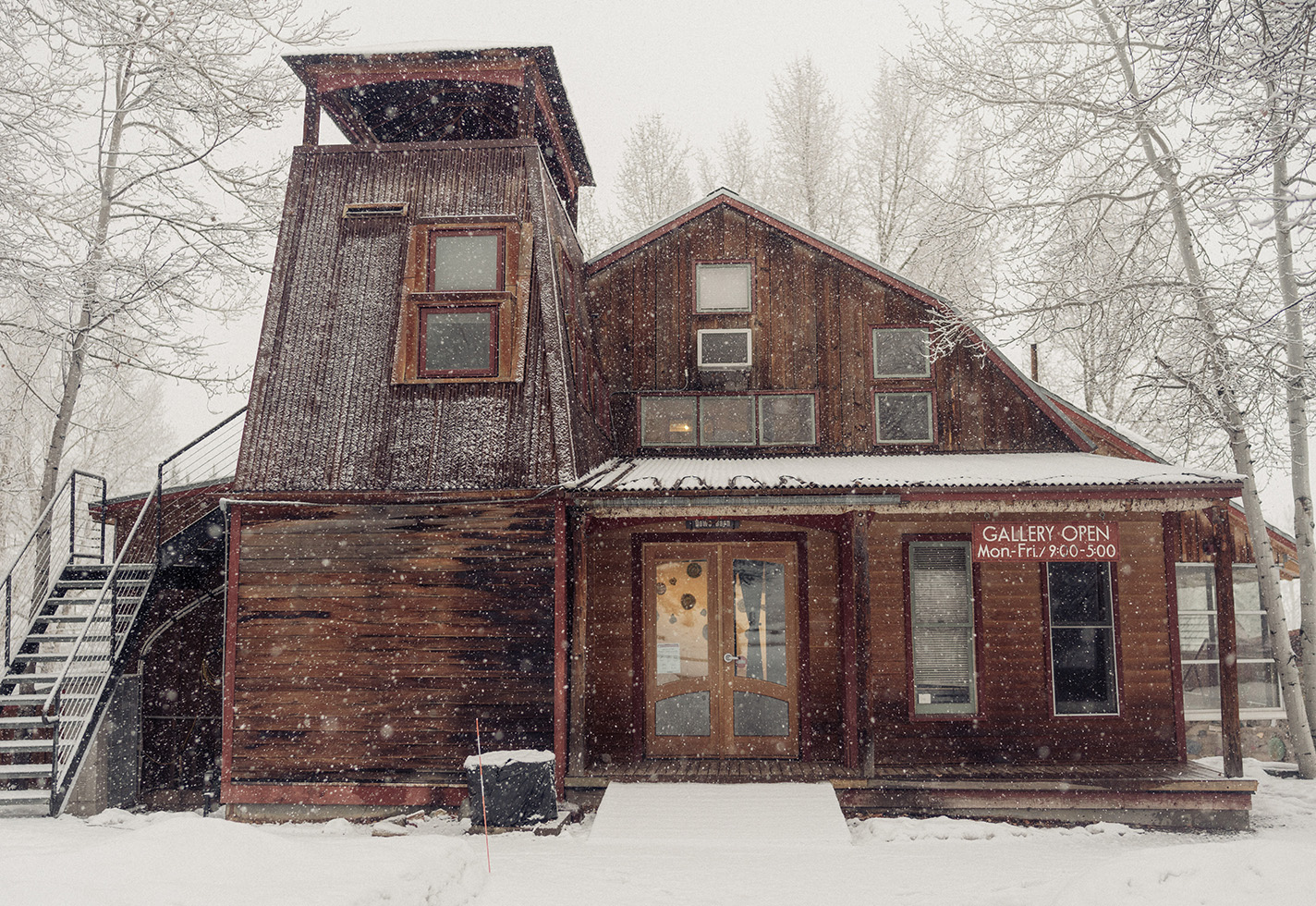
Anderson Ranch in winter, Snowmass Village, Colorado.

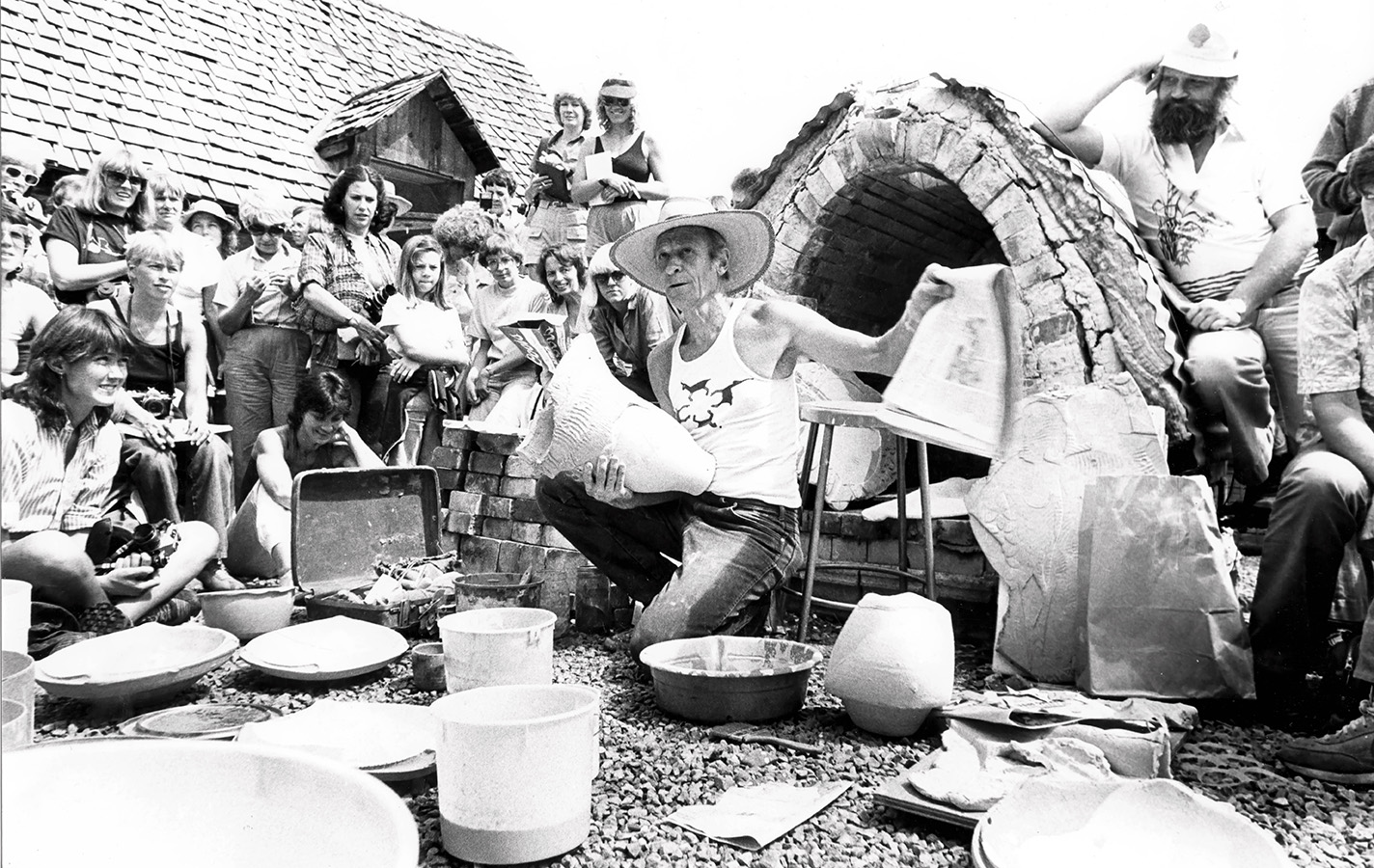
The late American ceramist Paul Soldner, who died in 2011, was fiercely committed to experimentation within his craft. Inspired by raku, a low-firing tradition associated with the Japanese tea ceremony, he developed an influential American offshoot of the technique that used combustibles to create unpredictable surfaces.

At the arts center he founded in Snowmass Village, Colorado, that spirit of experimentation lives on, even as the center has expanded beyond the humble facilities Soldner started with in 1966. 

Anderson Ranch Arts Center, which hosts workshops, lectures, and residency programs across arts disciplines and experience levels, celebrates its 60th anniversary this year. As part of that milestone, the Ranch topped off its busy summer programming with an annual gala in July, during which it raised over $1.6 million and honored the visual artist Marilyn Minter with its International Artist Award.
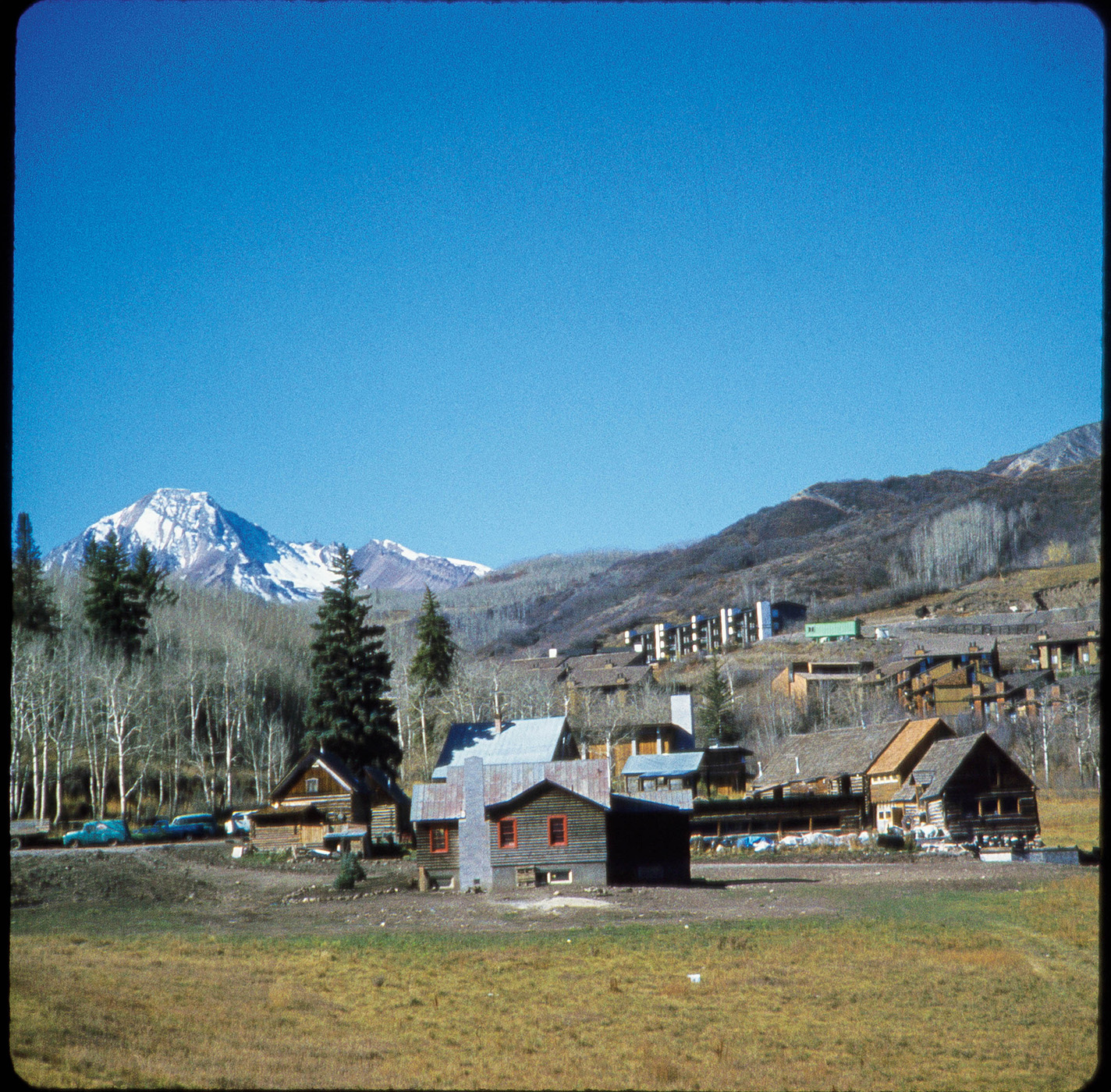
Photo courtesy of Anderson Ranch Arts Center

Community leaders incorporated a board of trustees for Anderson Ranch in 1974.

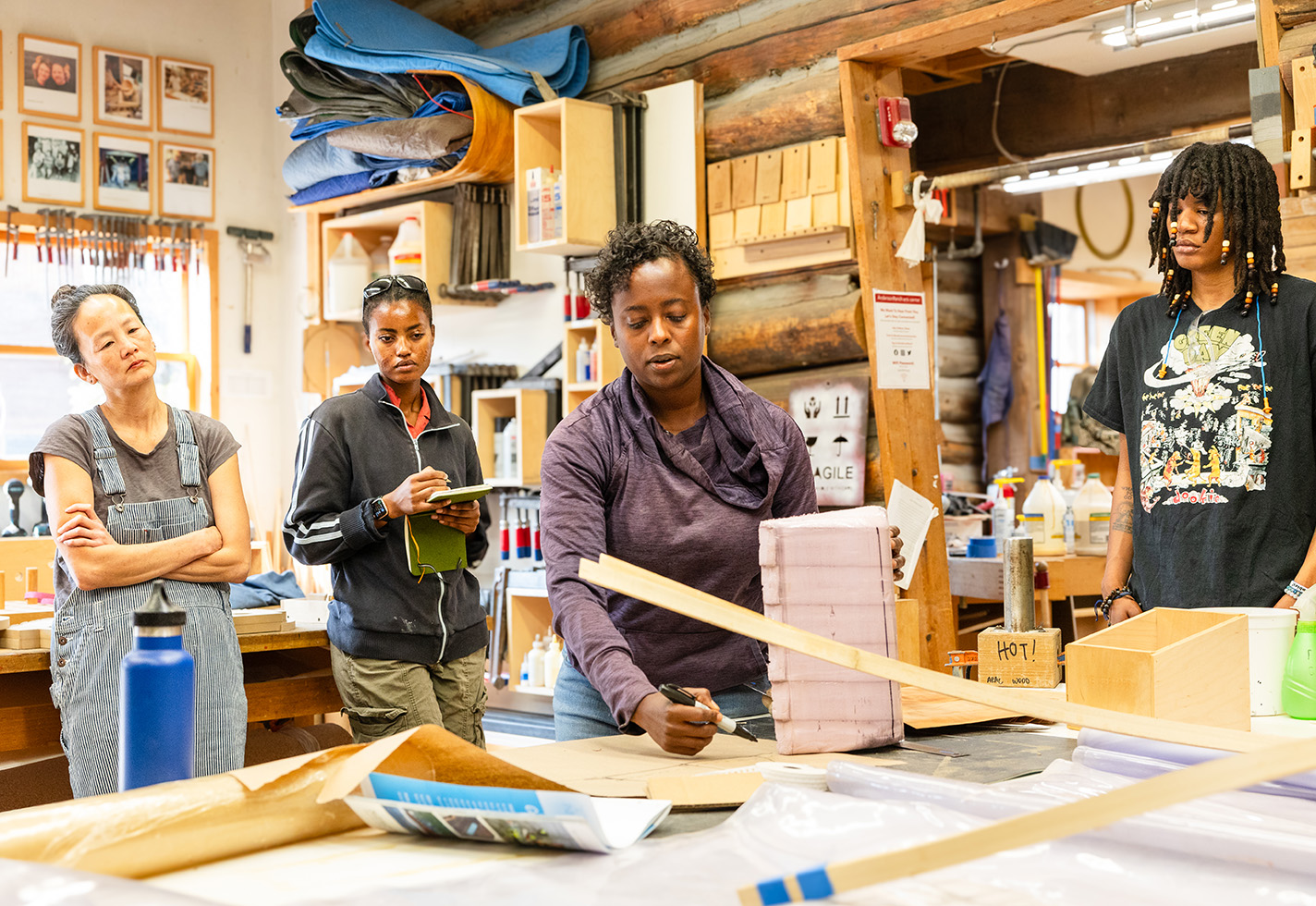
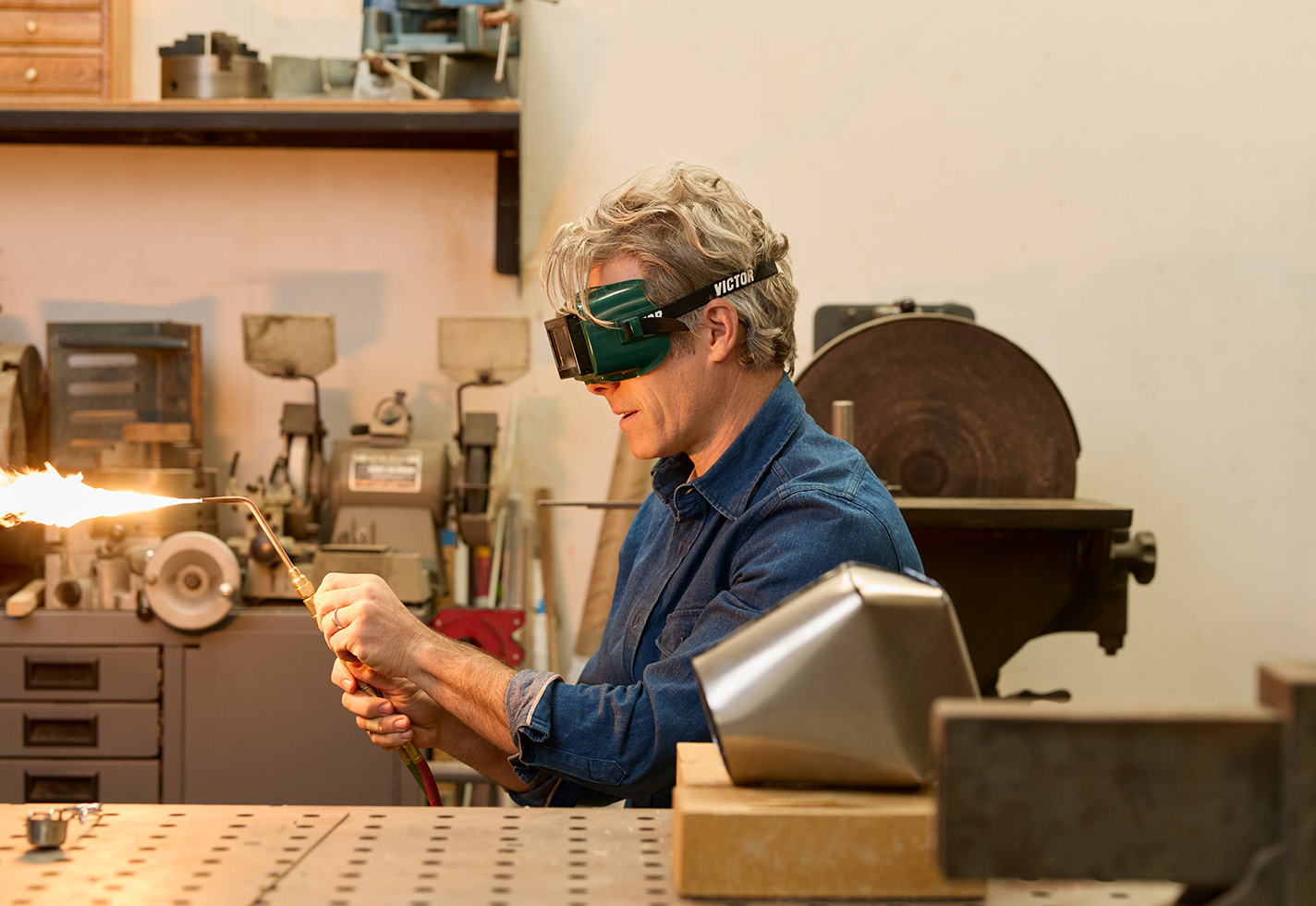
The Ranch had its highest enrollment in workshops yet this past year, says Andrea Jenkins Wallace, vice president of artistic affairs. Besides its location on a five-acre former sheep farm near Aspen in the Rocky Mountains, one of the biggest attractions the Ranch can offer artists is technological equipment and expertise that they might not otherwise be able to access at their home studios. Their digital fabrication lab, for example, has laser cutters and 3D printers that artists of all disciplines can use. Students in summer workshops taught by Denver-based woodworker Laura Kishimoto might use CAD software to explore novel methods of woodworking such as cutting pieces with a CNC machine and then bending them into place. Matt Katz, cofounder of Ceramic Materials Workshop, is another frequent guest instructor who brings a crucial perspective about ceramic-science research to artists working in the medium. 

“I think the Ranch has always tried to be on the cutting edge of whatever new technologies were available to artists,” says Wallace. “We see contemporary artists embracing a lot of new technology and we see craft and contemporary art in the same continuum; we don’t see it as something separate.”

The Ranch also tries to remove any sense of separation between the various disciplines, Wallace says, and it is intentional about encouraging mingling through rituals such as shared meals. “Artists will continue to need places where they can come together in community, ask questions, take risks, learn from each other, work through those unfamiliar processes,” she says. “However we invest in technology or in the studios, we want to make sure that we keep that central to the experience.”

Photo courtesy of Anderson Ranch Arts Center

Alison Croney Moses (second from right) teaches at Anderson Ranch, 2025.

Photo courtesy of Anderson Ranch Arts Center

Paul Soldner teaching students about firing ceramic work in the Anderson Ranch kilns, 1981.

Megan Gannon is a writer and ceramist based in Seattle. She is a manager at Third Place Pottery, a community clay studio, and her journalism has appeared in National Geographic, High Country News, and Scientific American, among many other publications. 

Learn more about Anderson Ranch online.

Website Instagram

Before you go!

We believe that making creates a meaningful world, and we hope you do, too. Deeply researched and impactful journalism on the craft community is in short supply. At the same time, being featured in craft-centered media and articles can have a major effect on a maker’s or artist’s livelihood, particularly those who are just starting in their career. You can help support our mission and the work of makers around the country by becoming a member or by making a gift today.

Thank you!
American Craft Council