Craft Around the Country

Hudson Valley Artists Stretch Fiber to Its Limits

In a new exhibition at Hudson Hall in Upstate New York, artists from a region rich in textile history push the medium to new horizons.

By Kate Schuler
April 30, 2026

Photo courtesy of Will McLeod

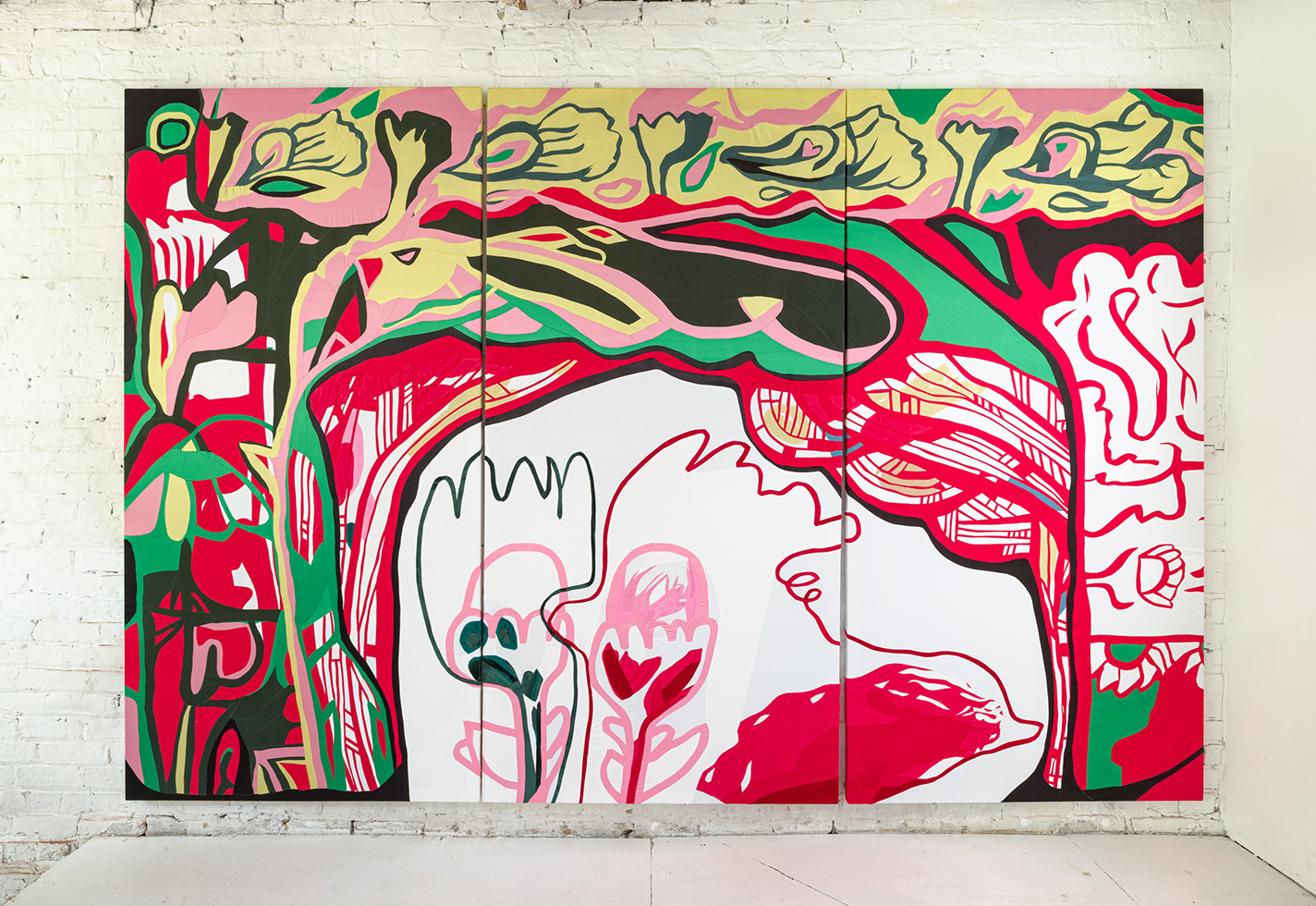
Will McLeod's painterly triptych Nosebleed will appear in Surface, Structure, String.

In the shadows of the mills and factories that once thrived in Upstate New York’s Hudson Valley, a group of artists are pushing the materiality of fiber, cloth, wire, and natural elements beyond traditional definitions of textile art.

An upcoming exhibition, Surface, Structure, String: Hudson Valley Textile Art Now, will showcase a wide range of work from weavers, quilters, painters, paper artists, and sculptors living and working in the region. 

“The Hudson Valley, because of the waterways and mills, historically, has been one of the epicenters in America for textile work production,” says Adam Weinert, executive director of Hudson Hall, where the show runs from May 8 through July 12. 

Richard Saja, an embroiderer and the curator of the ambitious show, says the 24 artists in the show explore material processes that go beyond a textile surface. And, he says, they’re not afraid to use color. “It’s exploring a sense of play and fun that is missing in some other disciplines in contemporary art,” Saja says. “Textile art doesn’t always take itself too seriously. And yet the work itself is very serious.”
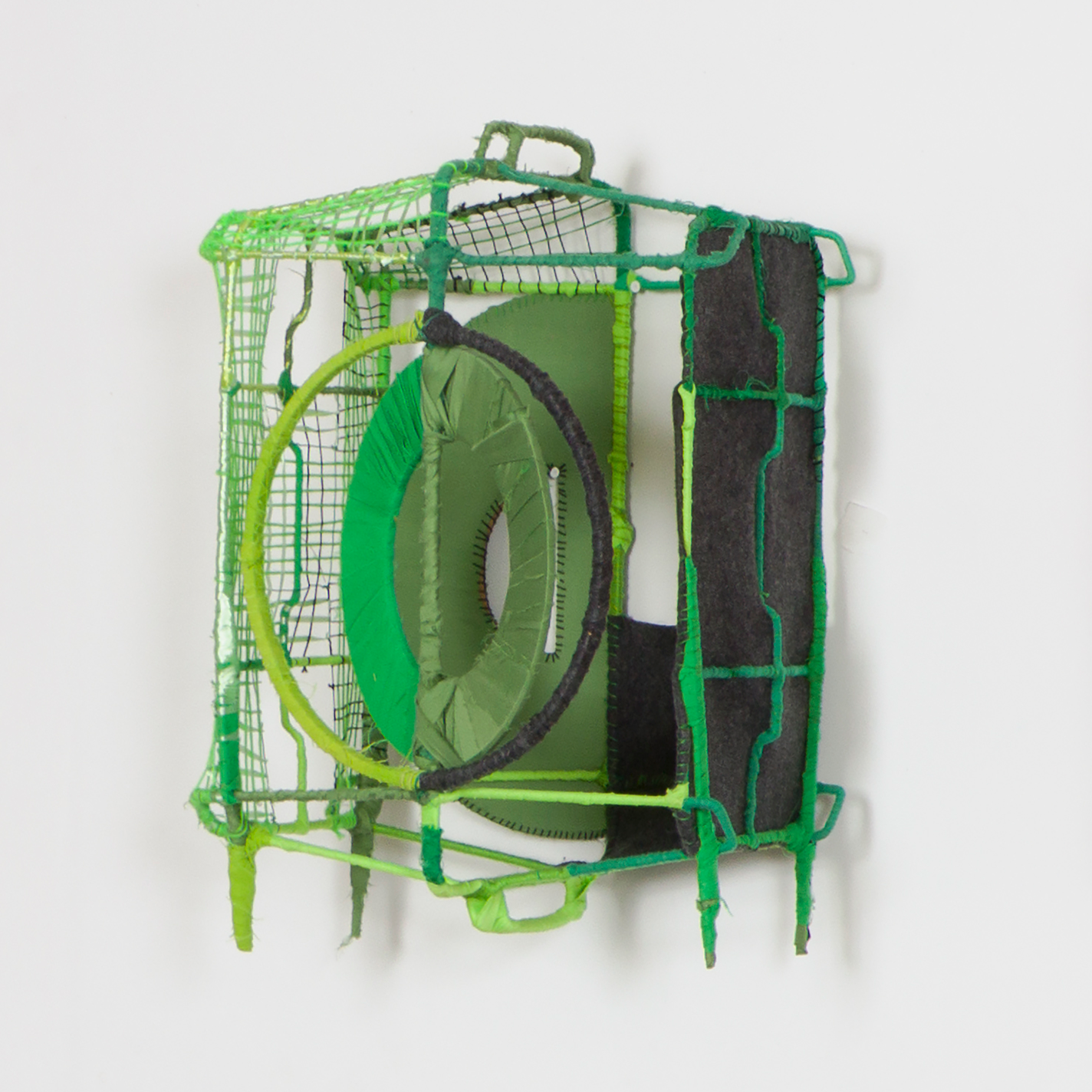
Photo courtesy of Hudson Hall

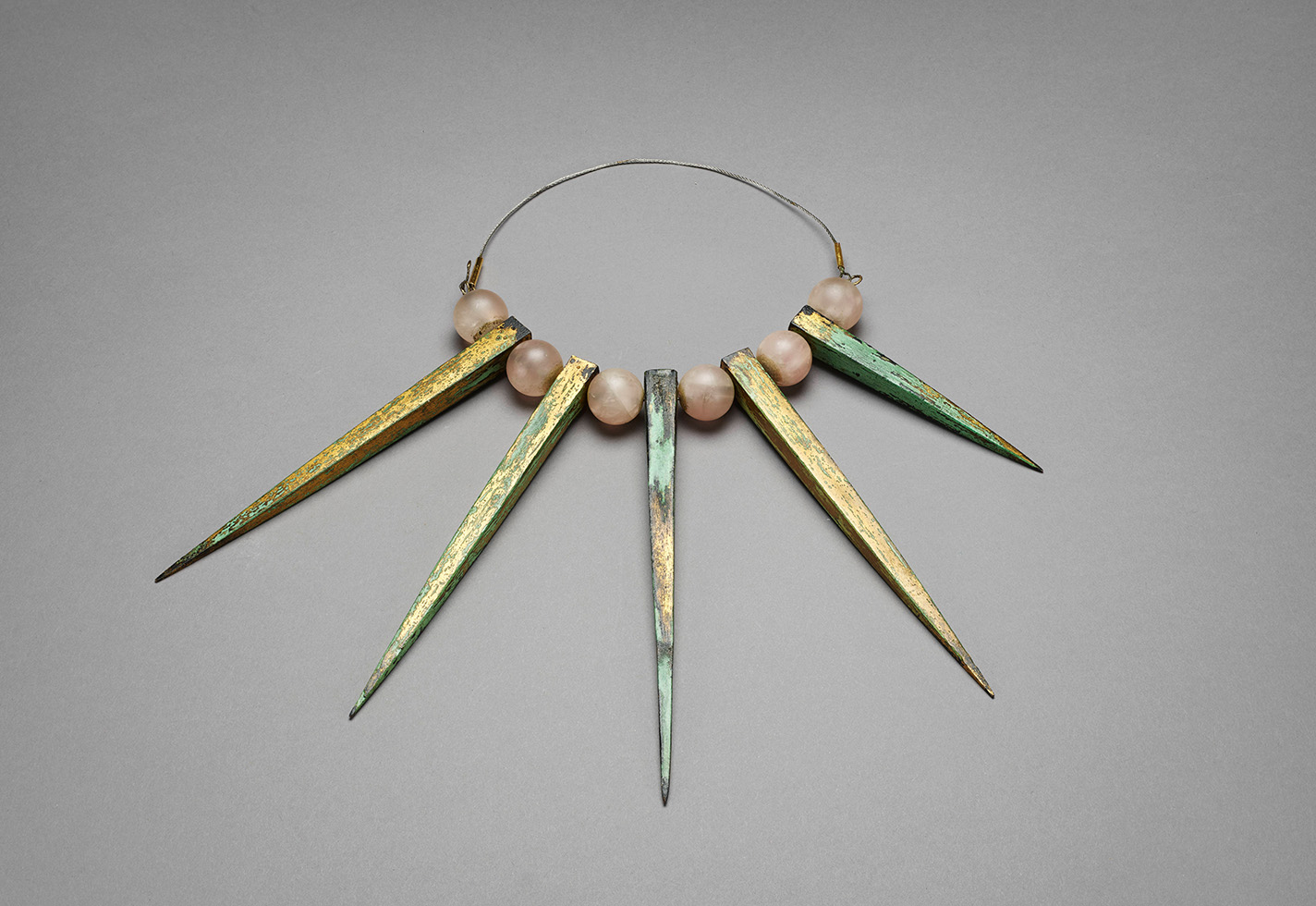
Courtney Puckett, Seed Hold, 2023, found objects, repurposed textiles, 23 x 13 x 10 in.

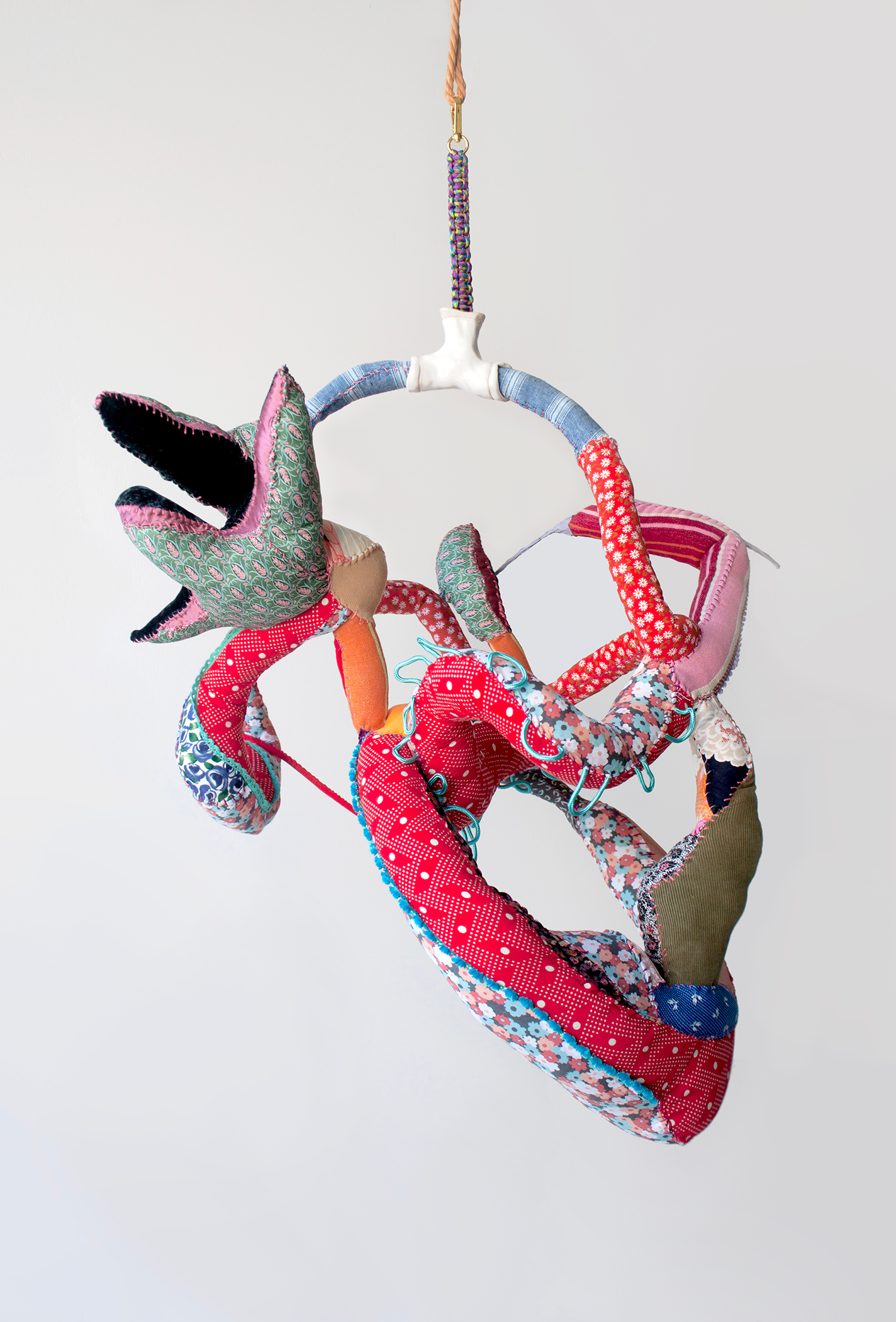
Hanna Washburn’s work exemplifies this spirit. Using visible chunky stitching, the artist—who grew up outside Boston and spent several years in New York City before moving to Beacon—works improvisationally with brightly patterned domestic textiles to create patchwork surfaces that evoke memories of a suburban childhood. The gestural, ambiguous, and at times unsettling forms that result hold many contradictions—they are both familiar and alien, airy but with a notable gravity. 

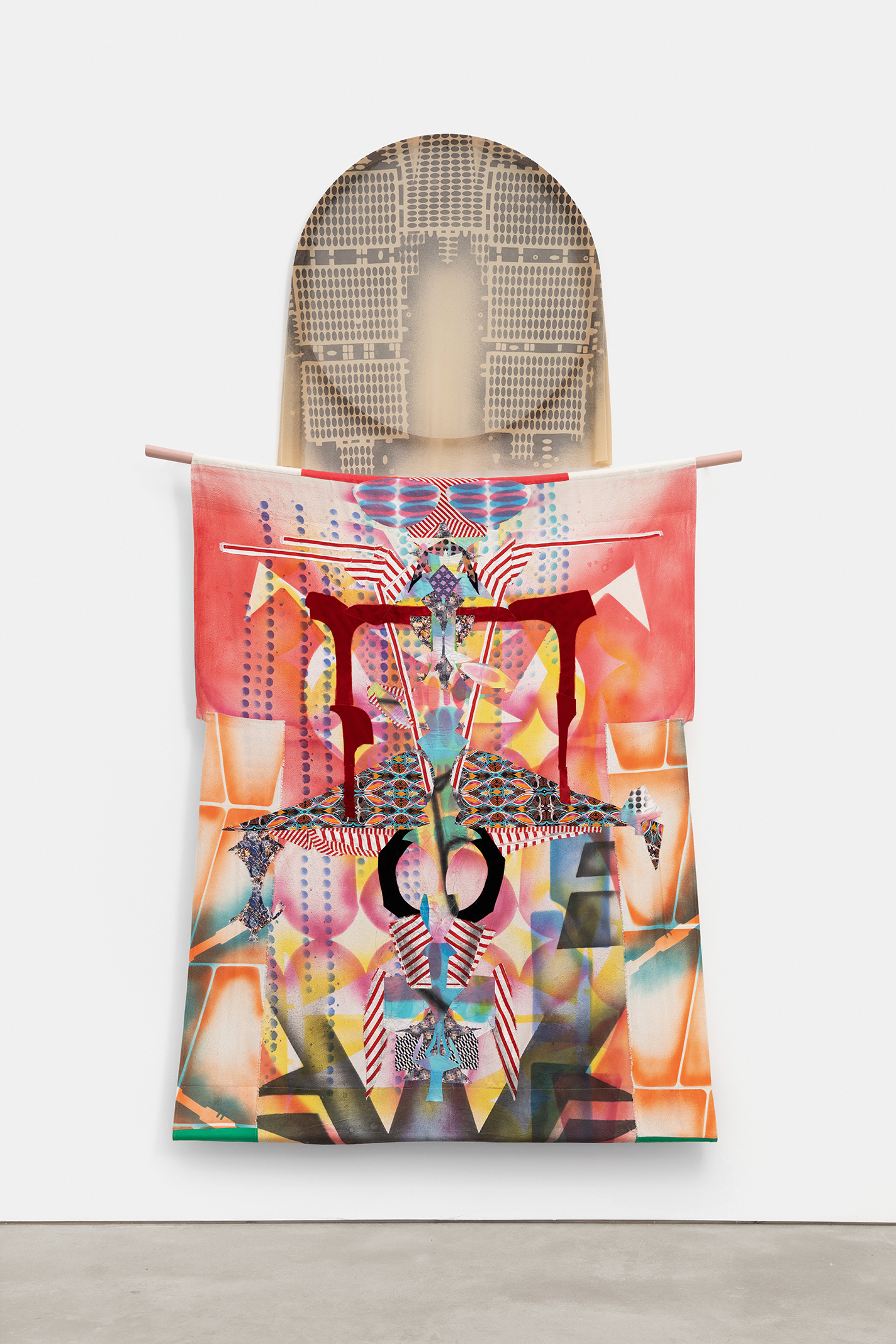
Contrasting Washburn’s work with that of artist Will McLeod highlights the innovation and diversity among the artists presented. McLeod, who grew up outside Charlotte, North Carolina, and spent a decade in New York City before moving to Hudson, works with bright fabrics and approaches his wall pieces with precision, planning, and patternmaking skills developed during years working in the fashion industry. 

McLeod’s work begins with a painting. “I’m always drawing and I’m always painting, but then if I like a composition, I’ll then want to elevate it,” he says. 

The show will exhibit the first three panels of a 14-piece work titled Nosebleed. The first three panels depict a floral scene, almost art deco in style, with a vignette of two flowers that McLeod sees as lovers.

Photo courtesy of Hudson Hall

Hanna Washburn, In Your Orbit, 2025, recycled textiles, thread, batting, welded steel, ceramic, nylon cord, snap hook, 36 x 28 x 18 in.

His choice of fabrics showcases the innovative way he’s approaching textiles as art. True to the paintings where he works out images and ideas, he selects fabrics that echo the properties of the original medium. “For acrylic paints, I’ll use a satin because there’s a shine and a slickness to it, then for certain rougher techniques on paper, like colored pencil or pastels, I’ll use rougher fabrics like velvets or terries, so the pile and the nap of the fabrics will subtly allude to paints.” he says.

Kat Howard, who lives and works in Kingston, grew up near Rochester and spent time as a child in her mother’s native Sweden, where she was exposed to the textile traditions of the country’s rural southern region. Her work will occupy a corner space in the gallery, with a piece that plays with the idea of cloth and materiality. Using European water chestnuts she forages from the banks of the Hudson River, Howard pierces each one and weaves them together with wire into large nets. She’ll sculpt a series of those nets on-site at Hudson Hall. 

She finds the water chestnuts to have a thorn-like quality that when woven together feels like armor. “You can make something that protects yourself, but sometimes it can also harm you,” Howard says. “It’s good that something protects you. But what are you keeping out?”

The history of the region and the growing prominence of textile art in the region make the timing right for a show like this, according to Weinert. There is such a strong practice of fiber art, textile art, and such a strong and unique history in this area,” he says, adding that a new generation of artists with new approaches to textile practices is taking shape in the region.   “Materiality and community are intertwined.”

Learn more about select artists from this region of the United States on Homo Faber Guide.

Photo courtesy of Hudson Hall

Laleh Khorramian, Guardian of Tulips, 2022, acrylic, raw silk, silk, mesh, velvet, cotton muslin, cotton, interfacing, polyester thread, fabric glue, birch dowels, hardware, 101 x 56 in.

Kate Schuler is a potter, writer, and editor based in Washington, DC. 

Learn more about Surface, Structure, String: Hudson Valley Textile Art Now online.

Website

This article was made possible with support from the Windgate Foundation.

Before you go!

We believe that making creates a meaningful world, and we hope you do, too. Deeply researched and impactful journalism on the craft community is in short supply. At the same time, being featured in craft-centered media and articles can have a major effect on a maker’s or artist’s livelihood, particularly those who are just starting in their career. You can help support our mission and the work of makers around the country by becoming a member or by making a gift today.

Thank you!
American Craft Council