Established on the grounds of a former brickyard in Helena, Montana, the Archie Bray Foundation is famous in the history of ceramics as the place where its founding artists, Rudy Autio and Peter Voulkos, honed their experimental approach.
This year, the Bray celebrates its 75th anniversary. Jenni Sorkin, an assistant professor of the history of art and architecture at the University of California, Santa Barbara, curated Now, Next, Always: The Bray 2000–2025, a new exhibition about the center’s last quarter century, currently on display at the Holter Museum of Art in Helena through August 2.
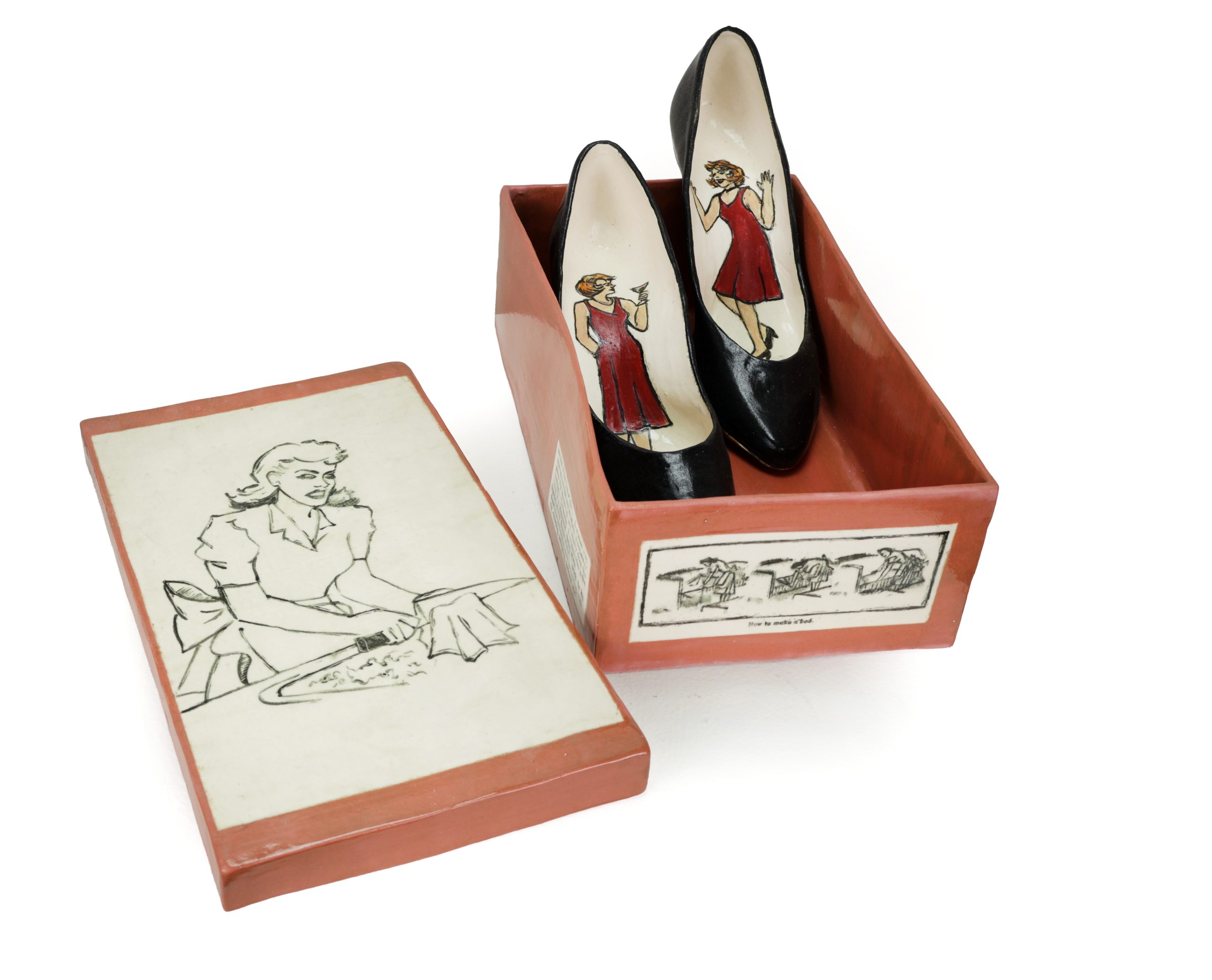
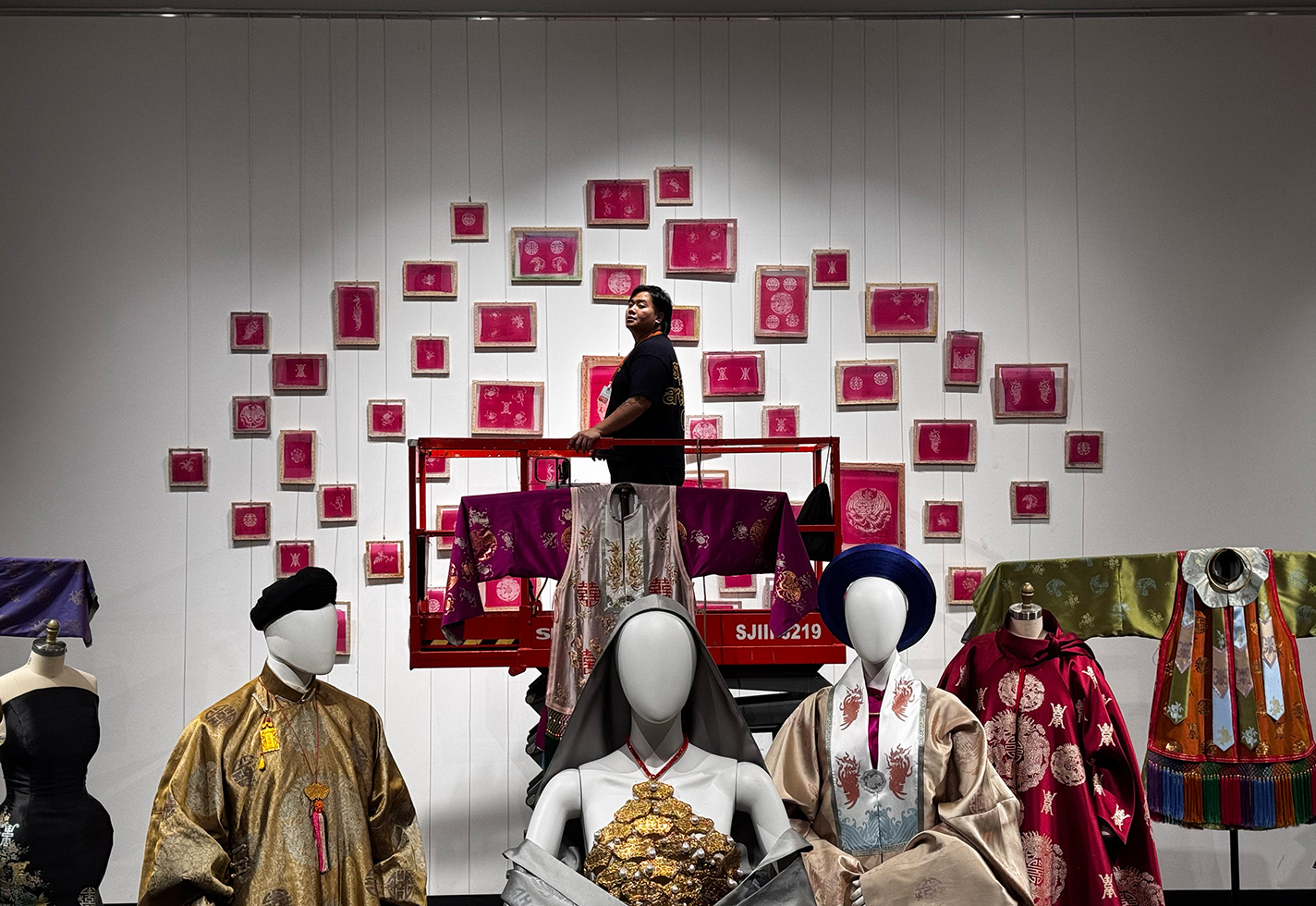
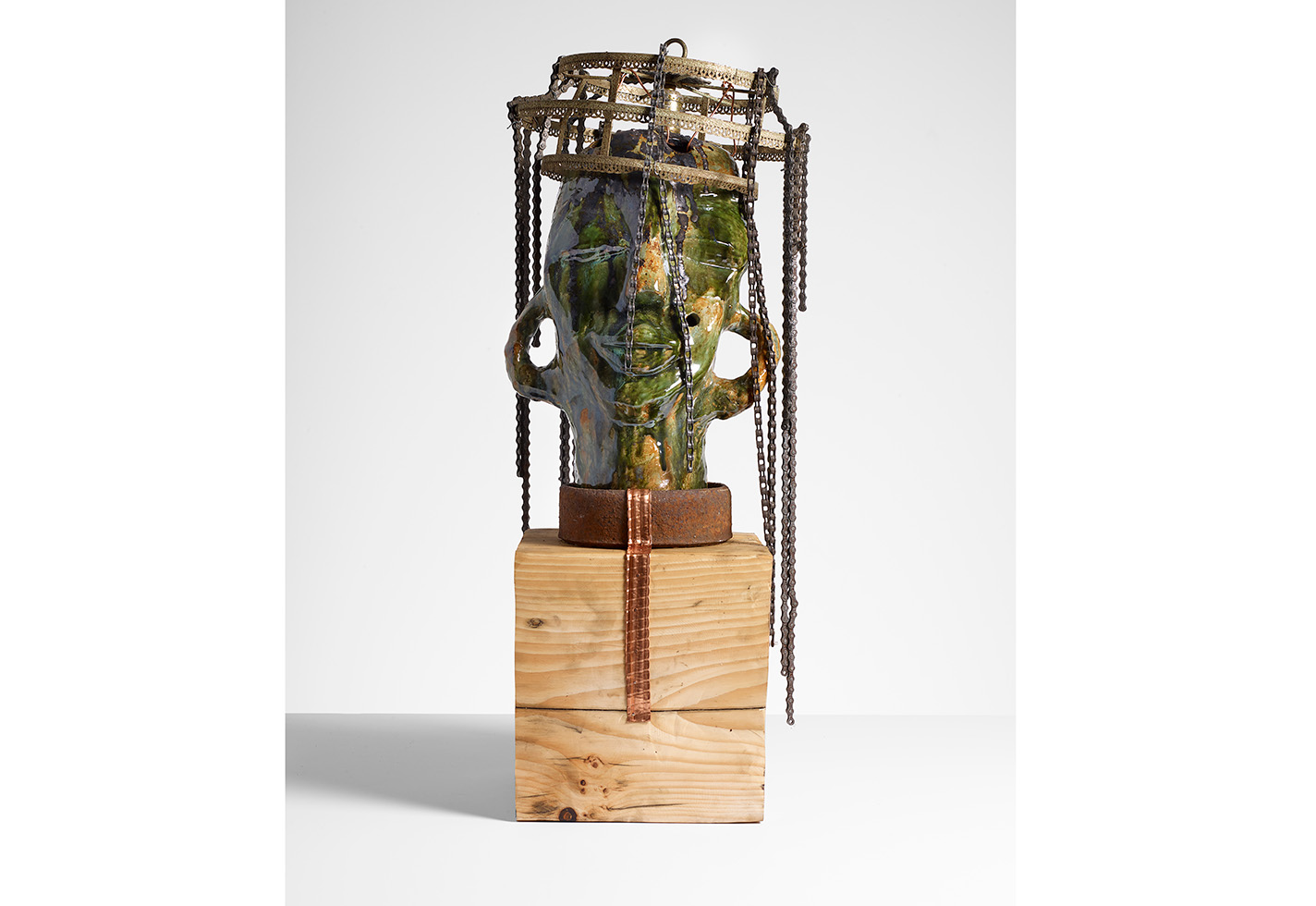
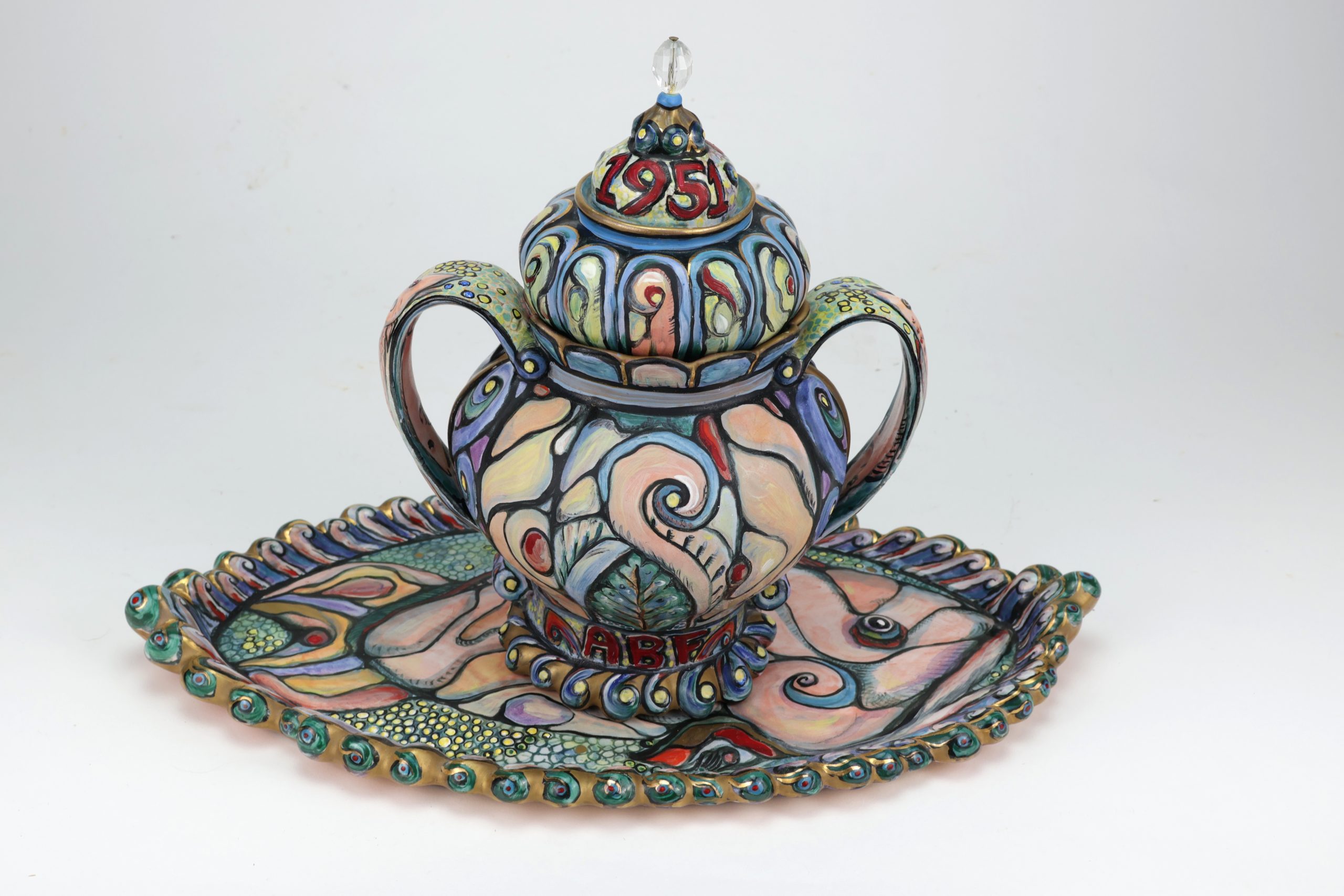
Today, the Bray is known as an incubator for emerging artists, and those makers are bringing perspectives that might have been excluded from the program’s early years. “The field has really radically shifted in favor of women makers, queer artists, and artists of color,” says Sorkin.
Sorkin, who in 2016 published a feminist study of postwar ceramics called Live Form: Women, Ceramics, and Community, explains that one section of the exhibition features women progenitors associated with the Bray, including works by Frances Senska, who established the ceramics program at Montana State University in 1946. Her teaching style, which emphasized experimentation and independence, highly influenced her students, including Autio and Voulkos.
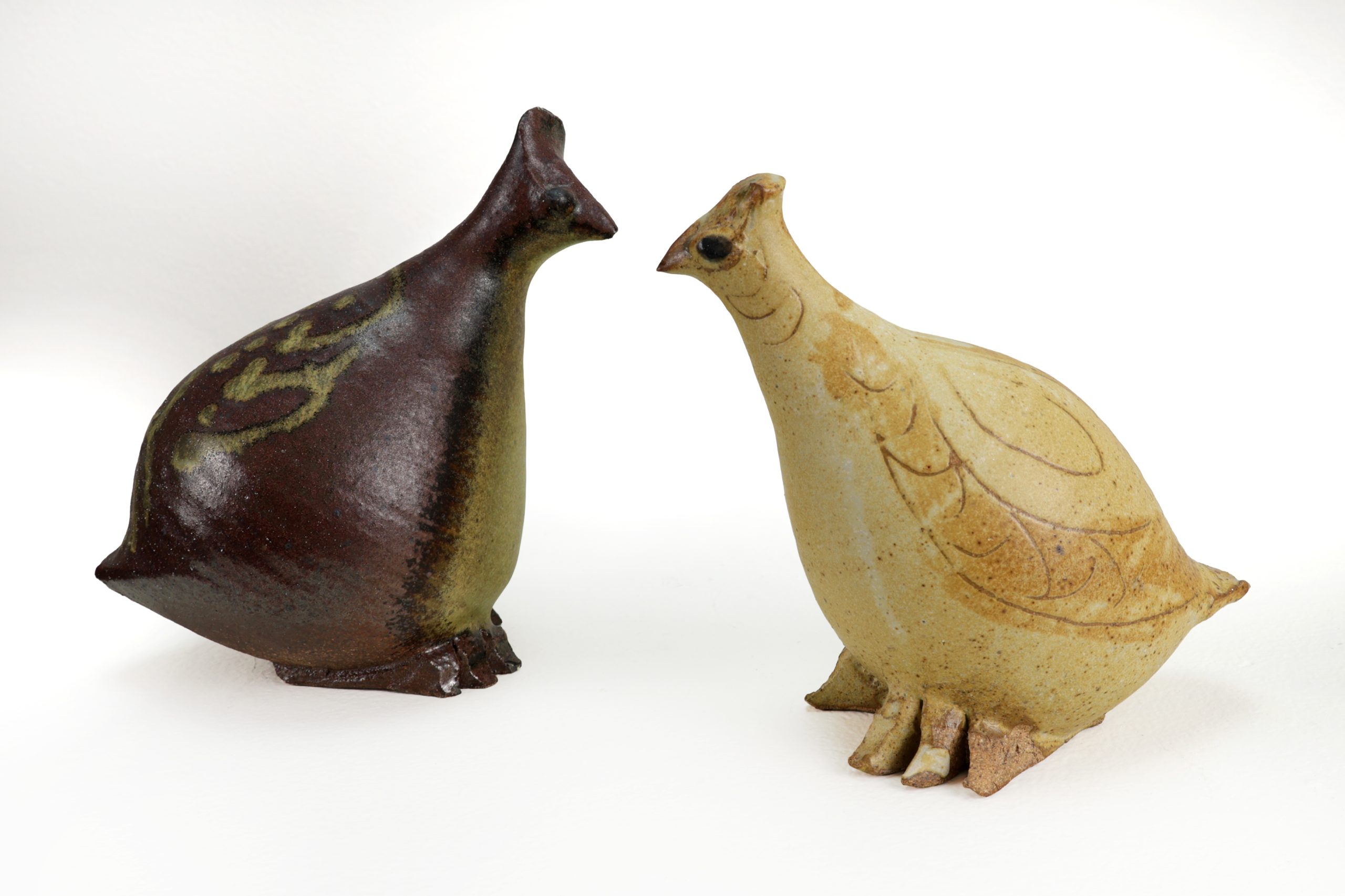
Frances Senska, Two Birds, date unknown, stoneware and glaze.