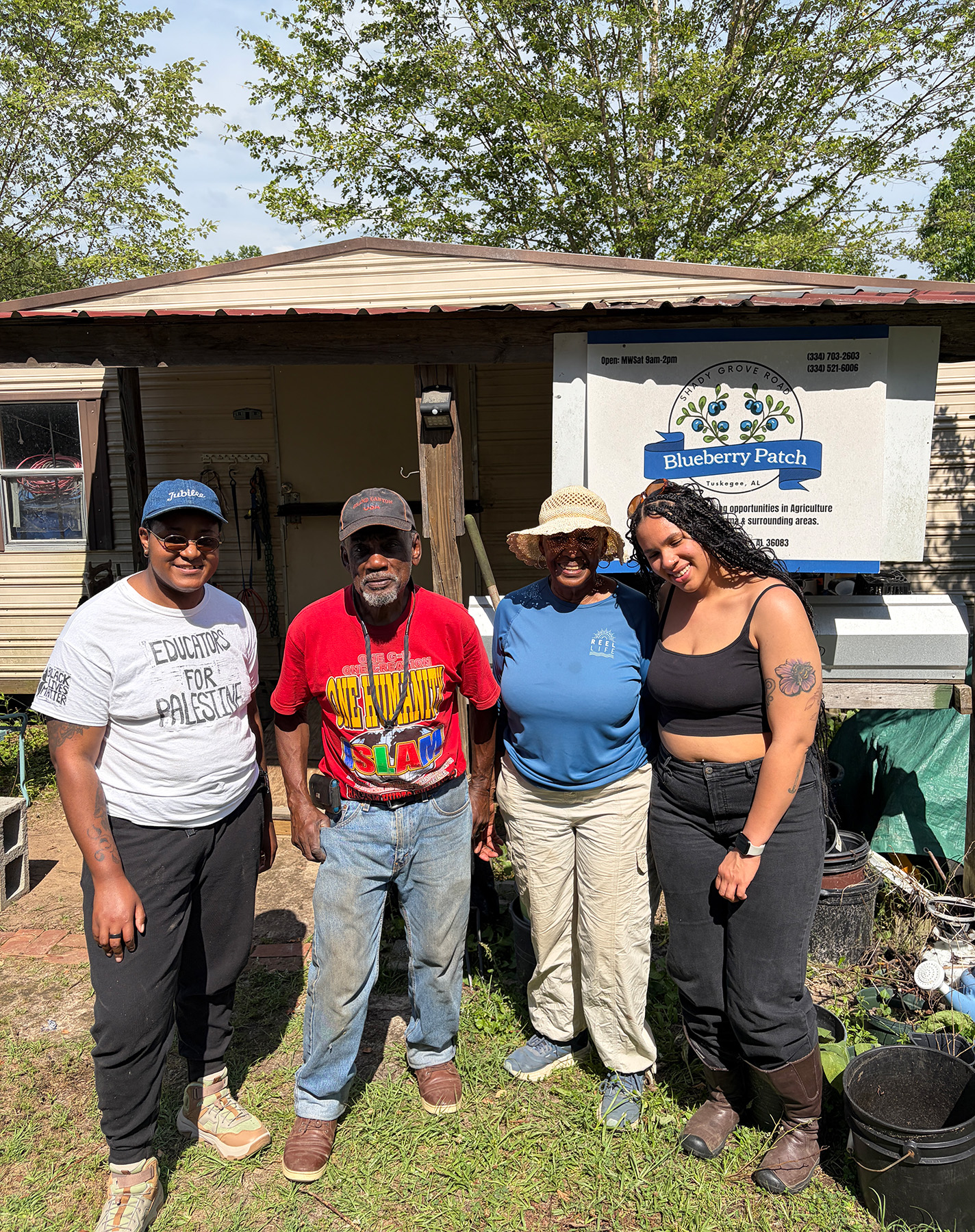
Rooted in the Danish folkehøjskole model and Southern Black folk traditions, the idea for the newly announced Olamina Folk School for Land, Memory, and Craft in Tuskegee, Alabama, emerged from Ashby Combahee and Jada G. Patterson’s complex experiences at Appalachian folk schools.
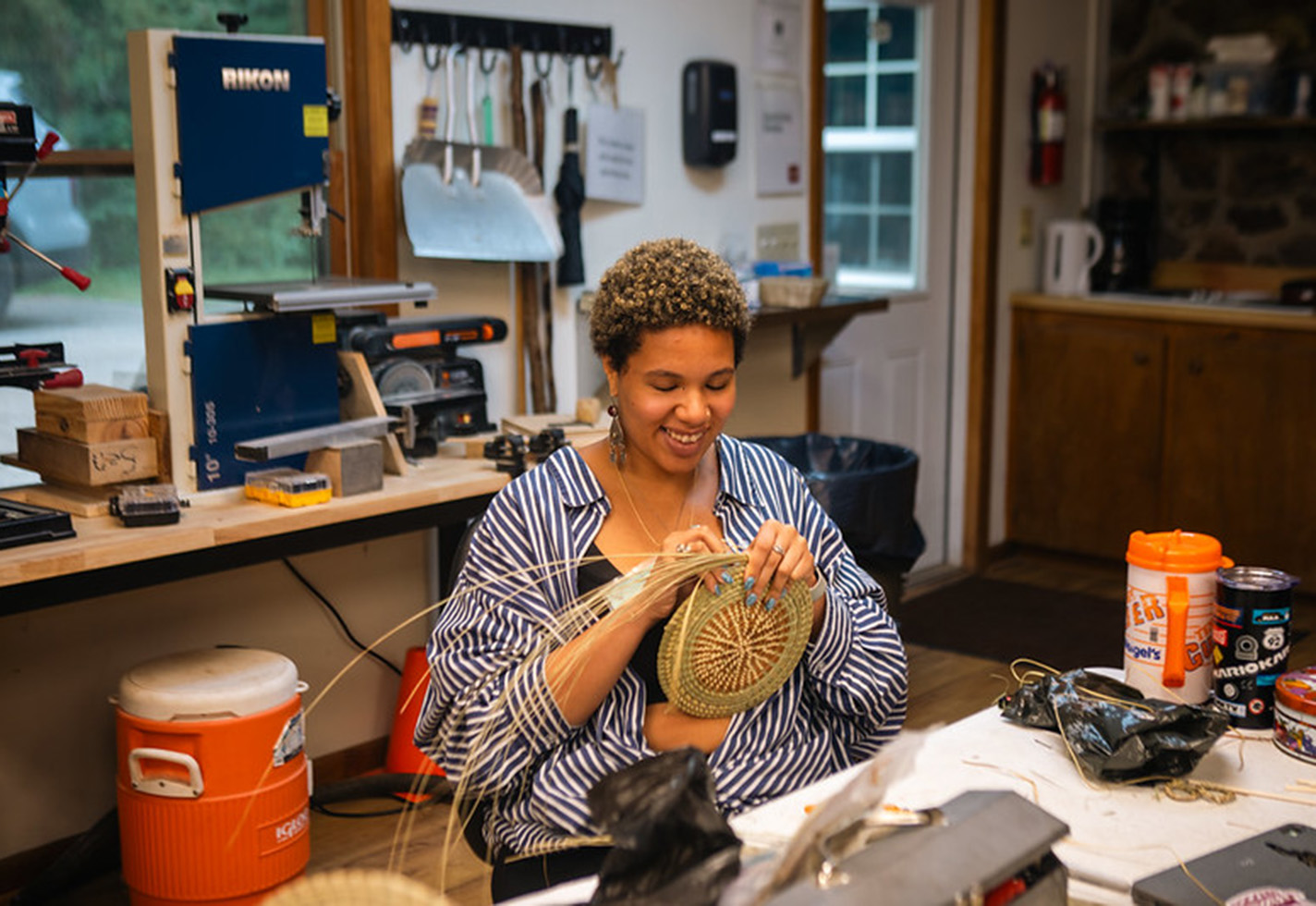
Combahee, a memory worker and musician who works as the librarian and archivist at Highlander Research and Education Center in Tennessee, wanted to bring the Nordic model’s emphasis on lifelong, liberatory learning to more people beyond the Center’s social justice purview. Multidisciplinary artist and craftsperson Patterson “feels the magic” when taking classes at rural folk and craft schools but acknowledges that the institutions themselves can be overwhelmingly white and isolating.
“When I talk to my family and friends,” Patterson says, “we have a history of blacksmiths, woodworkers, and beekeepers deep in our ancestry—and it’s not often represented when you go to these spaces.”
Olamina—named after the main character in Octavia Butler’s 1993 sci-fi novel Parable of the Sower—seeks to create a transformative space for craftspeople, farmers, and workers of color to connect, learn, and build a better future for their communities.
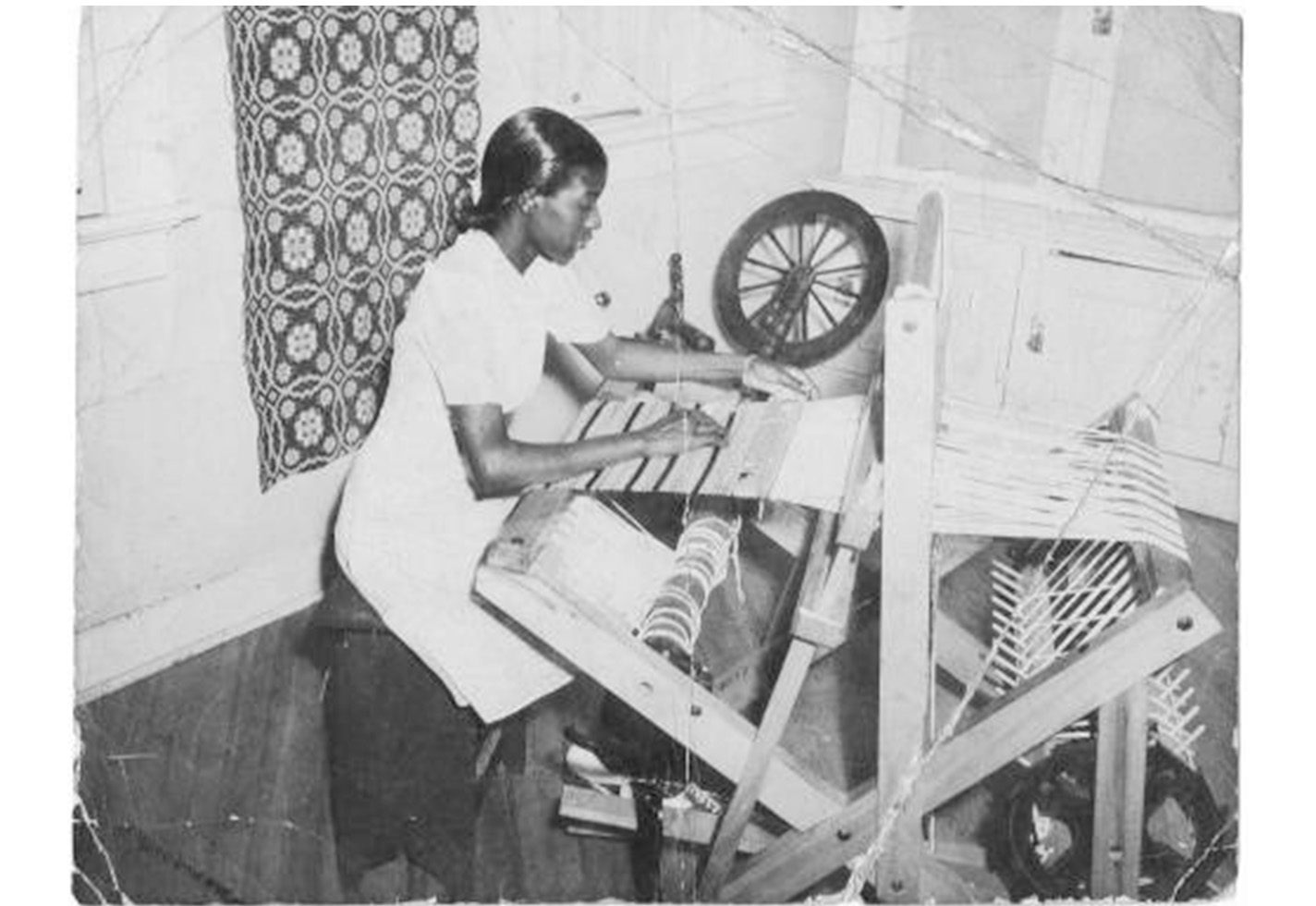
A student in tapestry class at what is now Tuskegee University, circa 1920.