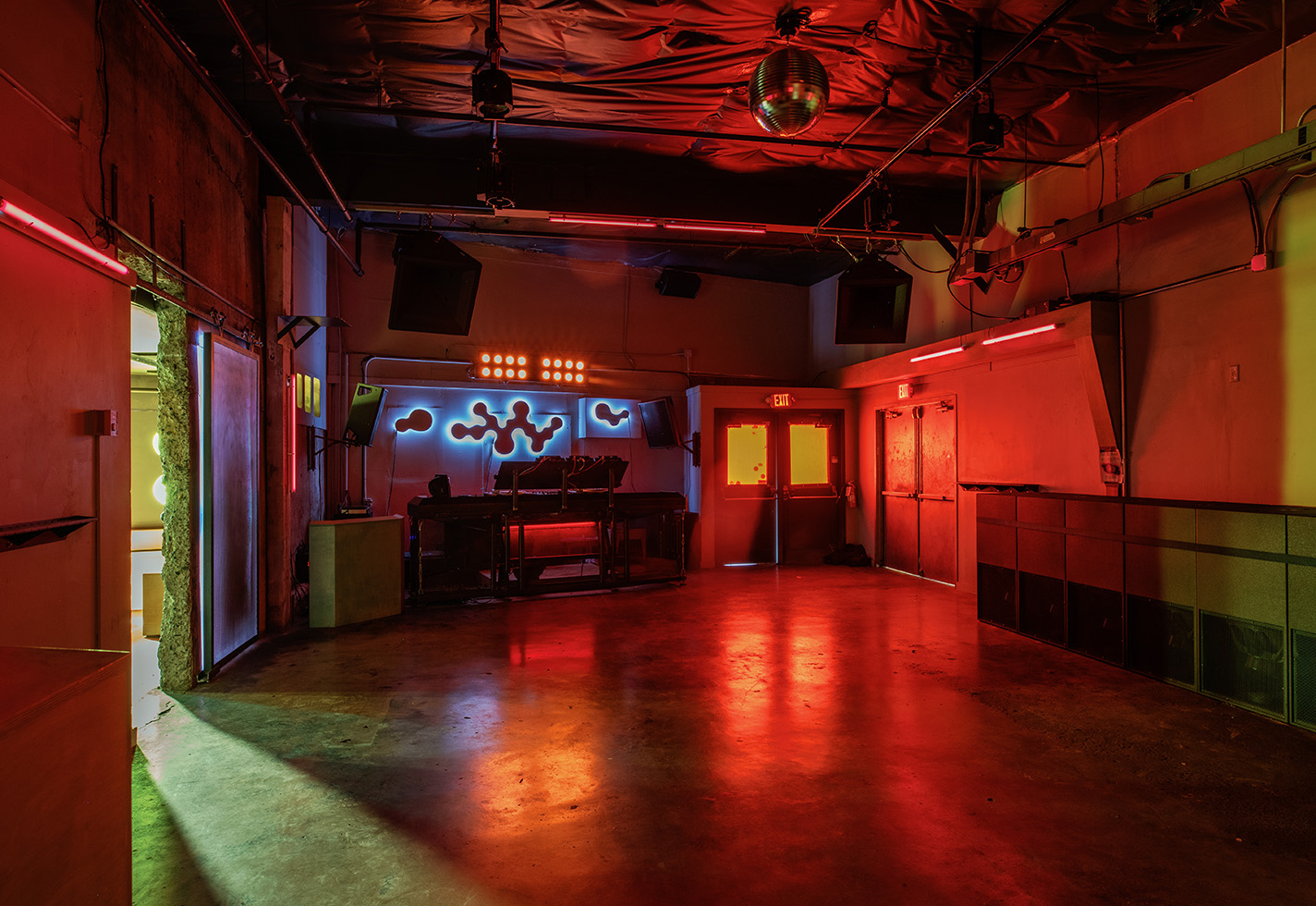
For DJs, a booth is not just a placeholder for turntables, CDJs, and other instruments. It’s a surface that needs to function as a tool too, according to Seattle-based millwright and metalworker Tyler Morrison.
A former DJ himself—he still helps organize techno and electronic music shows around the Pacific Northwest—Morrison has found a niche building booths inside music spaces and clubs. “It’s super fun that I get to serve my community in this way,” Morrison says. “It’s like if you’re a chef and you finally get to cook for your friends.”
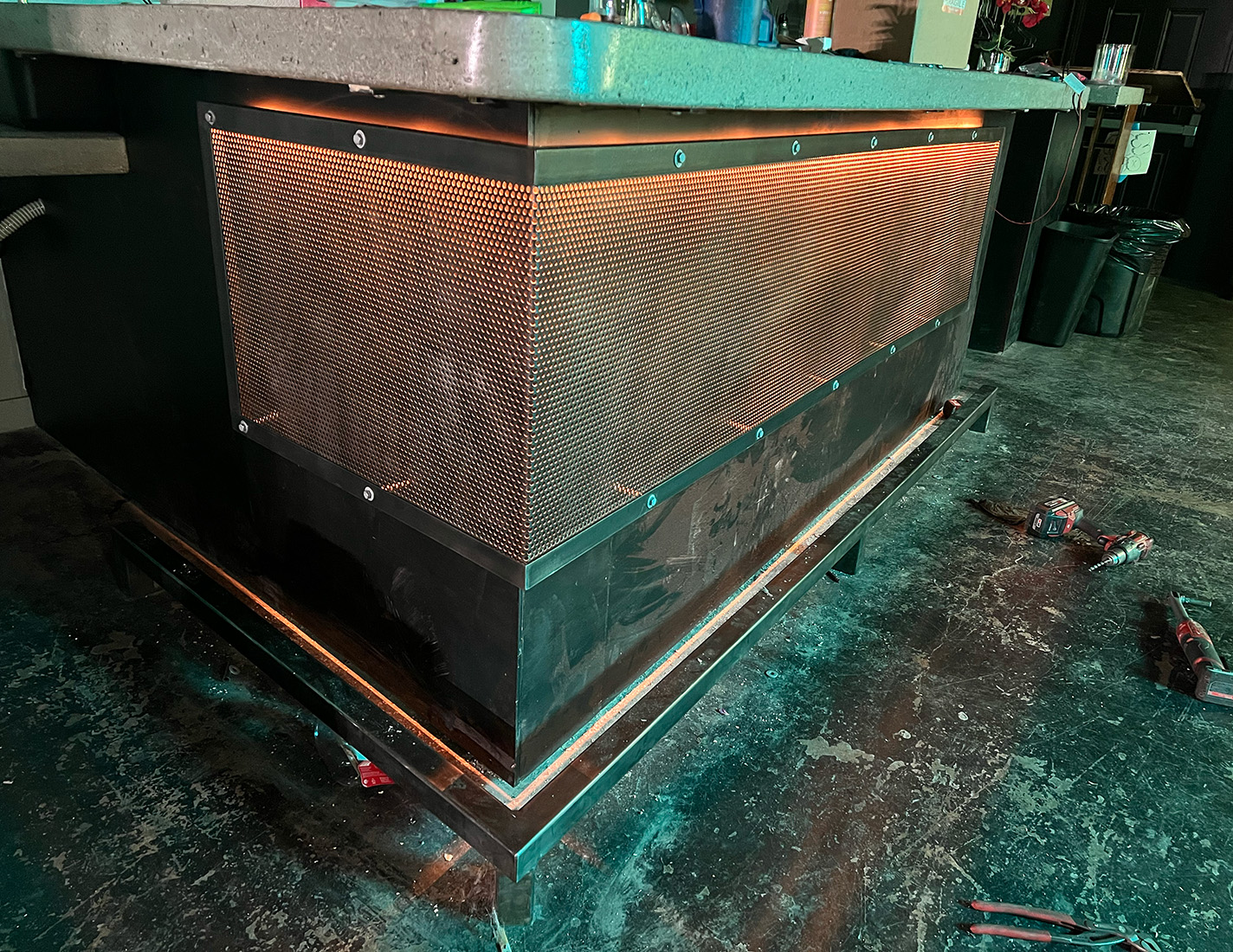
When Morrison built the DJ booth for Process PDX, a Portland, Oregon, club and rave space that opened in 2024, he realized a long-held vision for a booth that operates under the principle of tensegrity: the surface appears like it’s floating, with cables rated to support over 13,000 pounds holding up it through tension and compression. “It occurred to me that, actually, that could have some real functional use, in terms of isolating a surface from the floor on which it sits,” he says.
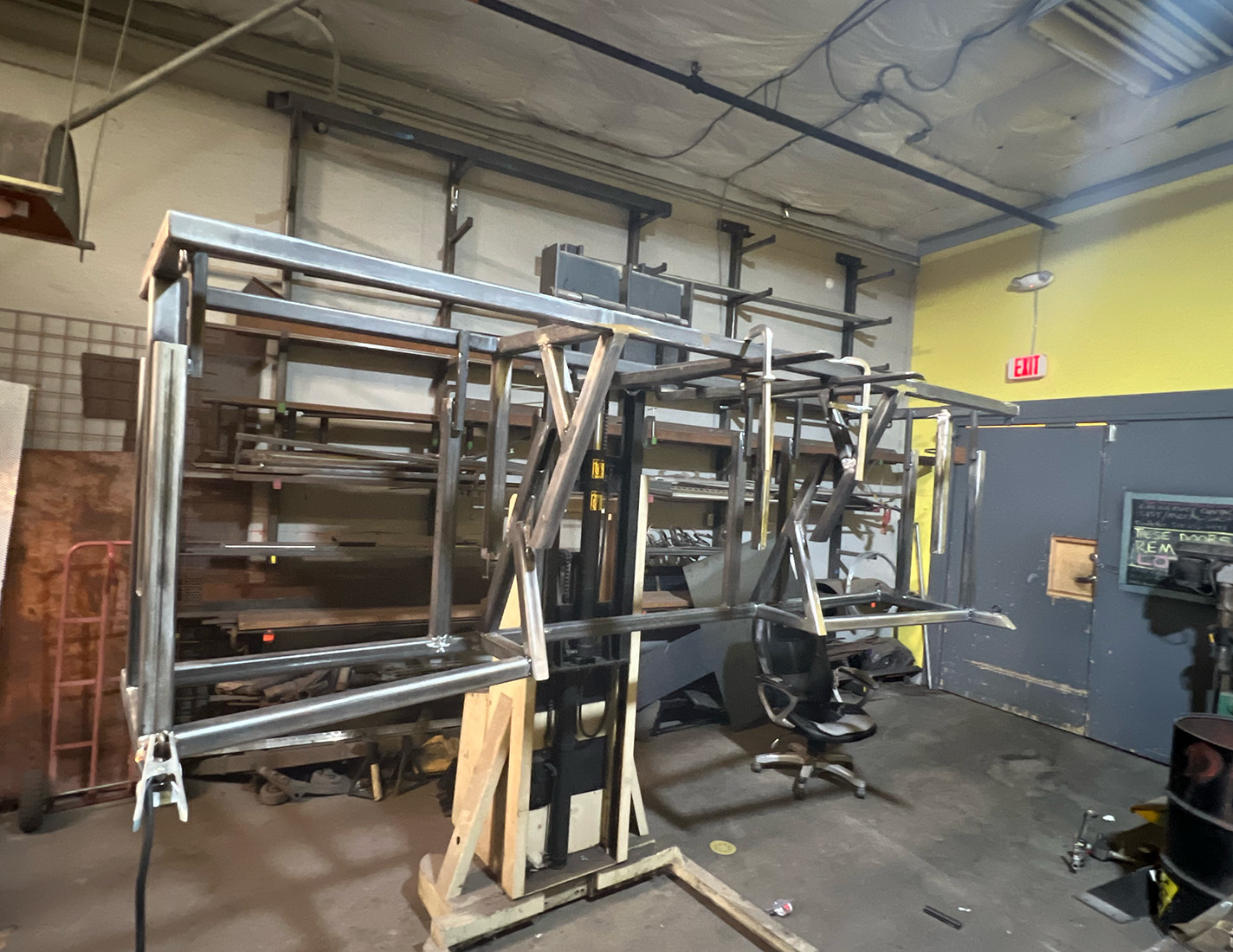
Morrison starts every booth as a 3D model, iterating designs with collaborators before fabricating the structure in steel. Depending on the project and access to a shop, the build can unfold in phases over many months. The booth at Process, for instance, took almost a year off and on.
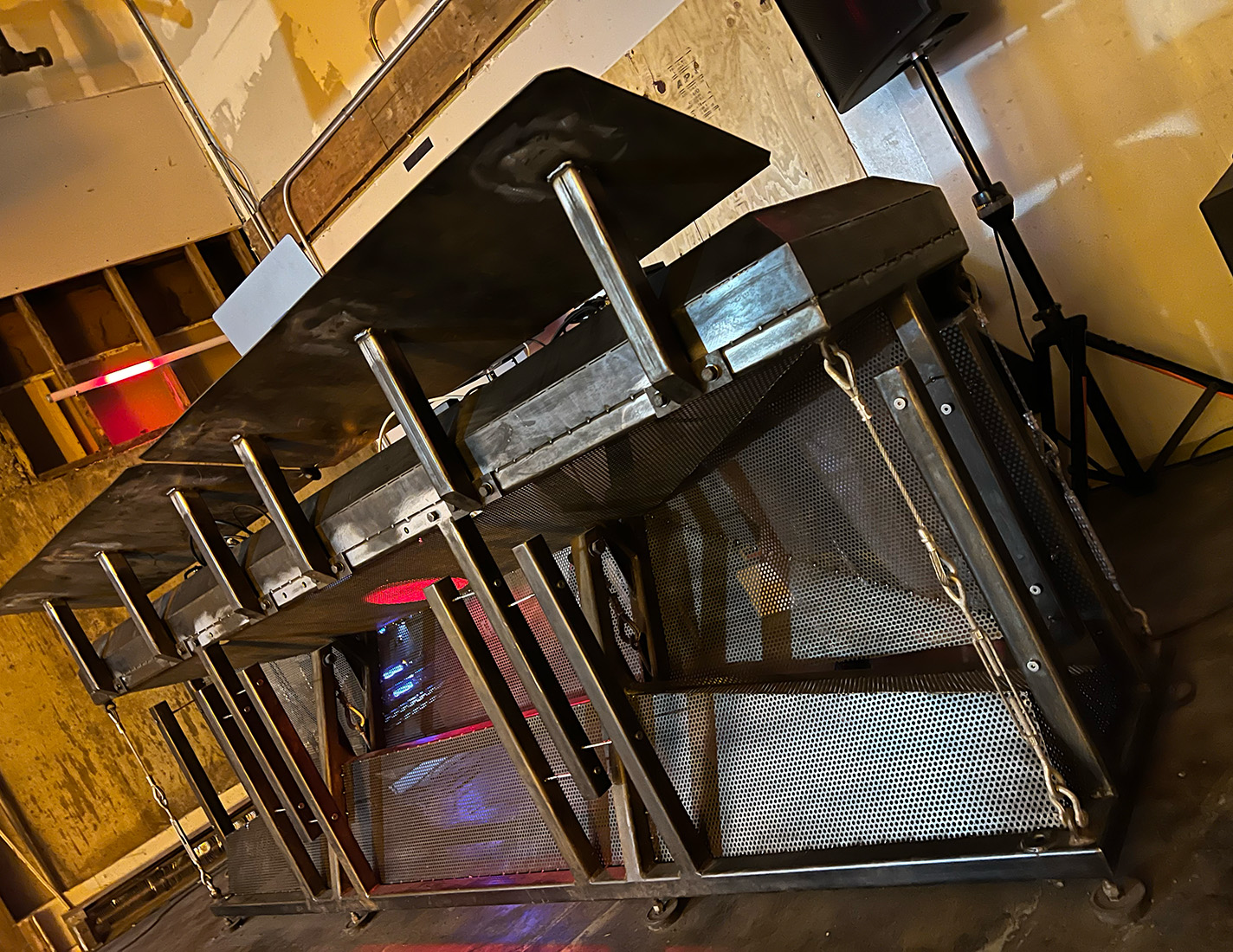
A DJ booth during the fabrication process. Here, its steel cables and the perforated steel plates have been added.