Craft Around the Country

Ghanaian Fantasy Coffins Ferry People to the Afterlife in Style

A new exhibition at the Museum of International Folk Art in Santa Fe turns the spotlights on the artists behind these colorful, imaginative coffins.

By Jacqueline Huynh Young
October 26, 2026

Photo by Tamara Hill

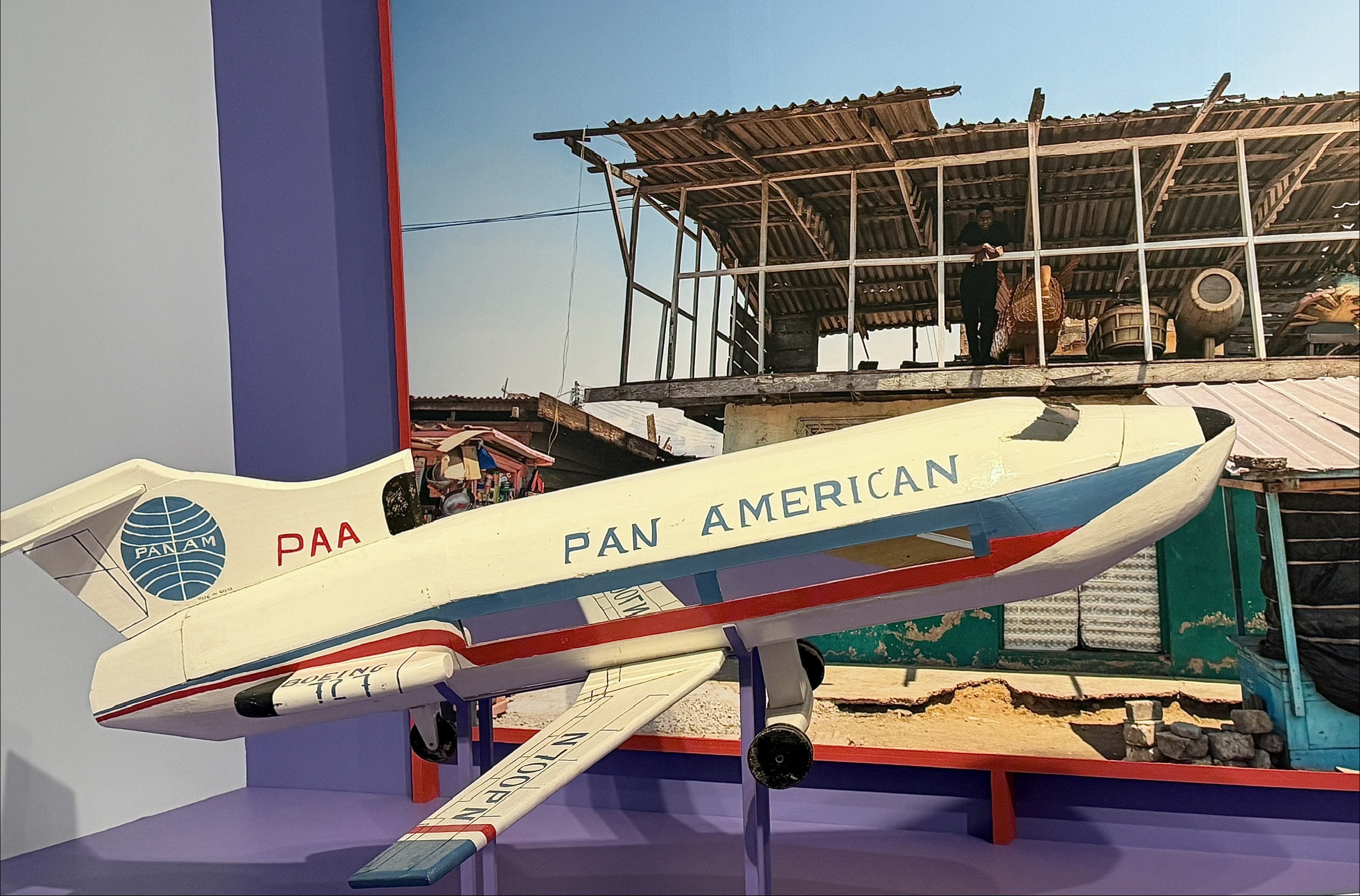
Seth Kane Kwei, Pan Am Airplane, ca. 1975, wood, synthetic glass, fabric, 106.5 x 81 x 29 in.

Ghanaian highlife music plays on the boombox and light filters through swirling sawdust at the Kane Kwei Carpentry Workshop in Teshie, Ghana. Around the shop, coffin makers work mostly with hand tools, sawing and planing wood for coffins that might take the shape of a red snapper, a beer bottle, an audio mixer, or any number of improbable objects before painters finish them off with layers of glossy enamel.

This craft tradition is at the center of The Art Underground: Fantasy Coffins of Ghana, on view through September 5, 2027, at the Museum of International Folk Art in Santa Fe. The exhibition brings together more than 20 hand-carved coffins, including new commissions, by Ga artists connected to Kane Kwei’s workshop. An accompanying catalog from Museum of New Mexico Press includes images of coffins and funerary rituals and contains interviews with artists, scholars, and curators.

Curator Mark Sloan first visited the workshop in 2019, initially drawn to the wit and spectacle of the coffins. As he learned more about the cultural beliefs behind them, he wanted to tell the story of how the workshop’s influence spread across generations.
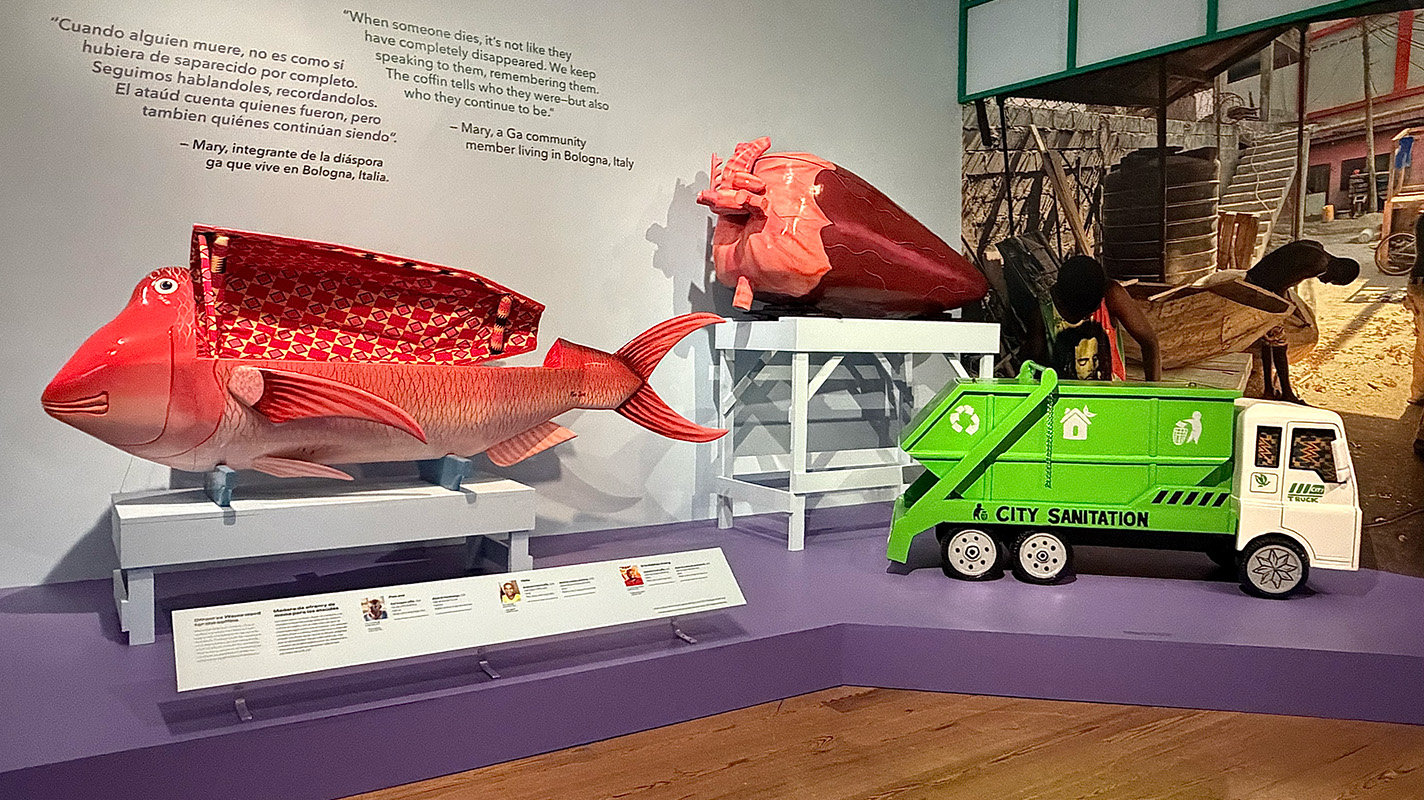
Photo by Tamara Hill

FROM LEFT: Paa Joe, Red Snapper, 2024, paint, wood, metal hinge, fabric, 9 x 44 x 36 in. Hello, Anatomical Heart, 2024, paint, wood, metal hinge, fabric, 36 x 88 x 30 in. Eric Adjetey Anang, Sanitation Truck, 2024, paint, wood, metal hinge, fabric, 40 x 31 x 78 in.

The making of fantasy coffins dates back to the late 1950s, when a Ga chief commissioned carpenter Seth Kane Kwei to build a cocoa-pod palanquin; the chief died before he could use it and was buried inside instead. Not long after, Kane Kwei made an airplane-shaped coffin for his grandmother, who had wished to travel beyond Ghana, so she could journey the world in the afterlife. Over the following decades, other coffin makers took up the practice, creating coffins that reflected the lives of the people they were made for.

Among those represented in the exhibition is internationally renowned sculptor Paa Joe, who spent years apprenticing under Kane Kwei before opening his own shop, where his son Jacob Tetteh-Ashong now works alongside him. Daniel Mensah, better known as Hello, later trained under Paa Joe and founded Hello Design Coffin Works. The original workshop remained in Kane Kwei’s family, passing to his son Cedi Anang Kwei and then to his grandson Eric Adjetey Anang, who runs it today and collaborated with Sloan on the exhibition.

For the Ga, Sloan explains, death marks a passage into the ancestral realm, where the dead remain powerful presences in the lives of the living. A coffin can become, as he puts it, “a kind of poetic biography of someone carved in wood.”

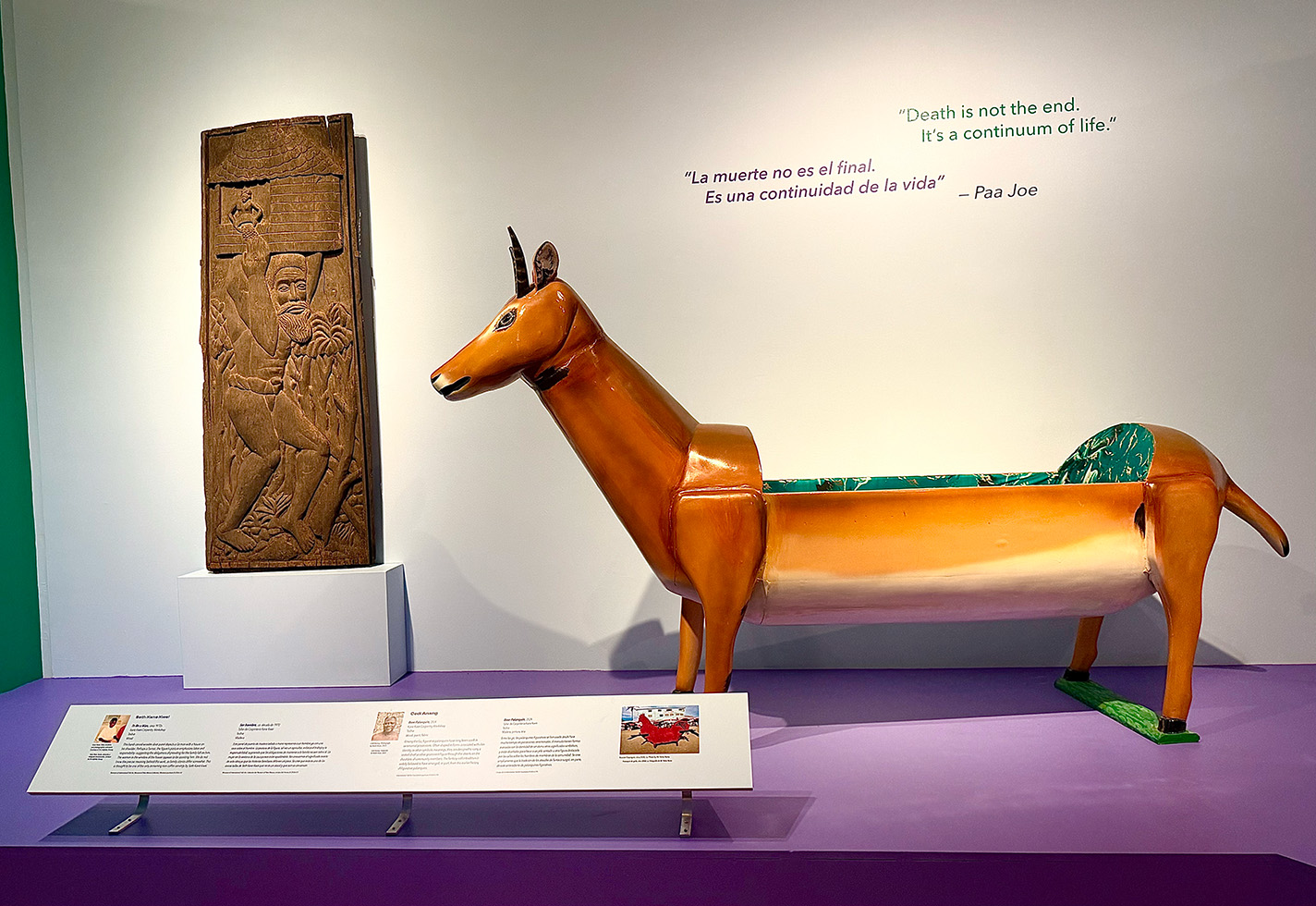
Photo by Tamara Hill

Cedi Anang, Deer Palanquin, 2024, paint, wood, fabric, 64 x 116 x 34 in.

Jacqueline Huynh Young is a Vietnamese American artist and writer based in Los Angeles. 

Learn more about The Art Underground online.

Website Instagram

Before you go!

We believe that making creates a meaningful world, and we hope you do, too. Deeply researched and impactful journalism on the craft community is in short supply. At the same time, being featured in craft-centered media and articles can have a major effect on a maker’s or artist’s livelihood, particularly those who are just starting in their career. You can help support our mission and the work of makers around the country by becoming a member or by making a gift today.

Thank you!
American Craft Council