Craft Around the Country

Stitch by Stitch, Side by Side

In a Montana workshop, husband-and-wife team Dan and Julia Schwarz build custom cowboy boots and pass on the skills of the trade.

By Amy Erickson
April 2, 2026

Photo courtesy of Schwarz Custom Boots

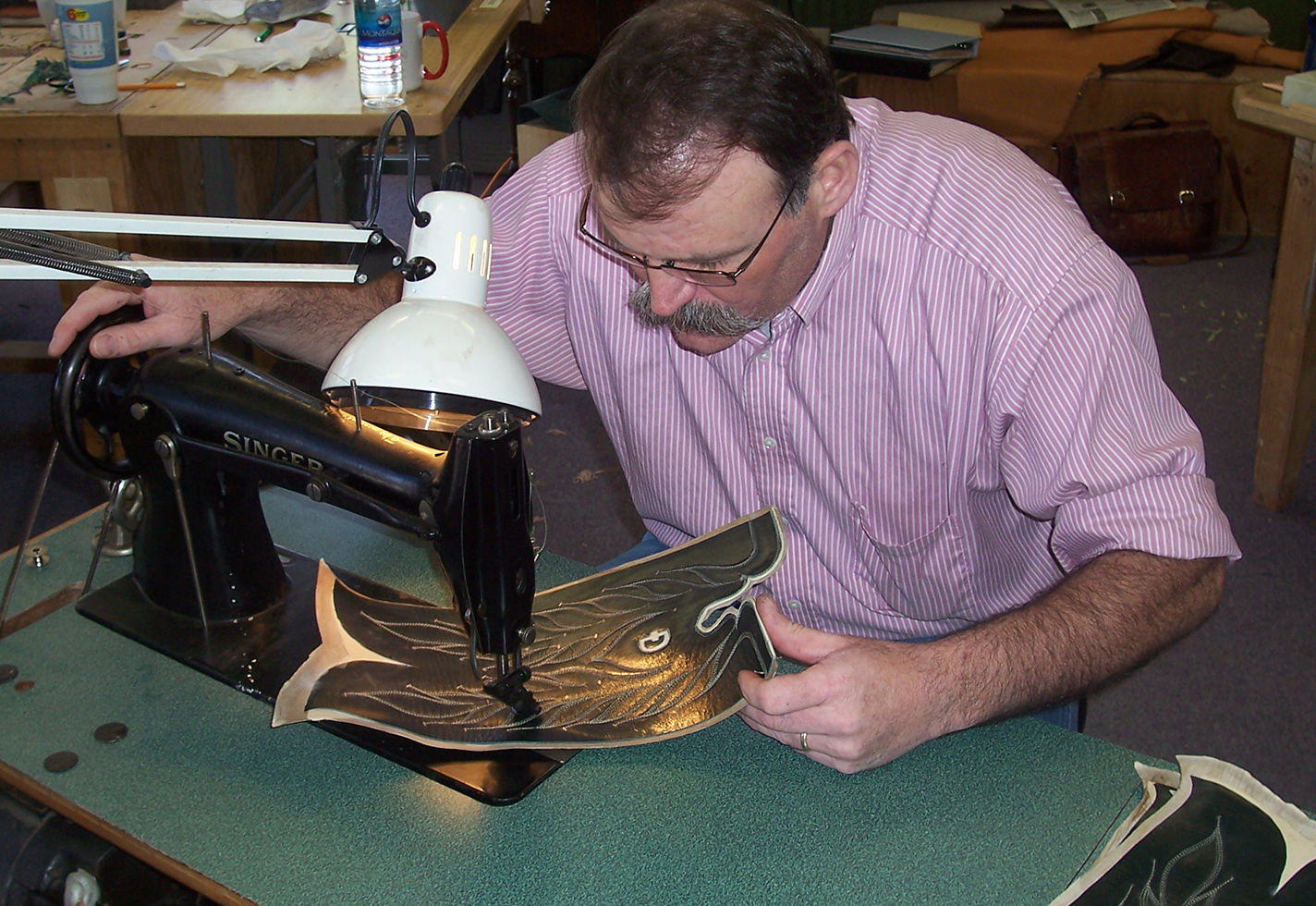
Montana bootmaker Dan Schwarz sews cowboy boot tops.

Inside a workshop in the southwest Montana town of Dillon, a distinct aroma settles into the room before visitors notice the benches, tools, or rows of wooden lasts lining the walls. “The smell of leather is always the first thing people notice,” Julia Schwarz says. “You walk in the door and that’s what greets you.” Dan and Julia Schwarz move through the shop, each focused on a different stage of the same task: building custom cowboy boots.

The pair run their shop, Schwarz Custom Boots, with a clear division of labor. Dan handles the bottom work—soles, heels, and structural components—while Julia focuses on the top work: uppers, stitching, and decorative elements. The system keeps the work moving without overlap. As Julia explains, separating the process allows boots to move steadily through production rather than piling up at one stage.

Conversation in the shop comes and goes throughout the day. Sometimes the couple works quietly with music playing; other times, the talk shifts between the boots on the bench and the ordinary logistics of daily life. The routine reflects the rhythm they’ve developed over 20 years of working side by side.

Bootmaking entered Dan’s life somewhat unexpectedly. During the fall of 1997, he was raising Angus cattle, but when cattle prices dropped he began considering other options. A visit to Blacktail Bootery, a local repair shop in Dillon, changed his course. One conversation with the bootmaker eventually led to a complete shift in direction—he sold his cattle and took over the shop. In 2000, he formally studied the trade with veteran bootmaker Carl Chappell in St. Jo, a rural Texas town near the Oklahoma border.
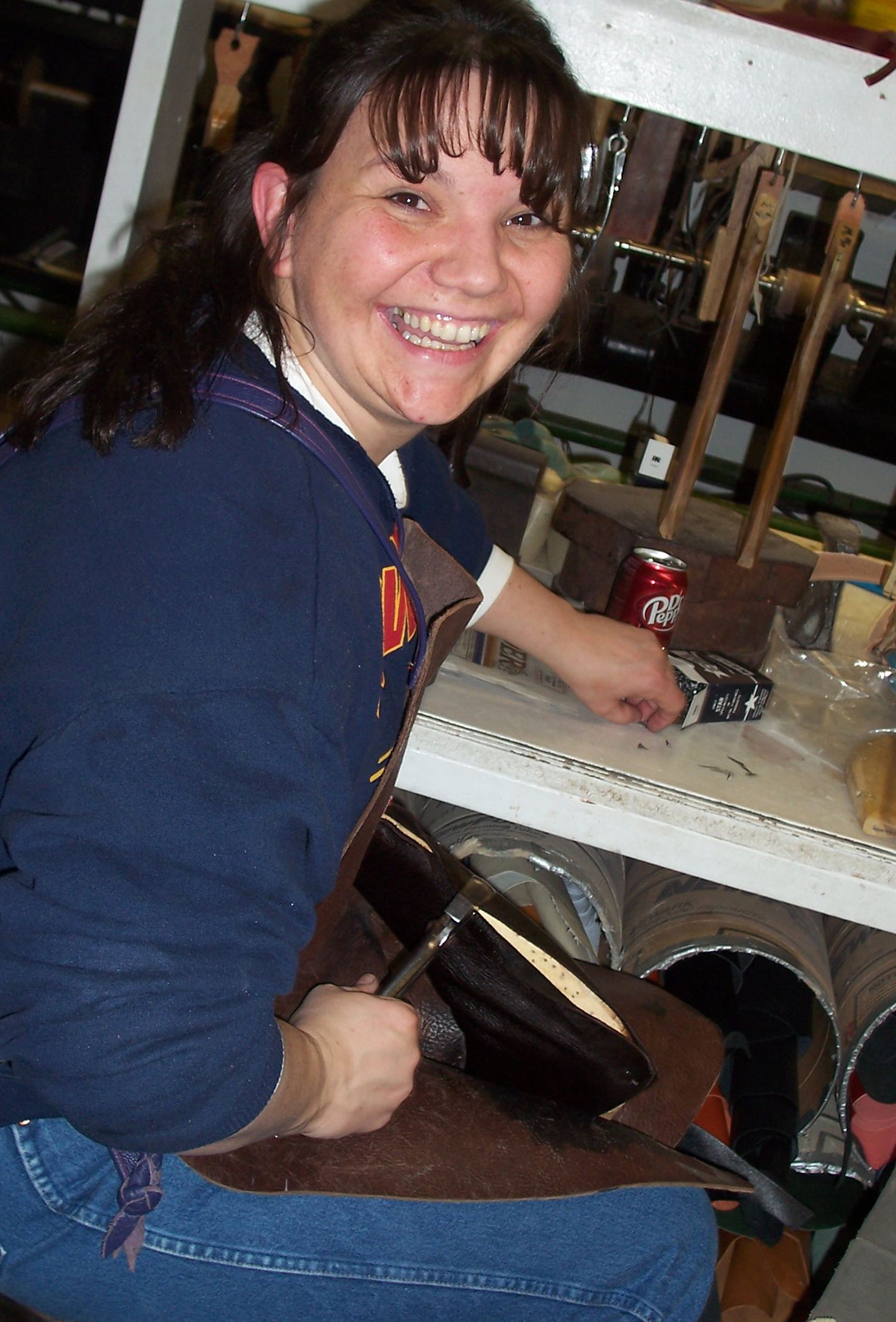
Photo courtesy of Schwarz Custom Boots

Julia Schwarz primarily works on the tops of the boots. Here she crimps a vamp, the boot's upper.

“The smell of leather is always the first thing people notice. You walk in the door and that’s what greets you.”

— Julia Schwarz

Julia came to the trade differently. As she puts it simply, she “married a bootmaker.” Over time, she learned the craft through daily work in the shop that would become Schwarz Custom Boots. 

Dan and Julia married in 2005, and the couple began working together in 2006 when Julia came to help Dan and his daughter in the shop. Her training grew from hands-on experience at the bench. The adjustment to working together wasn’t effortless at first. Looking back, Julia jokes that explaining the early years would take some time, but like many partnerships, the complications eventually settled into a workable rhythm.

Building a pair of custom cowboy boots remains one of the most detailed forms of leatherwork in the American West. The process begins long before leather is cut, starting with the client—measuring their feet, discussing fit, and working through design choices.

From there the work moves step by step: drafting patterns, cutting the leather uppers, stitching decorative shafts, assembling the boot, and turning it right-side out. The leather is then lasted over a wooden form before toe boxes, welts, shanks, soles, and heels are added. Each stage depends on careful execution of the previous one.

Photo courtesy of Schwarz Custom Boots

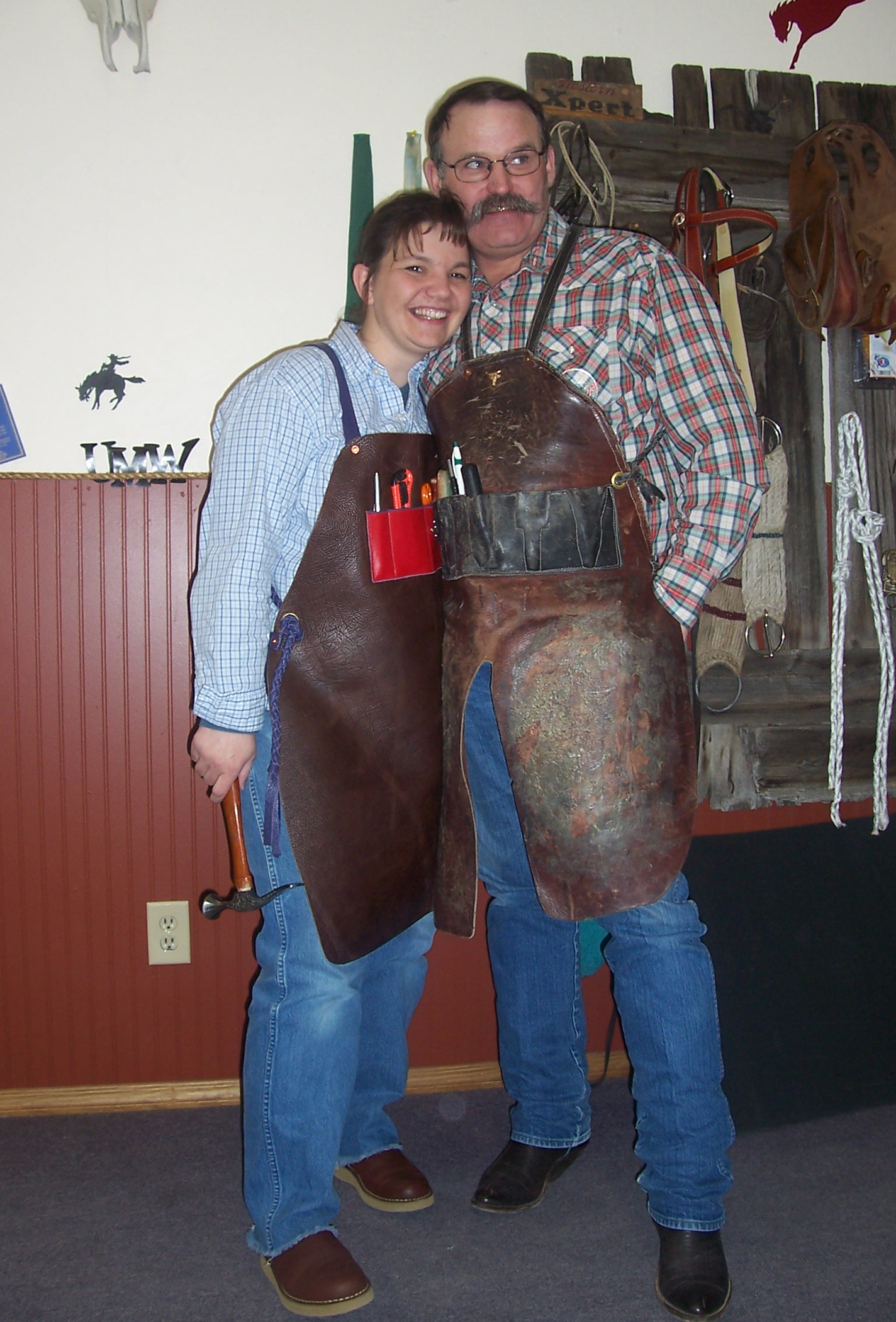
Dan and Julia Schwarz in work aprons.

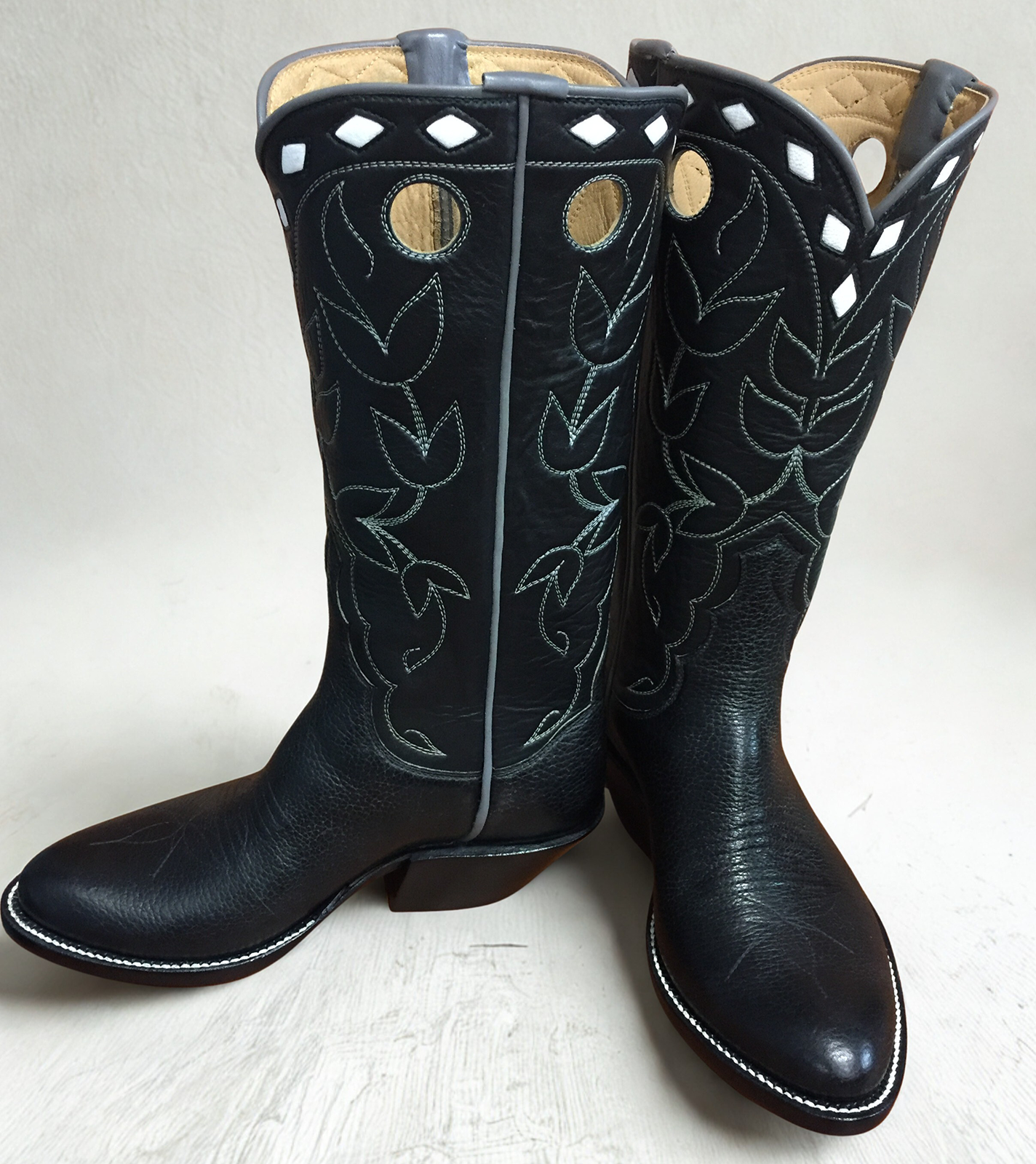
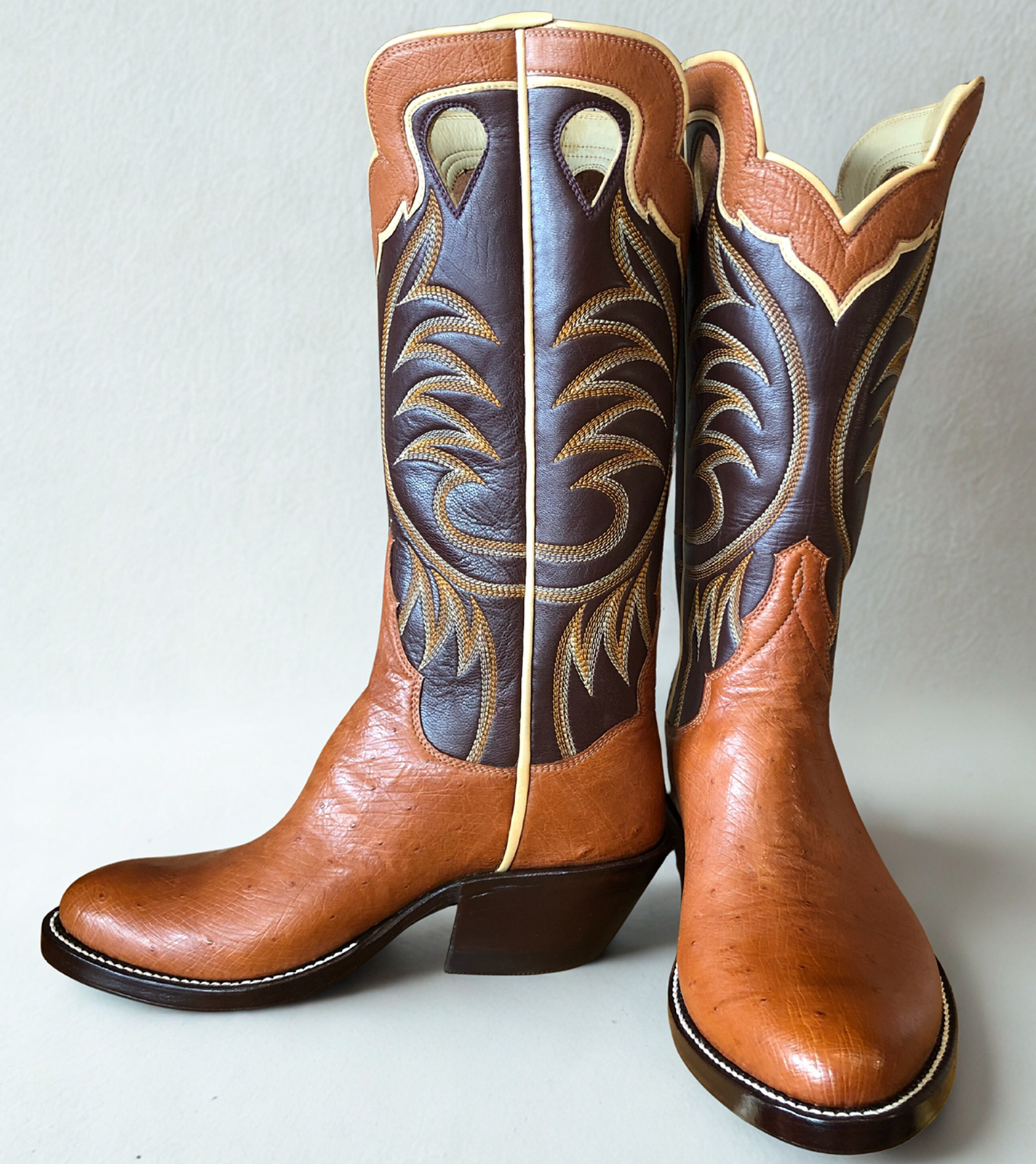
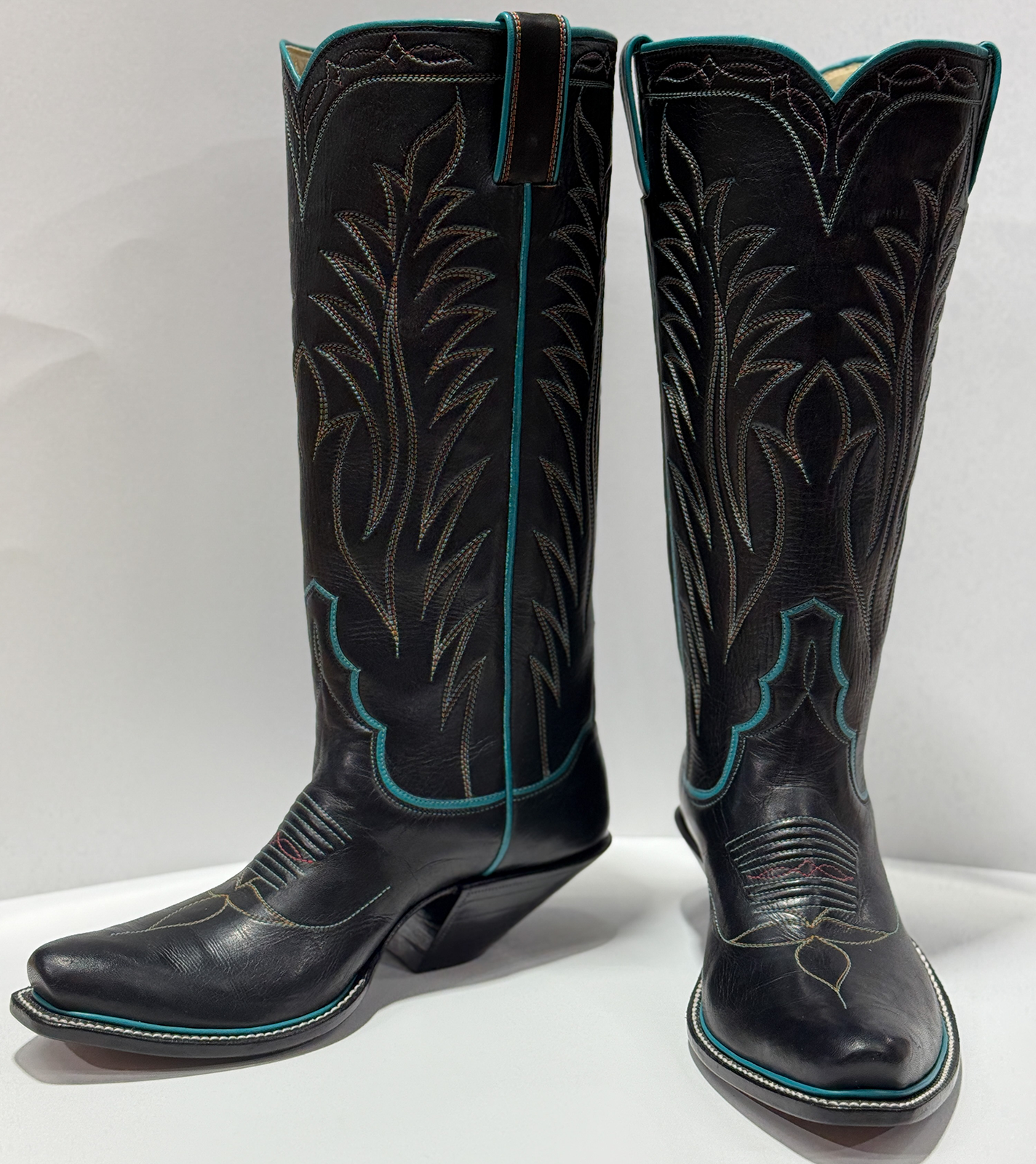
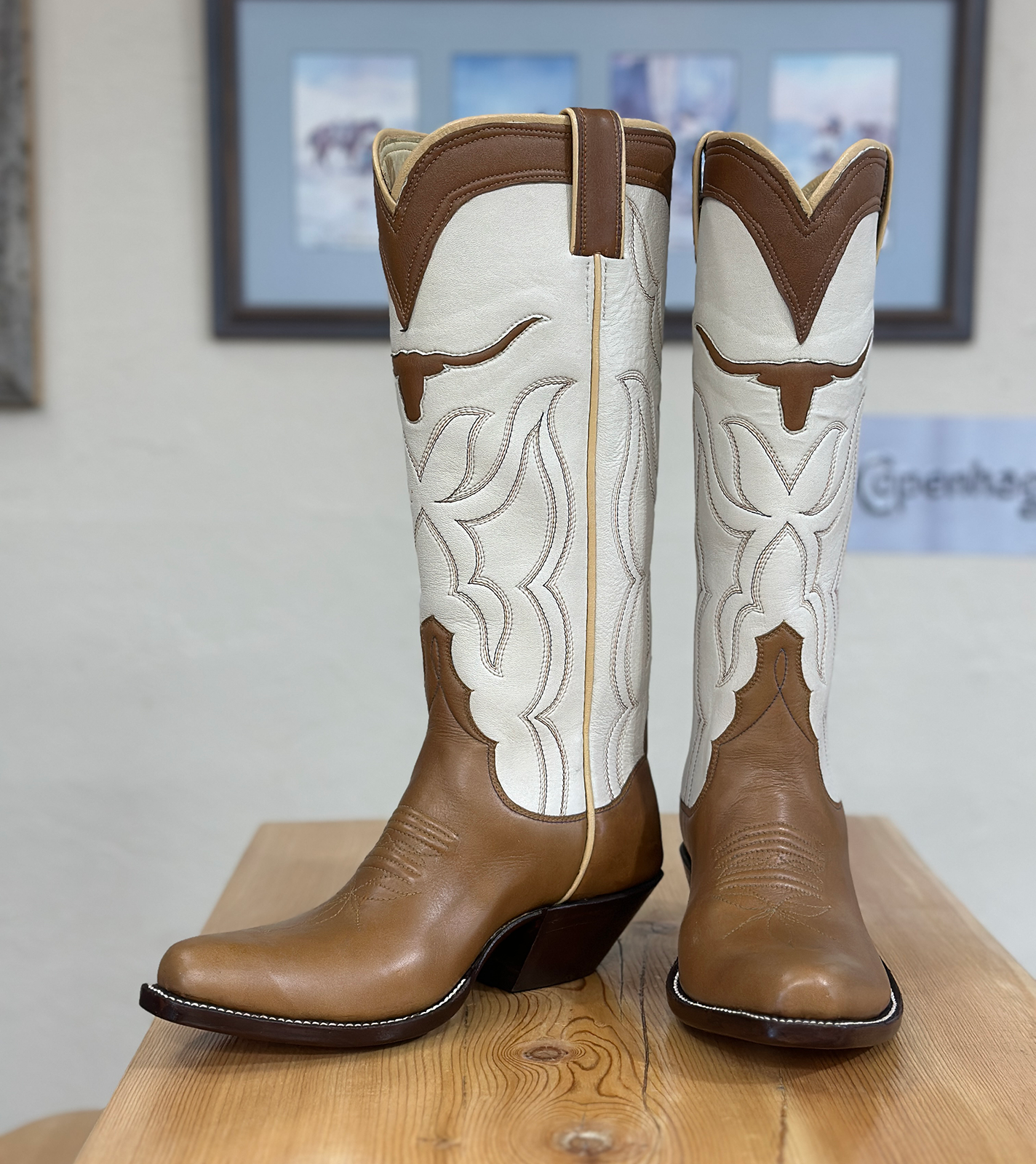
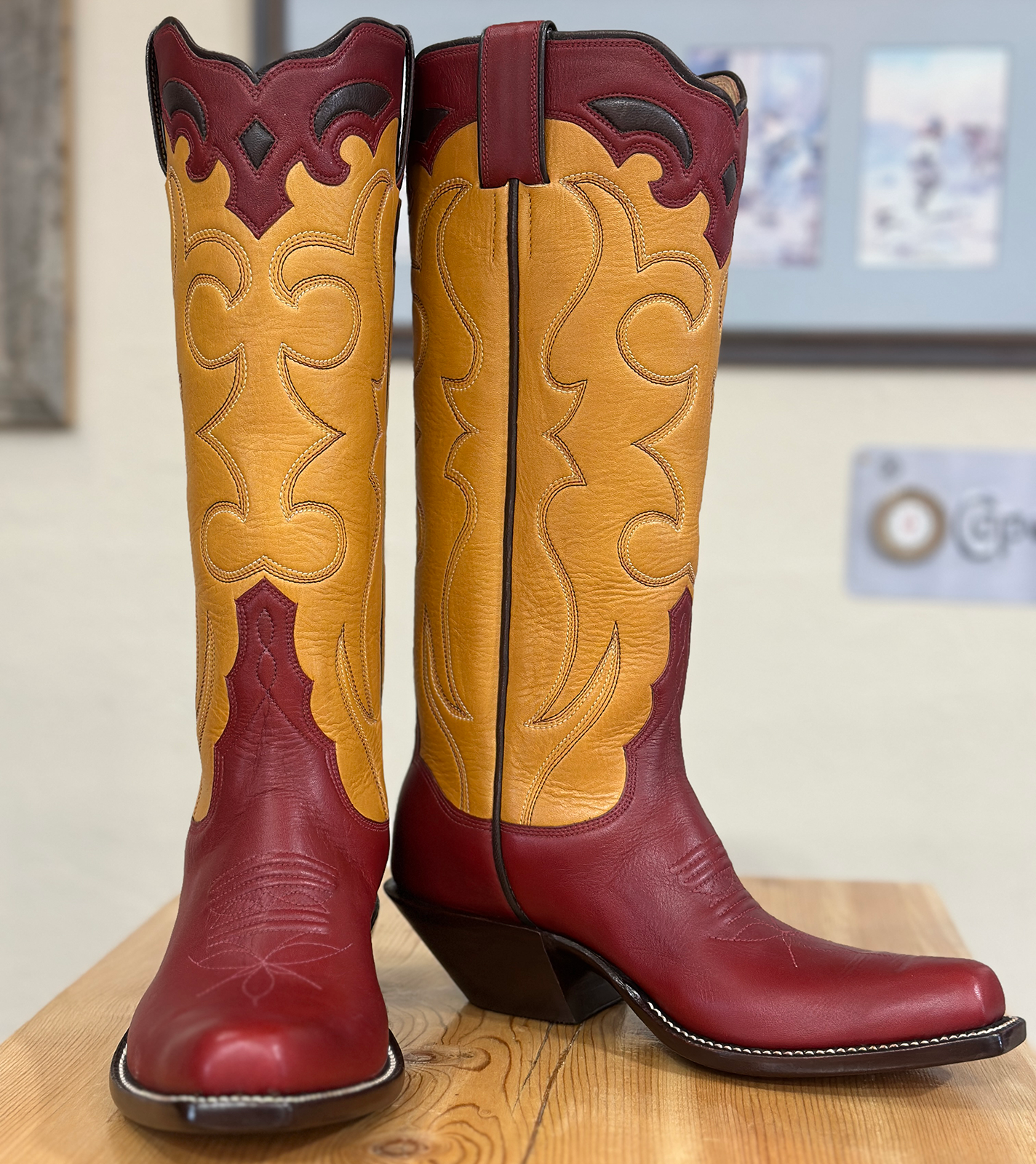
  • Photos courtesy of Schwarz Custom Boots

    A selection of leather boots made by the Schwarzes.

For the Schwarzes, the most meaningful moment arrives when the boots finally reach their owner. As Julia notes, the real satisfaction comes when everything comes together and the customer is happy with the result.

More than two decades ago, the couple began sharing their craft with students. The idea emerged when people started asking if they could learn traditional bootmaking. At the time, formal instruction in the trade was becoming harder to find, and the Schwarzes recognized a growing gap in how these skills were passed down.

The Schwarzes now offer intensive two-week courses in their Dillon shop. The classes have long days—often 12 hours—with only two students at a time. By the end of the course, each student produces a pair of traditional Western boots built to the measurements of their own feet.

The learning curve can be steep. According to Julia, the first challenge that consistently trips up students is skiving, the practice of thinning leather edges so they fold and stitch cleanly. The precision required often surprises beginners.

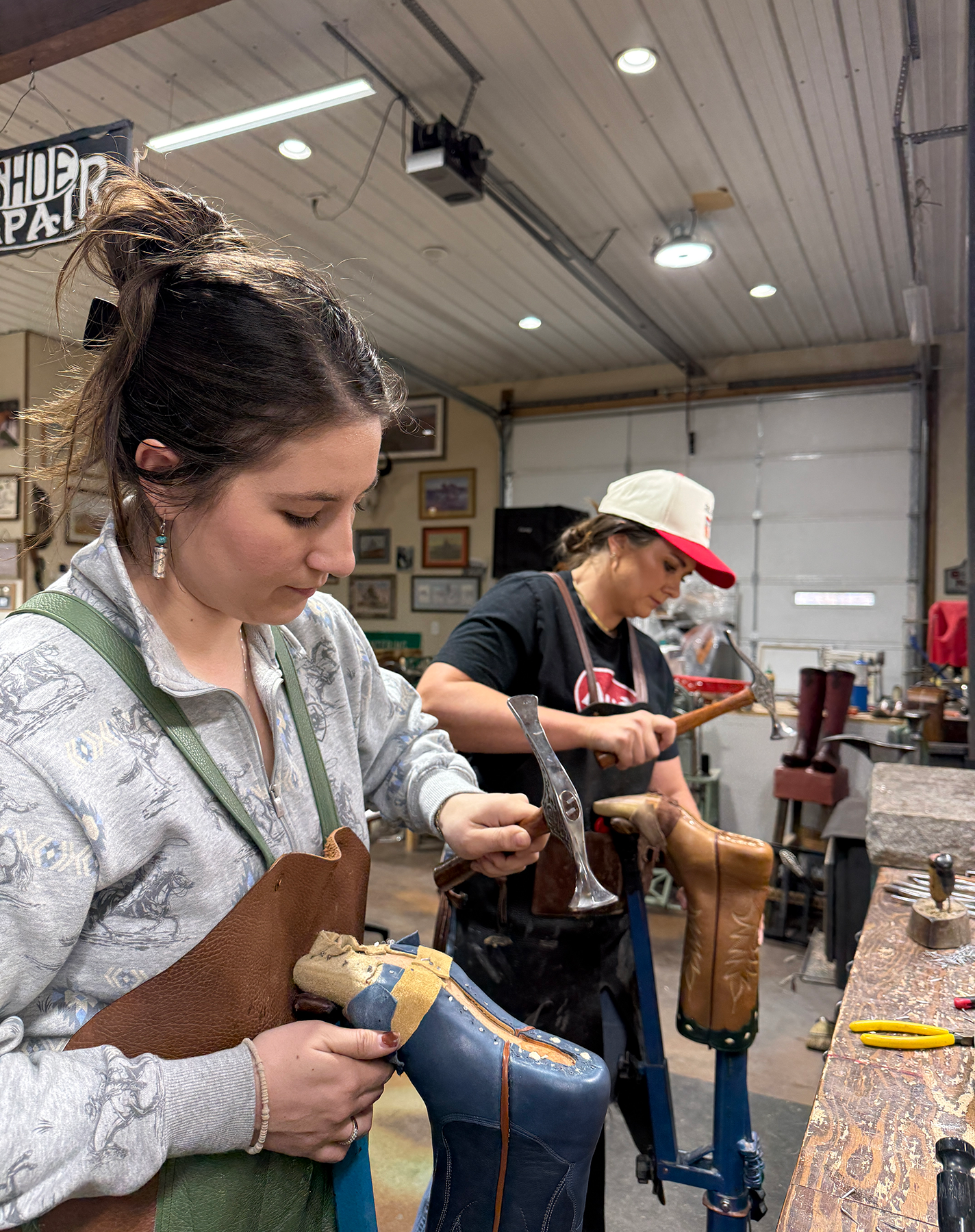
Photo courtesy of Schwarz Custom Boots

Students of the Schwarzes work on the toe boxes of their boots.

Students arrive with a wide range of motivations. Some are repair professionals hoping to expand their skills. Others are leatherworkers interested in mastering a more complex craft. A few come simply because they have never found factory boots that properly fit their feet. Several former students have gone on to establish shops and businesses of their own, among them Logan Phipps of Phipps Handmade Boots and Tack in Sidney, Montana, and Sheryl Katzke of Katzke Custom Leather in Redmond, Oregon.

Working together daily has also shaped the Schwarzes’ partnership. Dan admires Julia’s willingness to tackle challenging decorative designs and carry them through with what he describes as painstaking precision. Julia, in turn, sees Dan as a craftsman deeply invested in every stage of bootmaking and committed to producing the best possible work for both customers and students.

Interest in handmade cowboy boots has grown in recent years (partly fueled by the popularity of the TV show Yellowstone), reflecting a broader cultural fascination with Western style and craftsmanship. Julia notes that the renewed attention has been encouraging, particularly for the next generation of makers. Greater visibility, she says, helps ensure that the craft continues to find new practitioners. 

Still, for the Schwarzes, the core of bootmaking remains unchanged. Styles and decorative trends may shift over time, but the fundamentals endure. Fit—shaping a boot to the individual foot—remains central to the process, and Julia hopes the traditional methods used to achieve that fit continue to be preserved. The craft continues much as it has for generations—one pair of boots at a time.

Photo courtesy of Schwarz Custom Boots

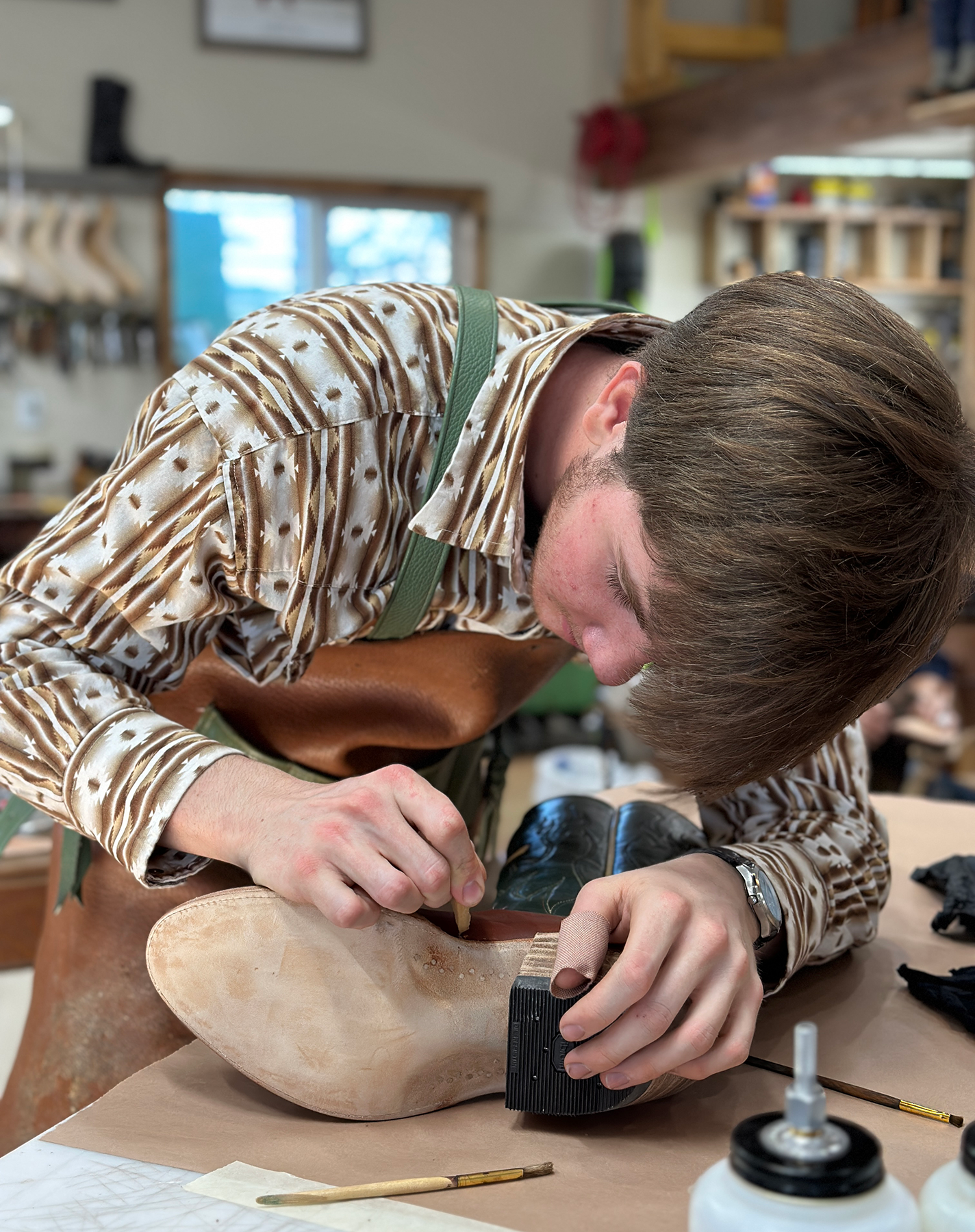
A student learns to do finishing work on the bottom of a pair of boots.

  • Photos courtesy of Schwarz Custom Boots

    Custom cowboy boots made by students of the Schwarzes.

Amy Erickson is a Wyoming-based western silversmith, engraver, and bit-and-spur maker specializing in hand-engraved jewelry and gear. 

Visit Schwarz Boots online.

Website

This article was made possible with support from the Windgate Foundation.

Before you go!

We believe that making creates a meaningful world, and we hope you do, too. Deeply researched and impactful journalism on the craft community is in short supply. At the same time, being featured in craft-centered media and articles can have a major effect on a maker’s or artist’s livelihood, particularly those who are just starting in their career. You can help support our mission and the work of makers around the country by becoming a member or by making a gift today.

Thank you!
American Craft Council