Interviews & Profiles

The Queue: Margaret Jacobs

Margaret Jacobs’s organic forms in steel and brass draw on influences from her Akwesasne Mohawk heritage.

In The Queue, the Upstate New York–based metalsmith discusses lineage and mentorship, why plants are central to her work, and an exhibition of her sculptures at BioPhilia Gallery in Grand Rapids, Michigan.

Interview by Kasey Payette
March 11, 2026

Photo by Jill Bornand

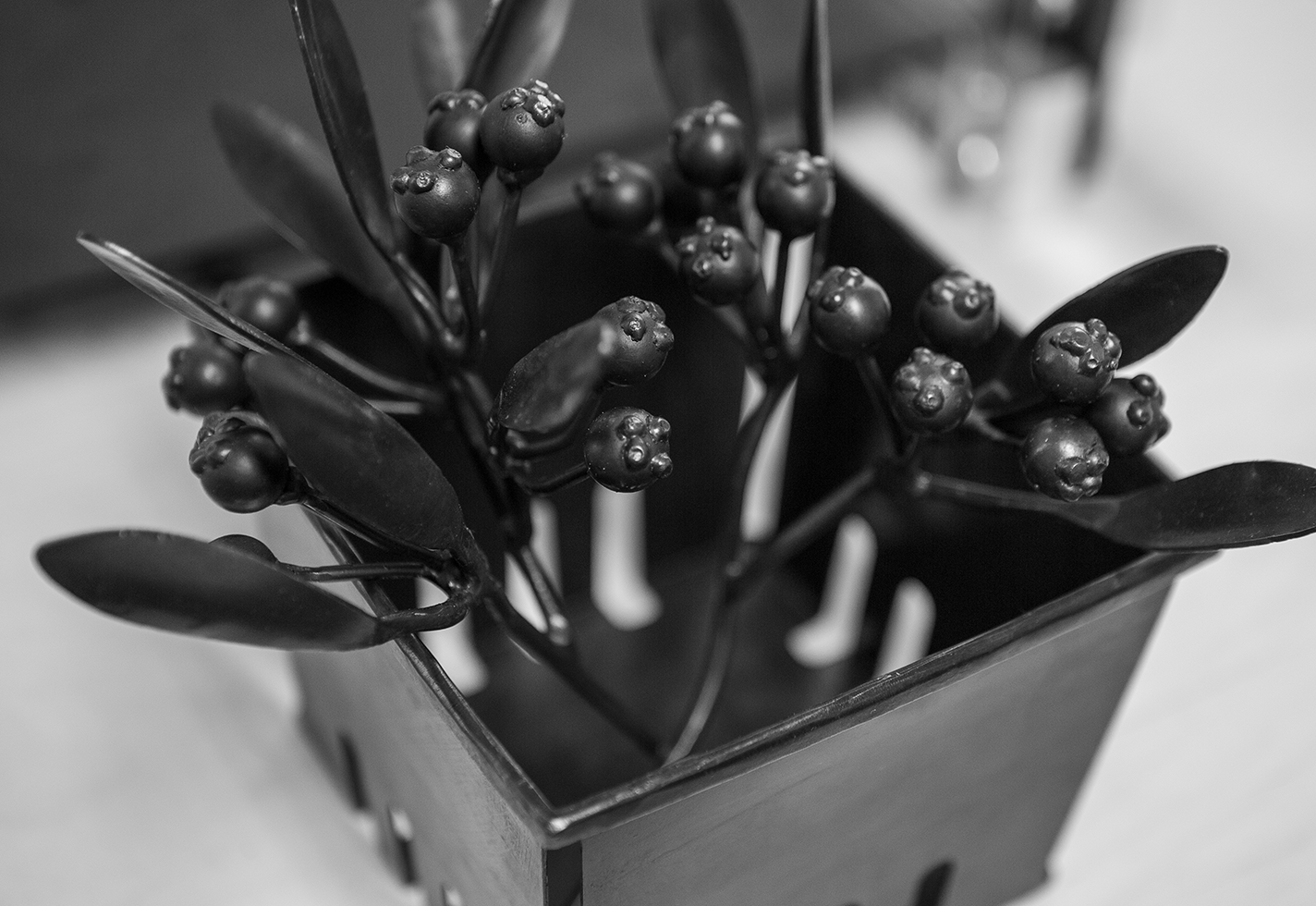
A detail shot of Margaret Jacobs's We Gather: Blueberry, 2024, steel, 9 x 9 x 9 in.

Metalsmith Margaret Jacobs’s organic forms in steel and brass draw on influences from her Akwesasne Mohawk heritage.

Margaret Jacobs’s work in metal often takes the form of plant life—a subject she says feels less like a choice and more like listening to stories that are asking to be told. In her sculpture and jewelry work, steel and brass—materials traditionally associated with infrastructure and industry—appear delicate, often taking the shape of food and medicinal plants tied to her Akwesasne Mohawk heritage. It’s this collision of man-made and natural that fascinates the Upstate New York–based artist, whose work has been widely shown and earned her numerous awards, distinctions, and residencies. Currently, she’s preparing for a solo exhibition at Middlebury College featuring work developed during a 2025 Winter Arts/Industry Residency at the John Michael Kohler Arts Center in Wisconsin. She’s also creating new pieces for group exhibitions at the Wassaic Project and the Iroquois Museum.

Jacobs’s work has been featured in print and online publications including Elle, Harper’s Bazaar, and American Craft—where her Mint bolo tie appeared in “It’s A Cinch” in the Fall 2025 issue.

How do you describe your work or practice in 50 words or less?

I am a Kanien’kehá:ka (Mohawk) metalsmith who creates fabricated steel sculptures and powdercoated jewelry that showcase kinship to botanicals, medicine plants, and the natural world. My work explores the lines of contemporary craft and art objects alongside Indigenous, historical, and personal narratives, creating layers of storytelling in my work.
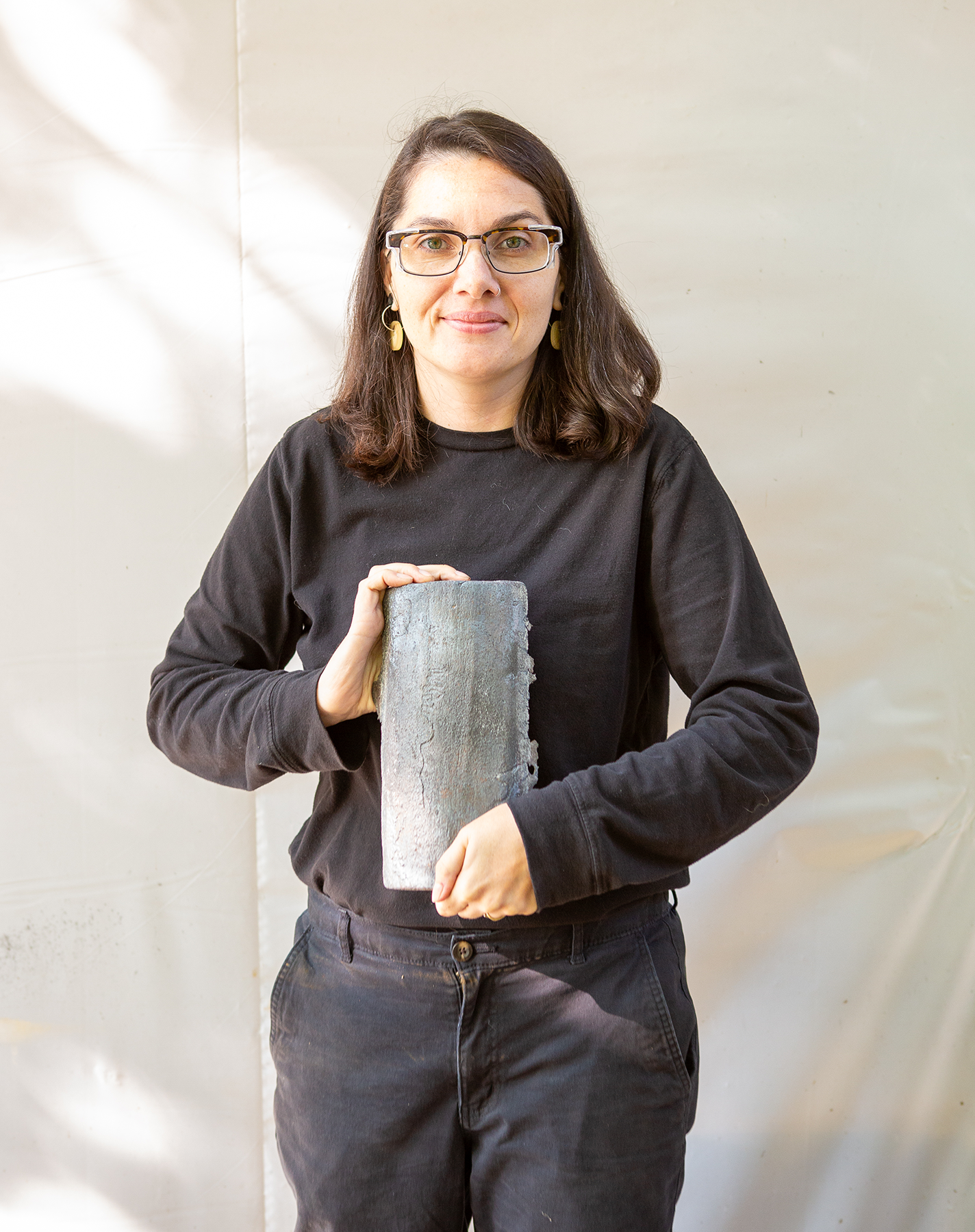
Photo by Jill Bornand

Jacobs with a casting she made at Salem Art Works in Upstate New York during her summer 2024 artist residency.

How did your love of craft begin?

My love of craft began in childhood. From early on, storytelling and making were integral parts of my life in northern New York. I grew up in a family that was always making and mending: fixing, building, creating, and valuing the labor of our hands. Creating wasn’t separate from daily life—it was woven into it. My parents made sure it wove in seamlessly.

Do you consider yourself part of an art or craft lineage? Who have been your greatest teachers?

Metalworking has long existed within Kanien’kehá:ka communities. My practice extends this lineage. I have been shaped by many teachers and mentors, each guiding me in different ways and at different moments in my journey. Brenda Garand played a foundational role in shaping the direction of my practice. My understanding of making is also informed by community members beyond metalwork, whose teachings in language, land, and cultural practice influence how I approach my craft.

Your bolo ties, which were featured in the Fall 2025 issue of American Craft, center food plants as a focal point of adornment. This emphasis on botanical subjects is also present in your sculpture. How did plants come to be so central to your practice?

Plants became central to my practice almost without my permission. No matter how much I tried to move away from them, they kept reappearing. A former student once said that sometimes the story wants to keep being told, and it stuck with me. The plants feel like living knowledge and carriers of memory, medicine, land, and relationship. 

Photo by Dasha Wright

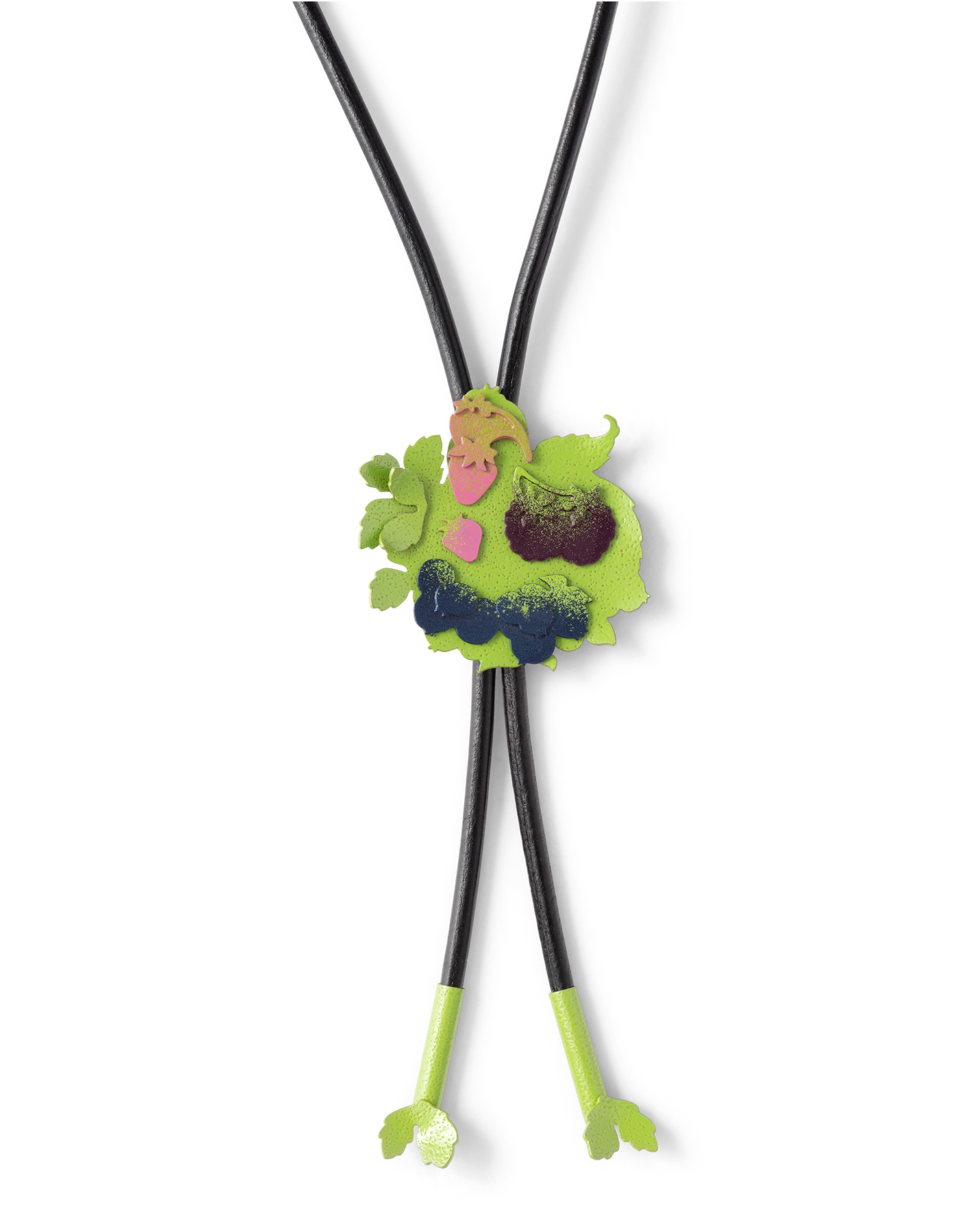
Electric Berry Bolo, 2023, powdercoated brass, leather, silver, 42 in. long.

  • Photos courtesy of the artist

    Bouquets for a New Era: Squash and Beans, 2025, steel, 24 x 12 x 6 in.

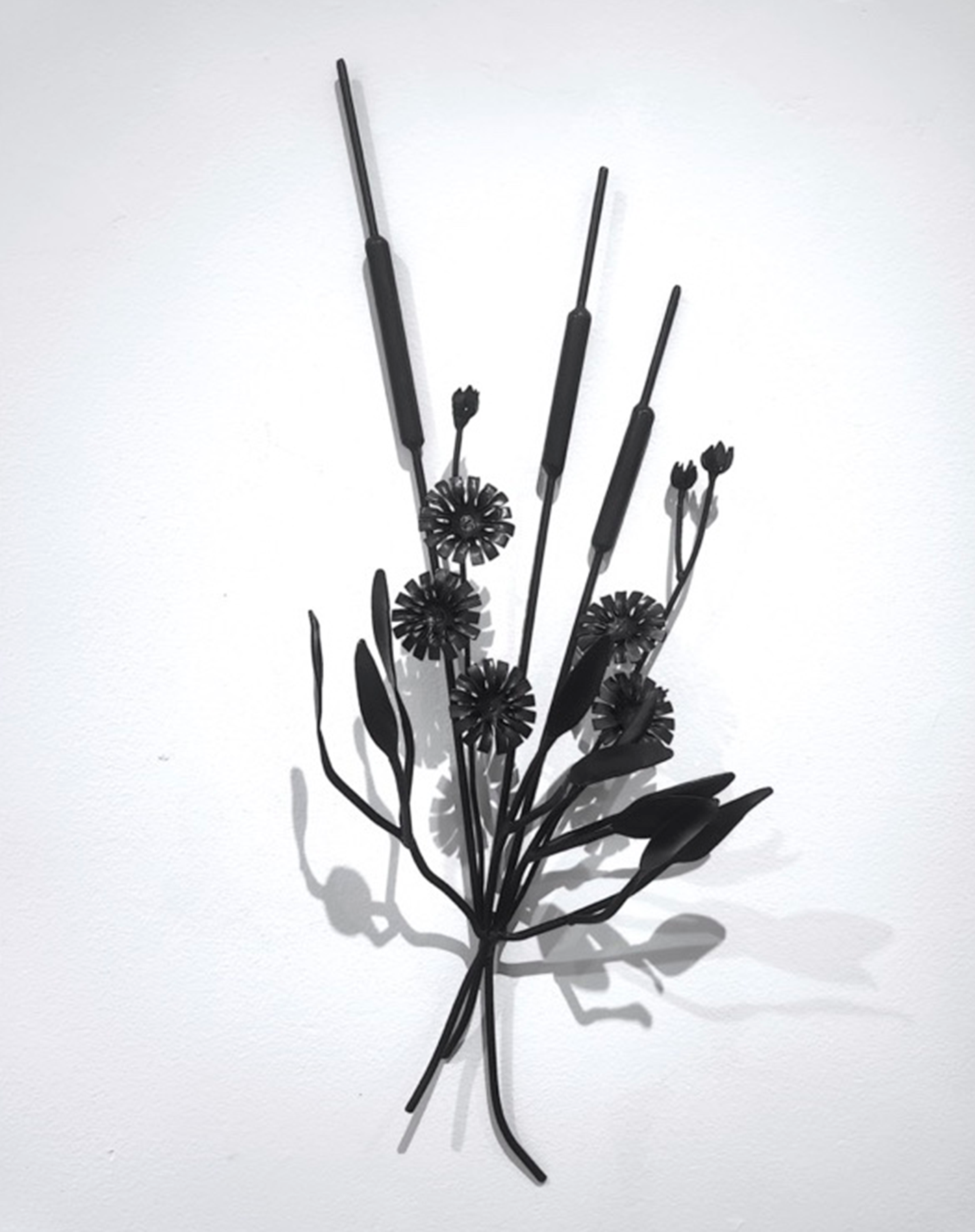
  • Bouquets for a New Era: Chicory, Sage and Cattail, 2024, steel, 19 x 7 x 4 in.

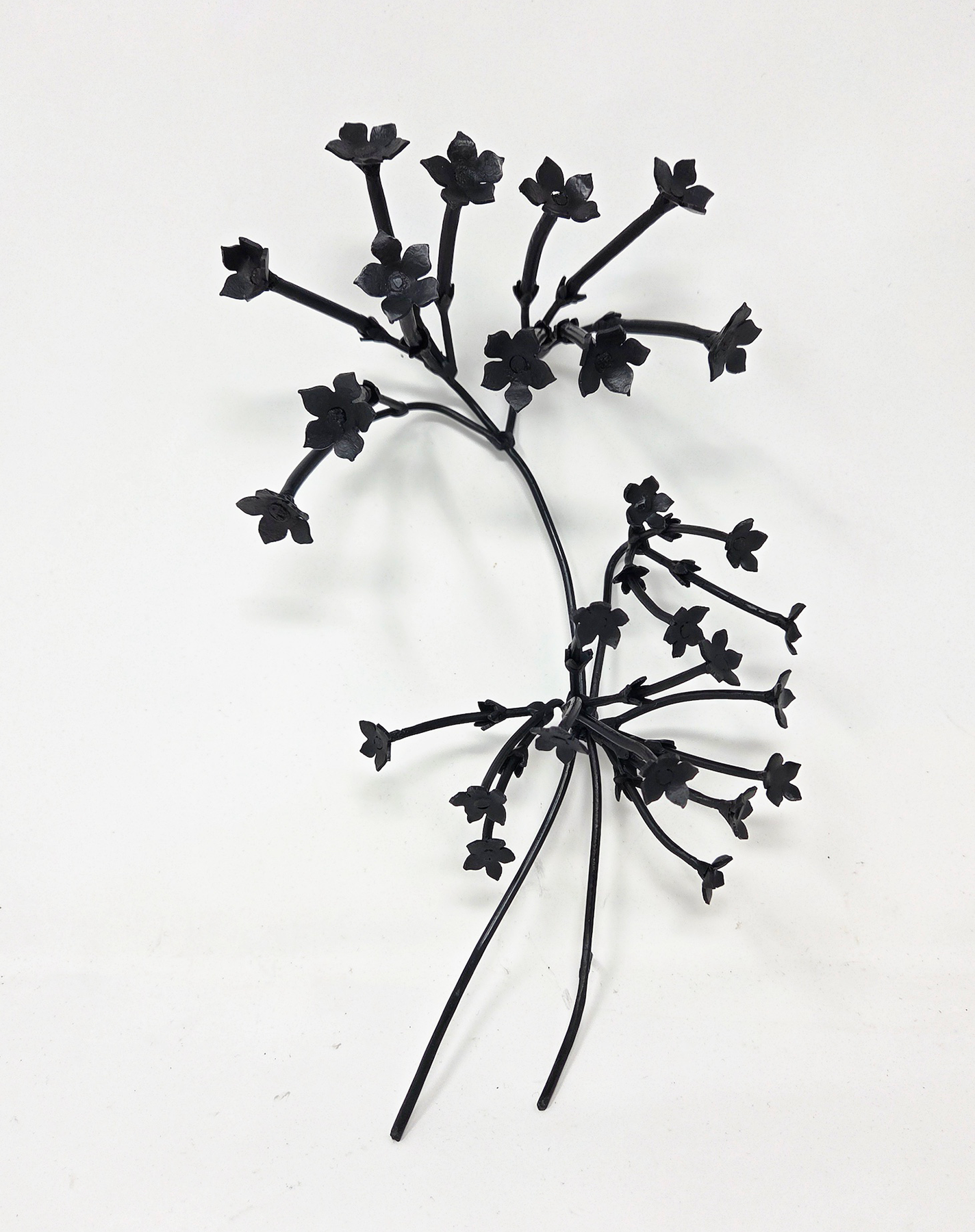
  • Bouquets for a New Era: Tobacco, 2024, steel, 11 x 7 x 4 in.

You primarily work in steel for your sculptural work. Why is steel your medium of choice? 

The first time I used steel, it fit. Right away, it felt like the material I was meant to work with. I’ve continued using it ever since and haven’t looked back.

You recently installed a series of your wall sculptures at BioPhilia Gallery in Grand Rapids, Michigan, as a part of ArtPrize 2025. Tell us about this body of work, the exhibition, and the ArtPrize competition.

ArtPrize is an international art exhibition and cultural festival held annually in Grand Rapids, Michigan. Over the course of 16 days, artwork is displayed throughout the city in galleries, museums, and public venues, drawing approximately 800,000 visitors.

Before the festival, I was selected as one of five Indigenous finalists to present at Pitch Night at the Eiteljorg Museum in Indianapolis. This opportunity, specifically open to Native artists, was intended to increase Indigenous participation and representation in ArtPrize. At Pitch Night, artists shared their proposals with an audience and a panel of local arts professionals in hopes of receiving $10,000 in project funding. 

While I was not selected as the primary grant recipient, the ArtPrize team was impressed with my work and encouraged me to apply for a smaller grant. I was offered a venue placement at BioPhilia, a gallery exploring the profound connections between nature and art. There, I showcased my Bouquets for a New Era series. The sculptures in this series reference flower bouquets, which are often given for special occasions. I wanted to explore how the meaning of a bouquet changes when the more customary florals are swapped out with culturally and personally important botanicals and plants, such as berries instead of roses and sage instead of carnations.

Photo by Jill Bornand

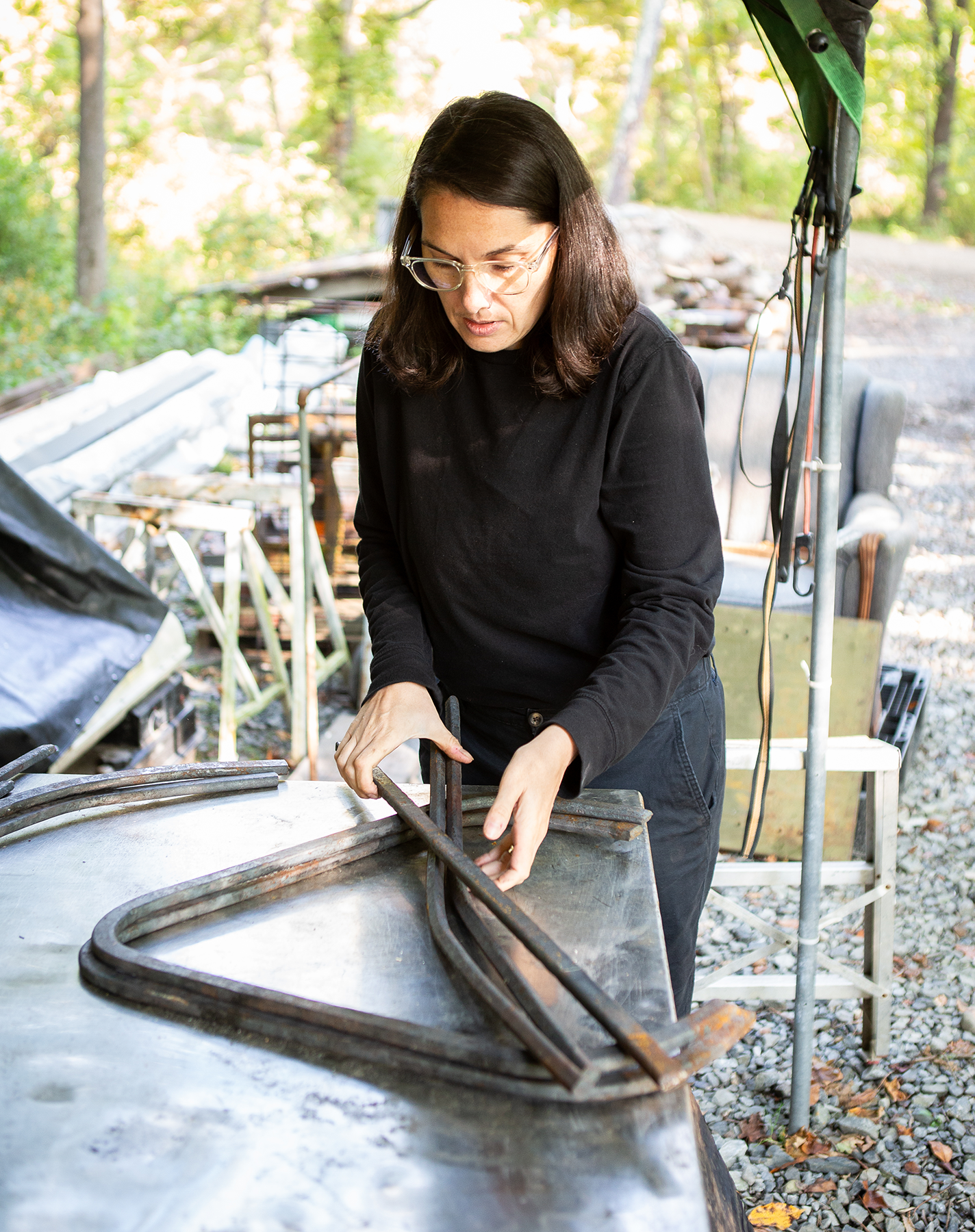
Jacobs working with steel stock at the Center for Metal Arts in Johnstown, Pennsylvania.

If you were to furnish your home or studio with craft art, which craftspeople’s work would you include?

My home and studio are furnished with a lot of craft art! Some of my favorites are Carrie Hill, Zachery Lechtenberg, Romaine Begay, and Eric Meeker.

Which craft artists, exhibitions, or projects do you think the world should know about, and why?

There are so many, but I’ll mention a couple of organizations that are particularly important to me. The Society of Inclusive Blacksmiths (SIBS) brings incredible inclusivity to the field. There are so many incredible artists and craftspeople who are part of the SIBS community. And the Akwesasne Cultural Center and Museum in Akwesasne, New York, features many distinguished Kanien’kehá:ka artists and offers diverse community programming fostering cultural continuity and creative exchange.

Photo by Jill Bornand

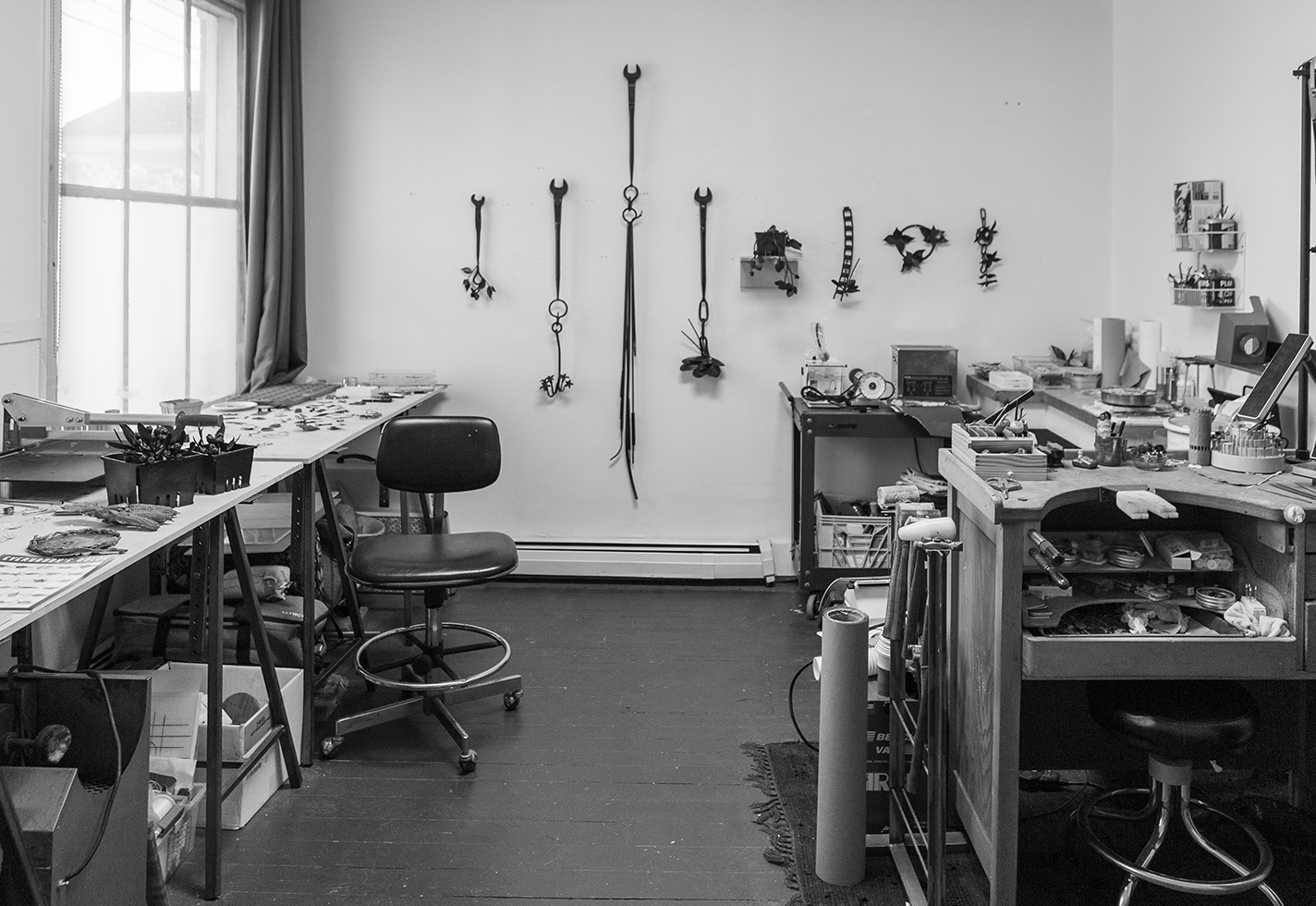
Works in steel hang from the wall in Jacobs's studio.

Kasey Payette is a writer and editor based in Minneapolis.

See more of Margaret Jacobs's work online.

Website Instagram

Before you go!

We believe that making creates a meaningful world, and we hope you do, too. Deeply researched and impactful journalism on the craft community is in short supply. At the same time, being featured in craft-centered media and articles can have a major effect on a maker’s or artist’s livelihood, particularly those who are just starting in their career. You can help support our mission and the work of makers around the country by becoming a member or by making a gift today.

Thank you!
American Craft Council