Craft Around the Country

With Her New Minneapolis Gallery, Victoria Sass Pushes a Midwestern Theory of Design

The interior designer wants to elevate the aesthetics and values of the Heartland—and export them.

By Jon Spayde
May 13, 2026

Photo by Elena Stanton and Joe Horton

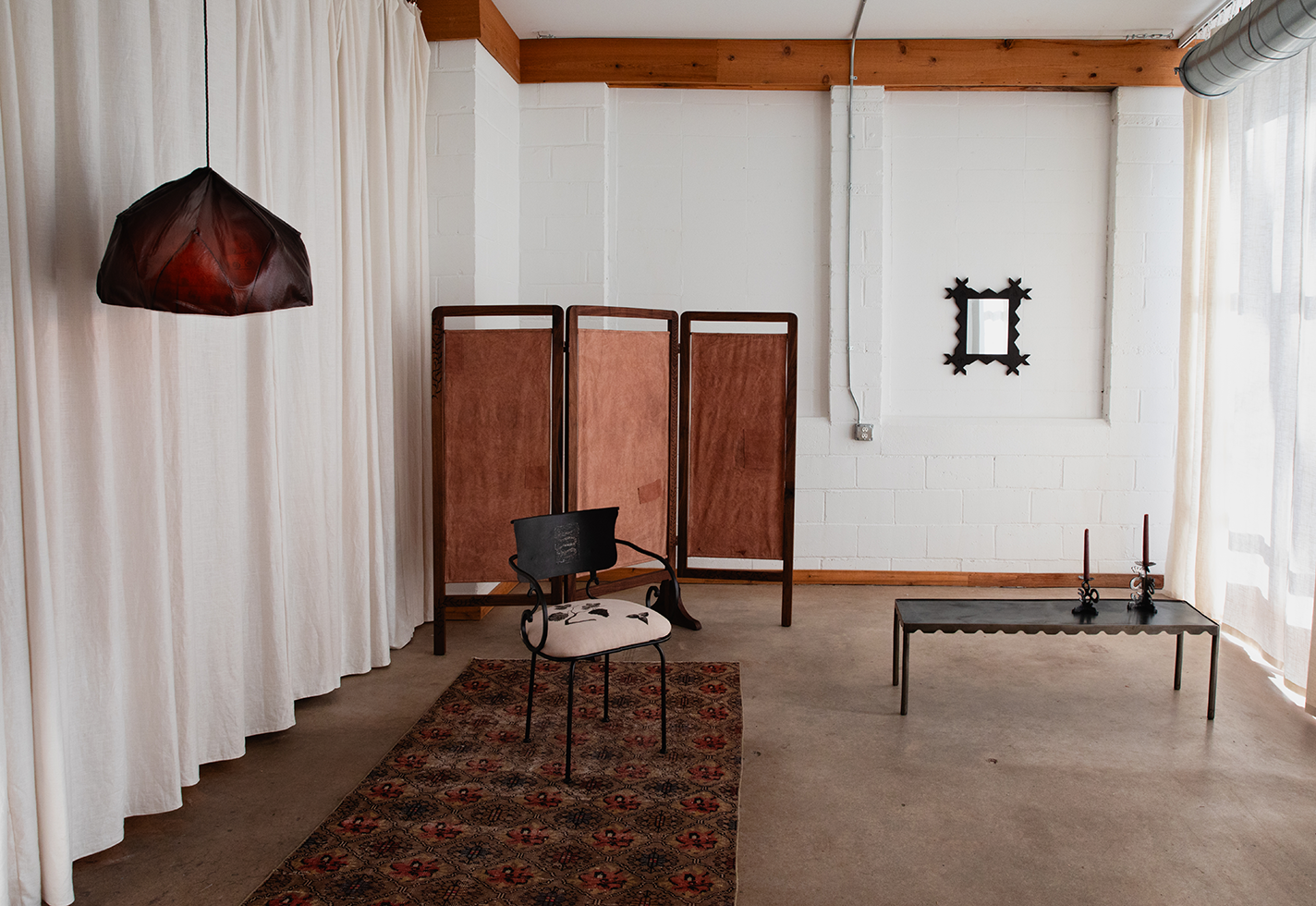
Works by Stillwater, Minnesota–based artist Alexis Stiteler installed at Prospect Refuge Gallery in Minneapolis. Stiteler's solo show, A Tie That Binds, opened in late February.

According to Victoria Sass, the founding of her collectible design gallery—the first in Minneapolis—“kind of just happened.” 

The interior designer, who has created many imaginative, comfortable, craft-focused domestic environments for Twin Cities clients under the studio name Prospect Refuge, was talking with Minnesota-born, Brooklyn-based furniture and lighting designer Jeremy Anderson, whose internationally known Apparatus studio has showrooms in New York, London, and Los Angeles. “We just asked him if he would ever be interested in doing a show here in town, and he was like, ‘Yeah, I totally would,’” she says. “And then we were off to the races.” 

Initial requirement: a physical gallery. Working with colleagues in her studio, she set up in a space just across the Mississippi River from downtown Minneapolis. In June 2025, she welcomed Anderson for a show of lighting pieces and ceramic works entitled Homecoming: Objects of Origin.
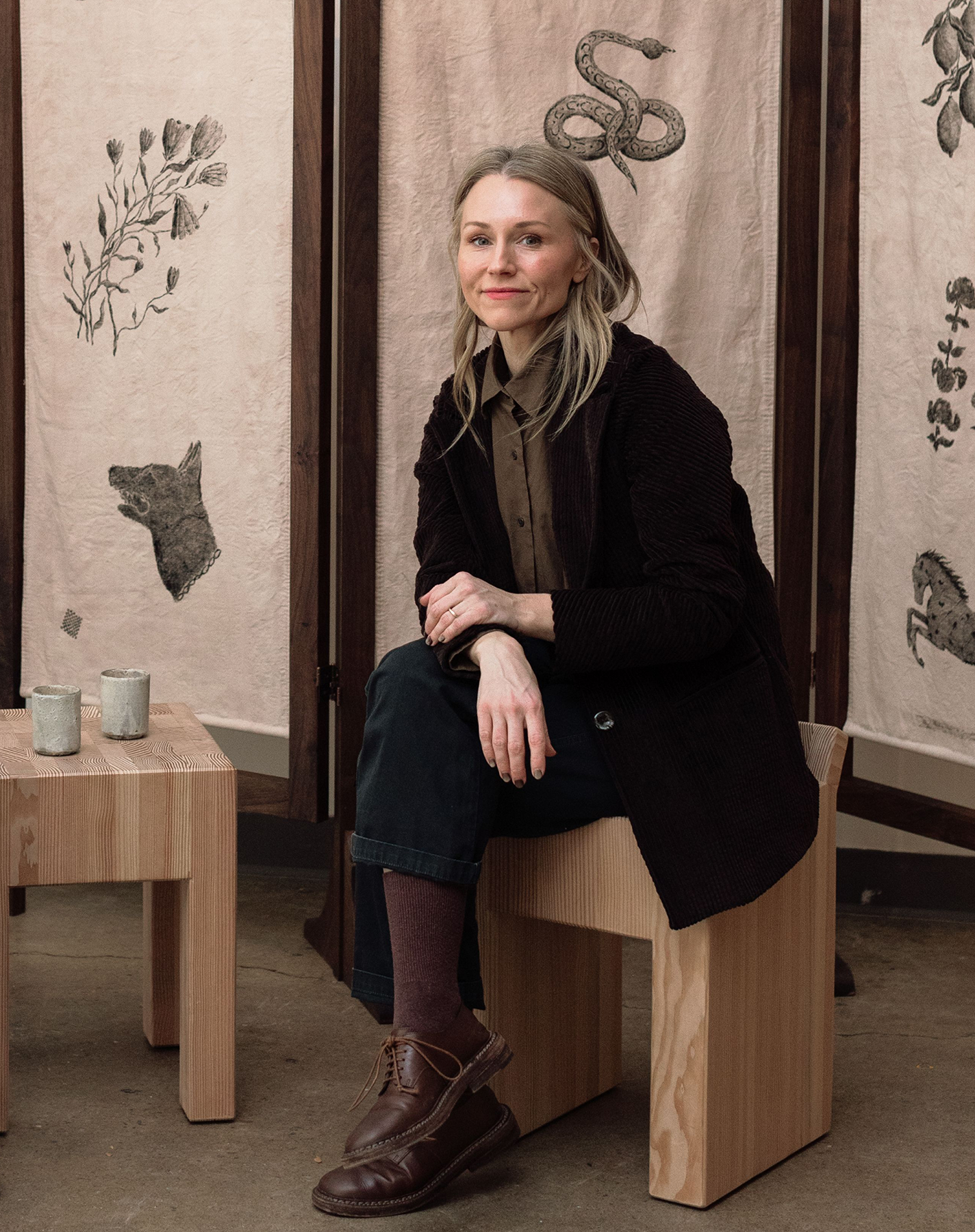
Photo by Elena Stanton and Joe Horton

Victoria Sass, the designer behind Prospect Refuge.
The design press noted the exhibition as a double homecoming for Anderson: a return to his native state, and to his roots as a ceramist. The pieces themselves resembled icons of home: mostly drawn, wrote Katelyn Bloomquist in Midwest Design, “from the forms of rural infrastructure … reimagined through a lens of modernism and emotion.” The article went on to quote Anderson: “There’s something about the Midwest landscape that sticks to you—the water towers, the silos, the light over the fields. Those shapes live in my work.”

It would be hard to imagine an inaugural exhibition more in line with aesthetics and goals of Sass, who has built a career as the champion of a still-evolving idea of Midwestern style. 

Sass grew up in California and rural Minnesota and majored in architecture at the University of Minnesota in the Twin Cities. A study-abroad program took her to Copenhagen, where she met her husband, Torben Rytt. Upon her return, she worked for a while on commercial interiors, then began devoting herself to creating domestic spaces that are fresh and compelling but also comforting and life-affirming.

“Sometimes we Midwesterners are self-deprecating to a fault,” she says. “We sweep ourselves under the rug and try to disappear. But we’re so rooted here. And I think that our Midwestern values are on the cusp of being the next big thing. I think people are seeking stability, integrity, humility, modesty, economy, frugality—all of these things that we take for granted are what the world, or at least a certain portion of it, needs and wants.”

Photo by Elena Stanton and Joe Horton

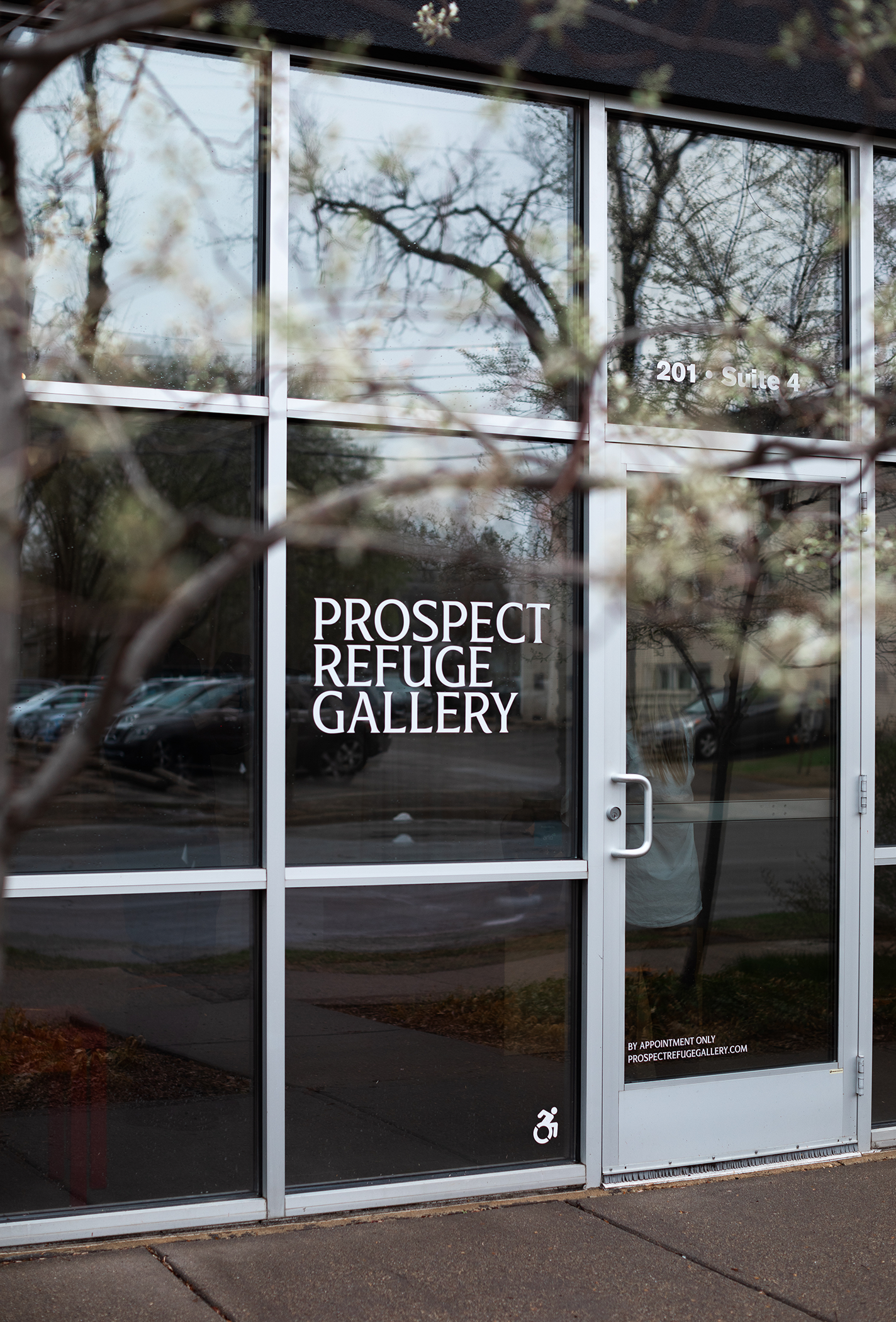
Prospect Refuge Gallery is located in Northeast Minneapolis, a thriving arts district.

In a conversation with Stillwater, Minnesota–based artist Alexis Stiteler on the Midwest-centric website Tell, Sass expands on the values that she sees underlying Midwestern lives: “Midwesterners are allergic to trends,” she says, “not because they want to be cooler than trends. They’re unwilling to embrace things quickly, and there’s good and bad to that. But yes: function first. People temper function for form, but if it doesn’t function, form is moot. … And there’s also ethical idealism. This foundational sense of equality. It shows up in something like democratic design. Even people with means are conscious of how their choices engage community. They don’t want to stand out or seem other than. Tall poppy syndrome. We try not to rise above. There are positives to that.”

But how do these values get represented in something called a style? “I don’t think it has been decided on yet,” Sass says. “We haven’t spent any time, since Frank Lloyd Wright, to come up with an original perspective on it or start to define it. I think we’re very comfortable just being who we are, and we don’t really see the need for it.” 

But Sass dreams of a time when Midwestern style takes on definition, and participates nationally and internationally in design dialogues. “Think of California modernism; you can picture that in a moment,” she says. “I always say to my friends, I want to do for the northern Midwest what California did in the ’60s and ’70s, when they branded and exported their lifestyle, their ethos, their spirit. I think we could do that, but I don’t have all the answers yet. That’s my life project: to figure it out.”

Photo by Taylor Hall O'Brien

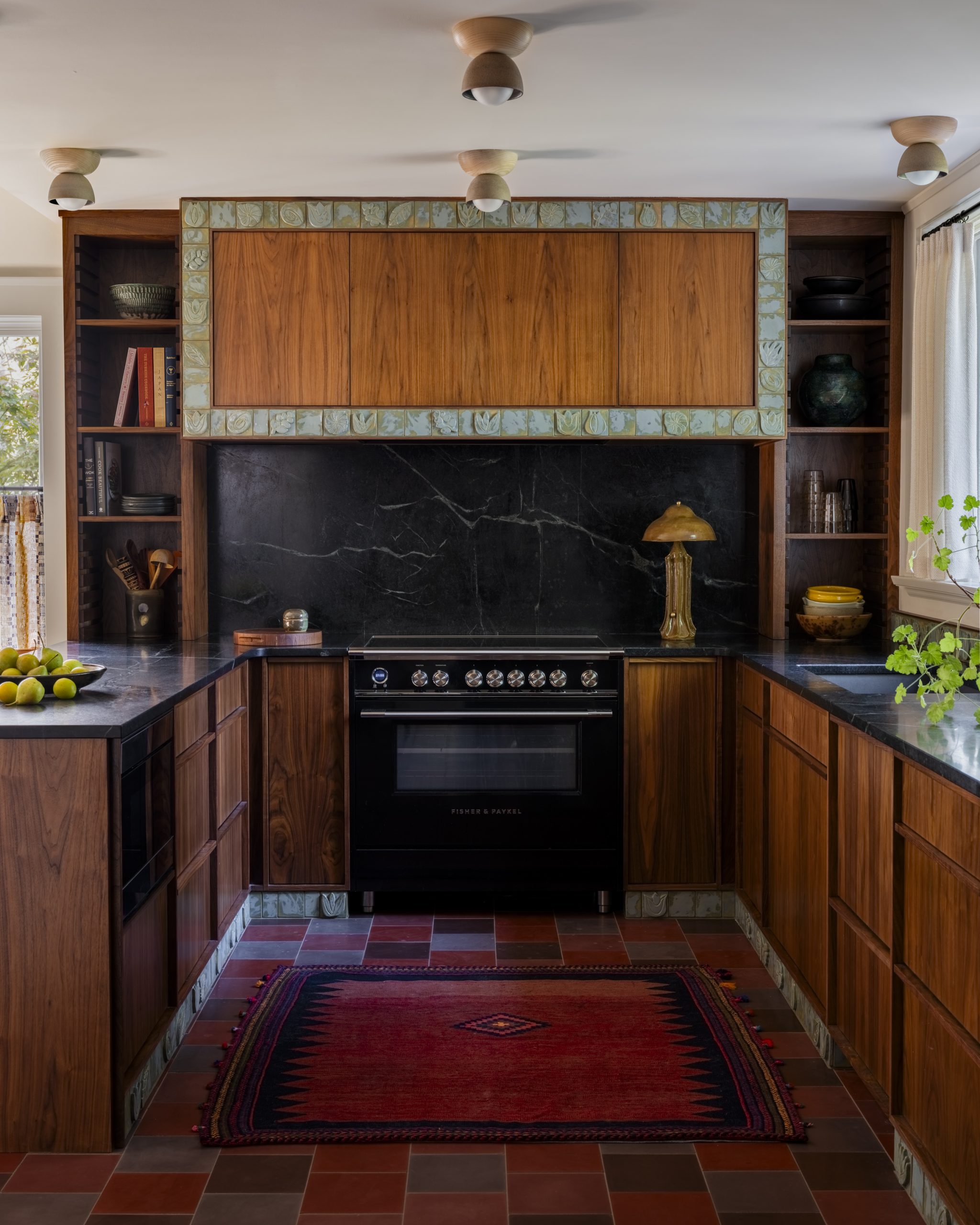
The kitchen of the Potters House in Saint Paul, Minnesota, incorporate custom tile around the stove hood by Kristen Falkirk Tileworks and ceramic refrigerator pulls by Amanda Dobbratz.

“I want to do for the northern Midwest what California did in the ’60s and ’70s, when they branded and exported their lifestyle, their ethos, their spirit.”

— Victoria Sass

In the meantime, there’s Sass’s design practice, in which she and her six-person team have tackled a variety of projects, beginning to embody her emerging mid-American aesthetic by emphasizing comfort and livability while also keeping an eye out for whimsy, imagination, and offbeat detail. The practice has garnered national recognition, including being named as one of House Beautiful’s Next Wave Class of 2023 and Architectural Digest’s Seven Emerging Designers Who Are Shaking Up American Interiors in 2022. 

And in 2024, when she was chosen for the Kips Bay Decorator Showhouse Dallas, she set up a cheeky (but sincere) experiment in a Midwestern design aesthetic: a room entitled A Midwest Memory: The New Nostalgia, based on her childhood home. She deliberately included elements generally associated by cognoscenti with Midwestern design backwardness: golden oak, wall-to-wall carpeting, and a simulacrum of a popcorn ceiling (done in rather elegant wallpaper). Decidedly out-of-the ordinary sculptural lighting elements by Minneapolis’s edgy Hennepin Made were among the design-forward features that Sass married with the nostalgic elements of her youth.

And there is the gallery. Sass followed up the Anderson exhibition with The Keep: Objects of Refuge, which displayed benches, chairs, mirrors, and more by McKeever Donovan, whose Brooklyn studio is called Midden Projects.

Photo by Taylor Hall O'Brien

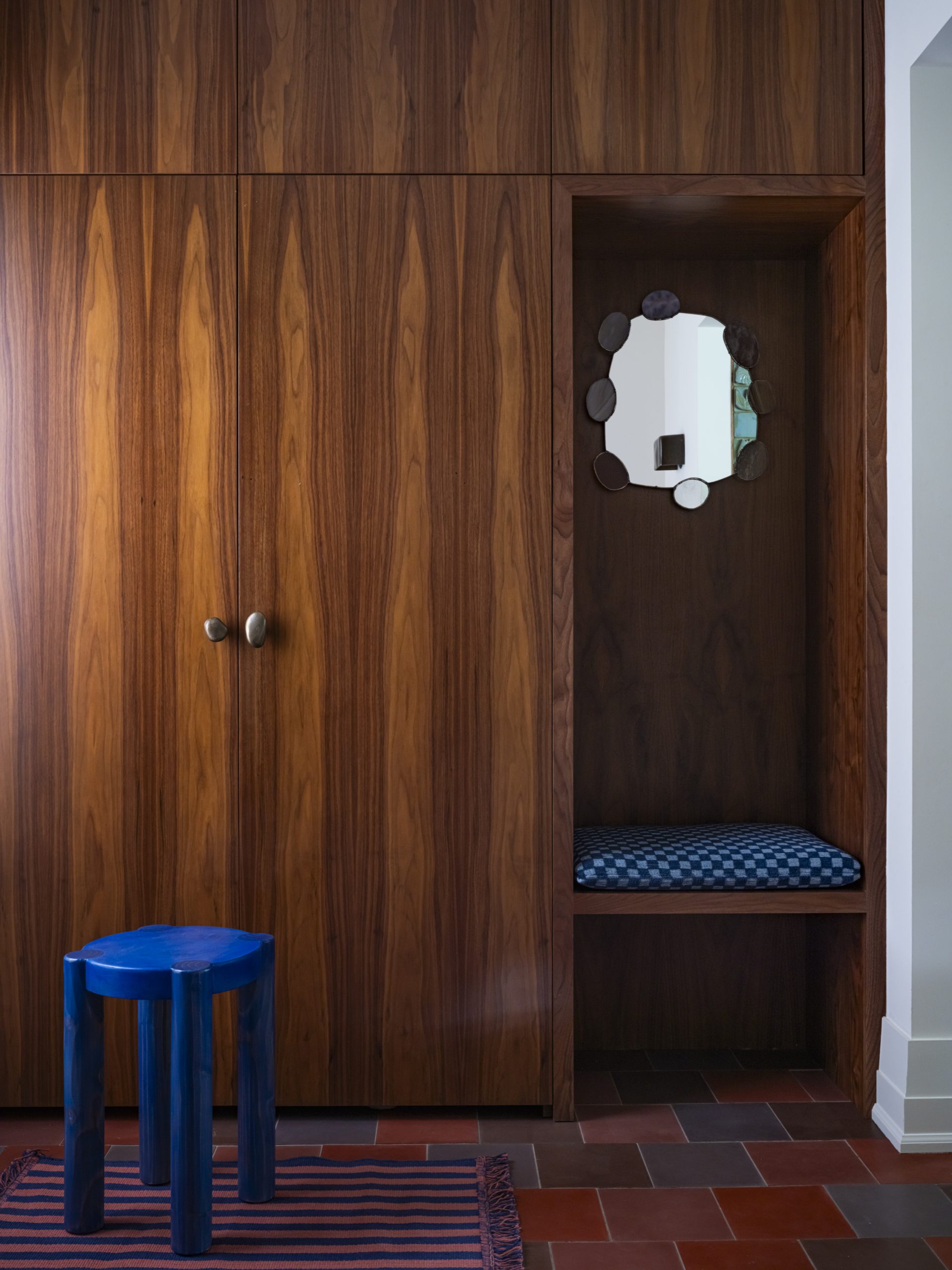
Potters House's mudroom is outfitted with a custom mirror by Katie Kohls of Dear Heart, custom walnut cabinetry, and custom upholstery by Kelly Wearstler x Lee Jofa Modern.

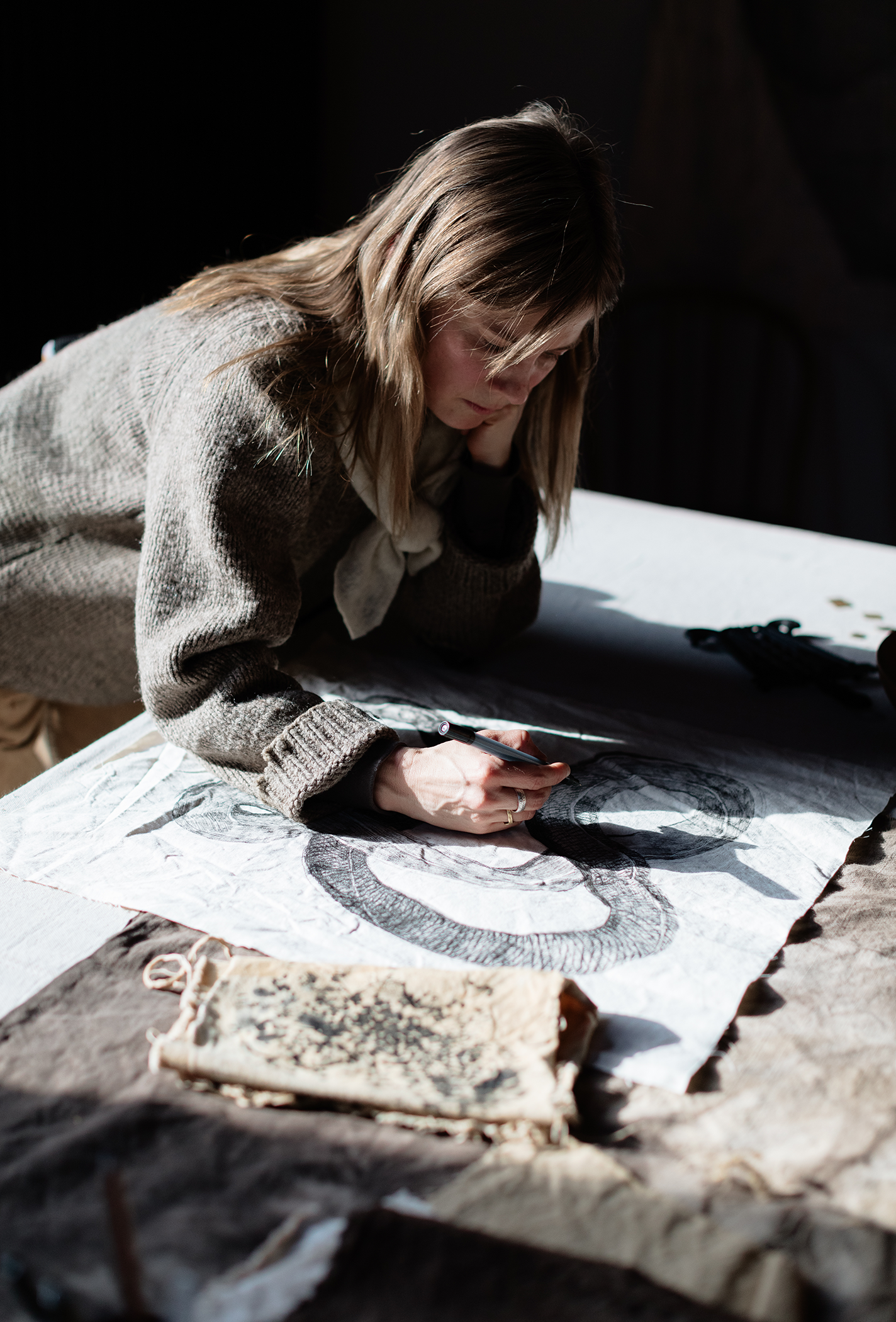
The current show, A Tie That Binds, brings together 16 pieces—including a table, a daybed, a pendant light, a mirror, and a chair—designed by Stiteler and created collaboratively with local makers. The fabric is Texas-grown organic cotton, sent to a heritage mill in Connecticut, then brought to Stiteler’s Stillwater, Minnesota, studio to be hand-dyed and illustrated in wood-waste pigment with elegant and detailed images from Stiteler’s travels.

Sass sees the gallery as filling a need in an urban area rich in artists but less well-endowed with galleries and dealers. “The gallery is a big experiment for me to see what this region needs. We have an amazing infrastructure for supporting artists with grants. There are tons of foundations and residencies, and that’s great,” she says. “But what happens when you reach a point in your career when you want to sell your work at a gallery or you want to be present to collectors? Where is that infrastructure? With some very honorable exceptions, it doesn’t really exist here.”

And she’s committed to sticking with functional works. “I could never be a fine-art gallerist,” she says. “That’s a whole other spectrum. But I learn by doing, and so the gallery is probably going to change shape; I don’t know if I hit the right model right out of the gate. I’m hopeful that functional design will be a good bridge towards new collectors, to help them start collecting—because Midwesterners are so pragmatic. We’re like, ‘Oh, it’s art and it’s a chair. I can sit on it!’”

Photo by Elena Stanton and Joe Horton

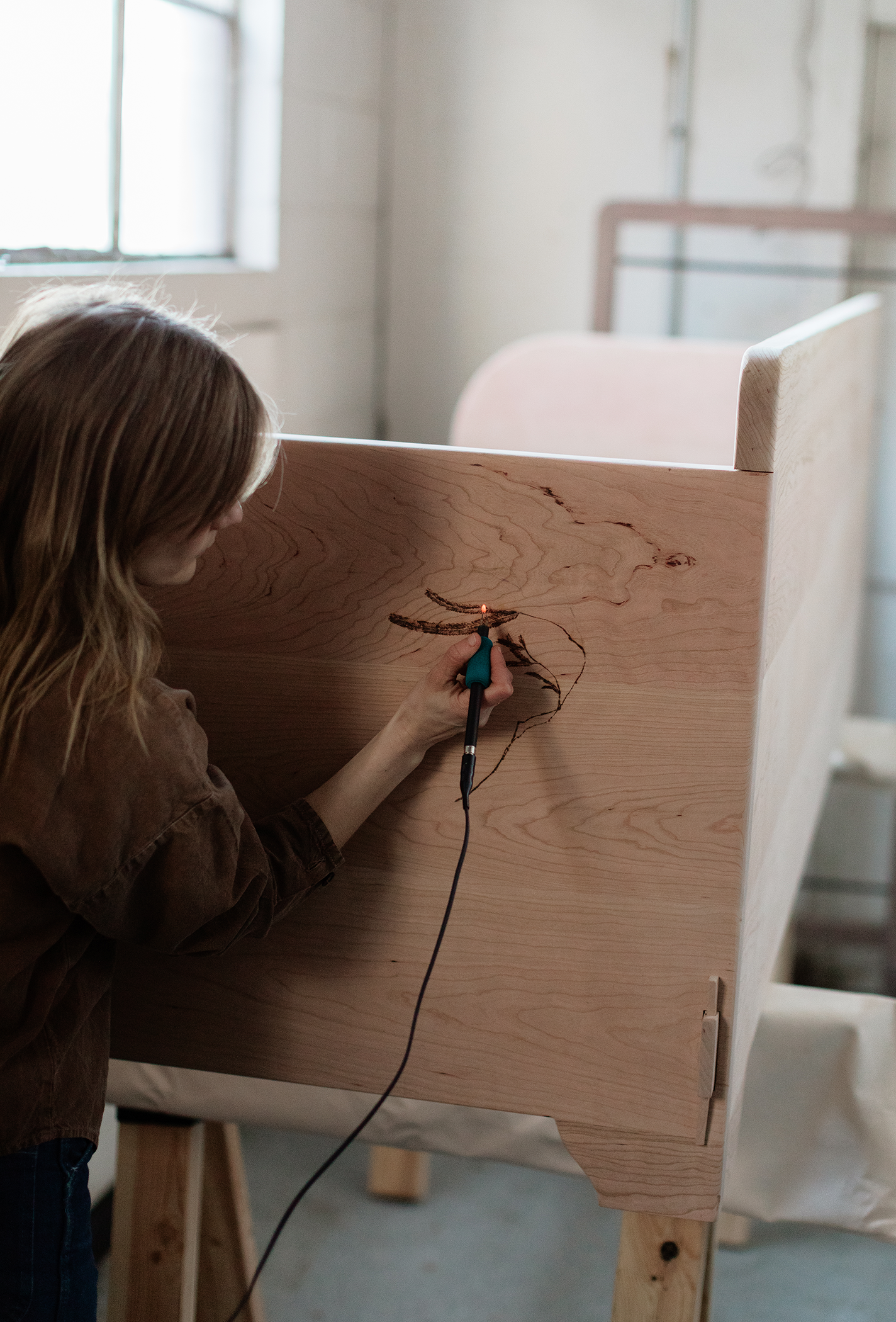
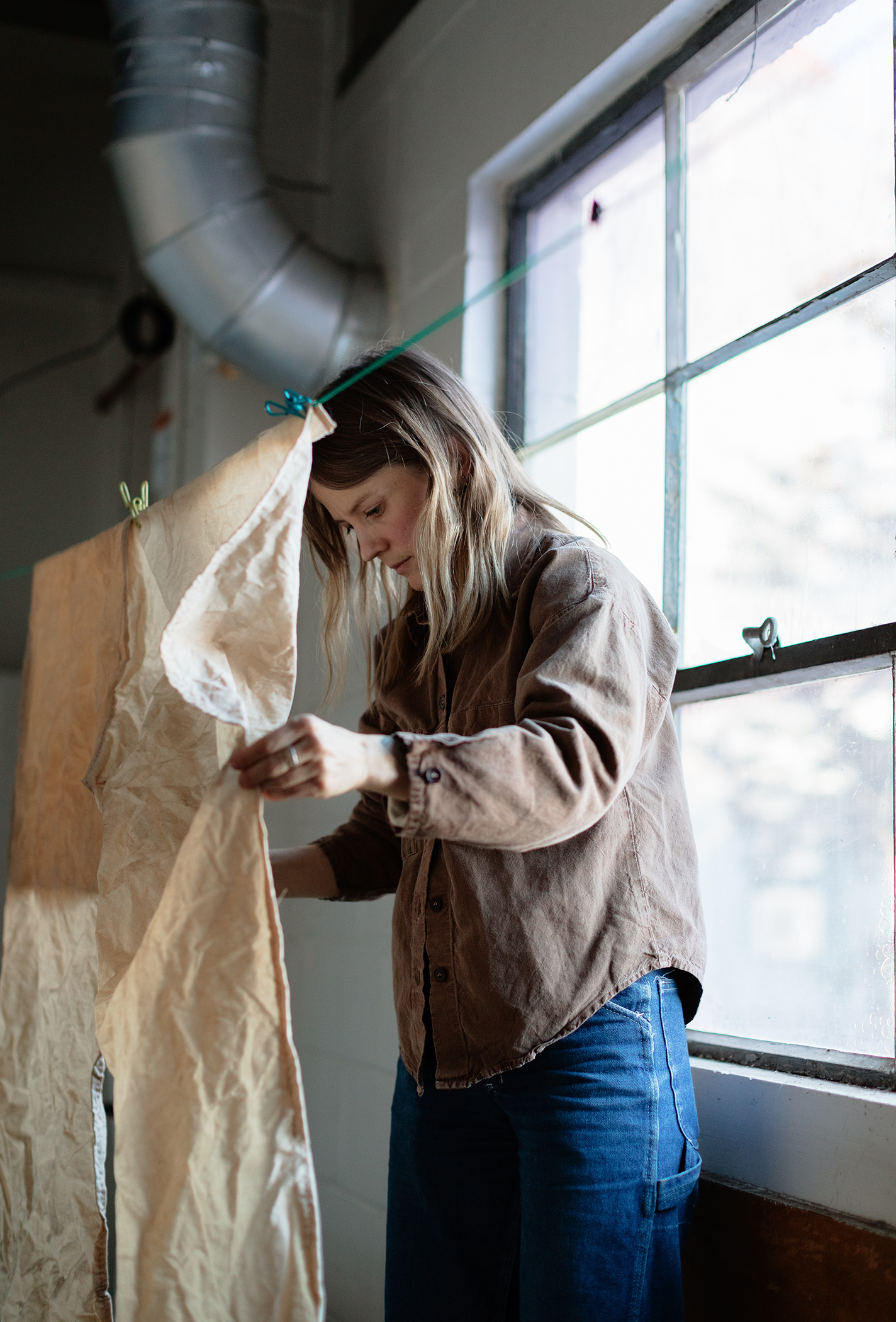
Alexis Stiteler draws on hand-dyed fabric with wood-waste pigment.

  • Photos by Elena Stanton and Joe Horton

    Stiteler burns designs into wood, dyes fabric, and draws designs on fabric.

Jon Spayde is a writer and editor in Saint Paul, Minnesota. A former contributing editor to American Craft, he writes on art, psychology, education, and personal growth for a number of regional and national publications.

Learn more about Prospect Refuge online.

Website Instagram

Before you go!

We believe that making creates a meaningful world, and we hope you do, too. Deeply researched and impactful journalism on the craft community is in short supply. At the same time, being featured in craft-centered media and articles can have a major effect on a maker’s or artist’s livelihood, particularly those who are just starting in their career. You can help support our mission and the work of makers around the country by becoming a member or by making a gift today.

Thank you!
American Craft Council