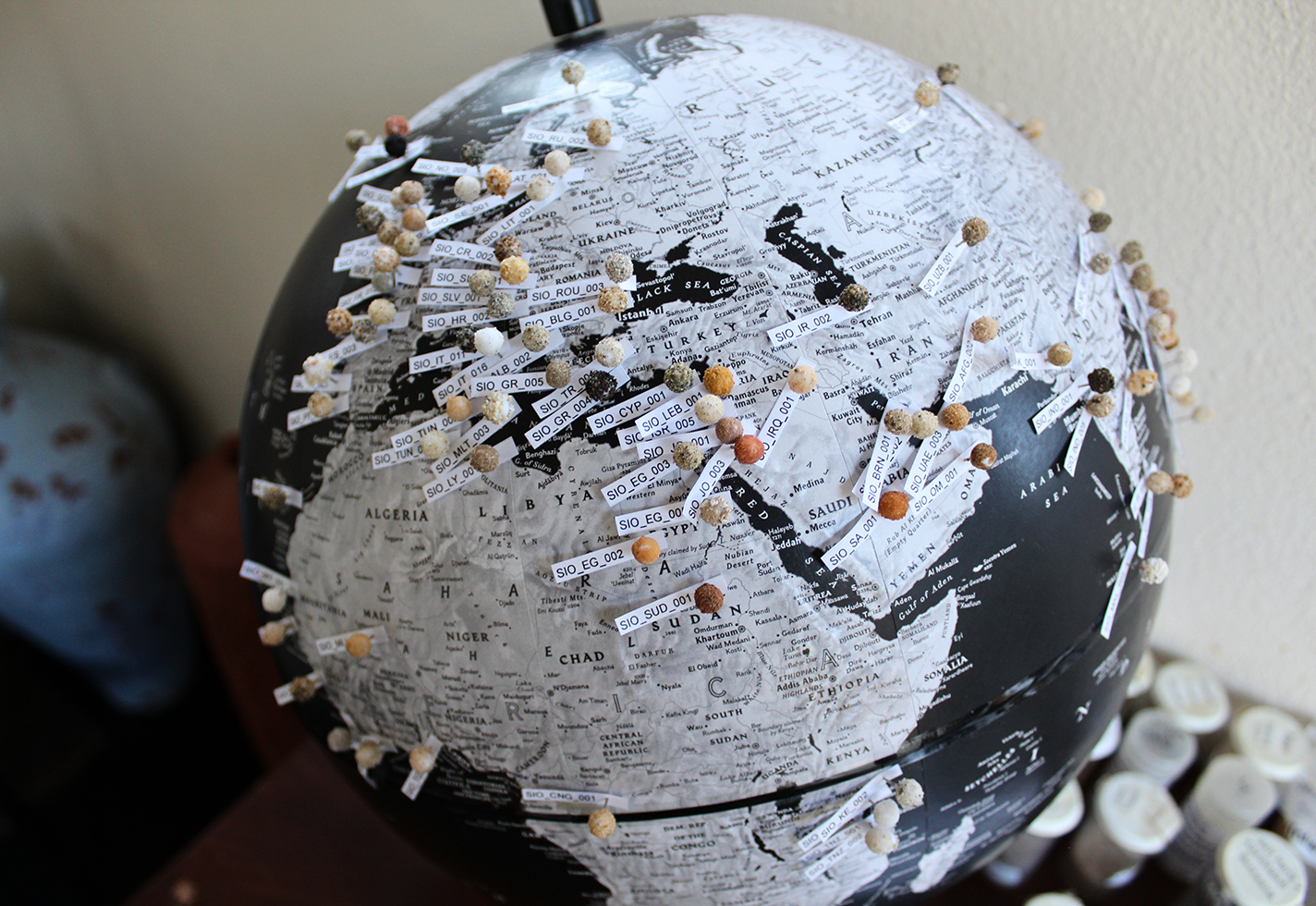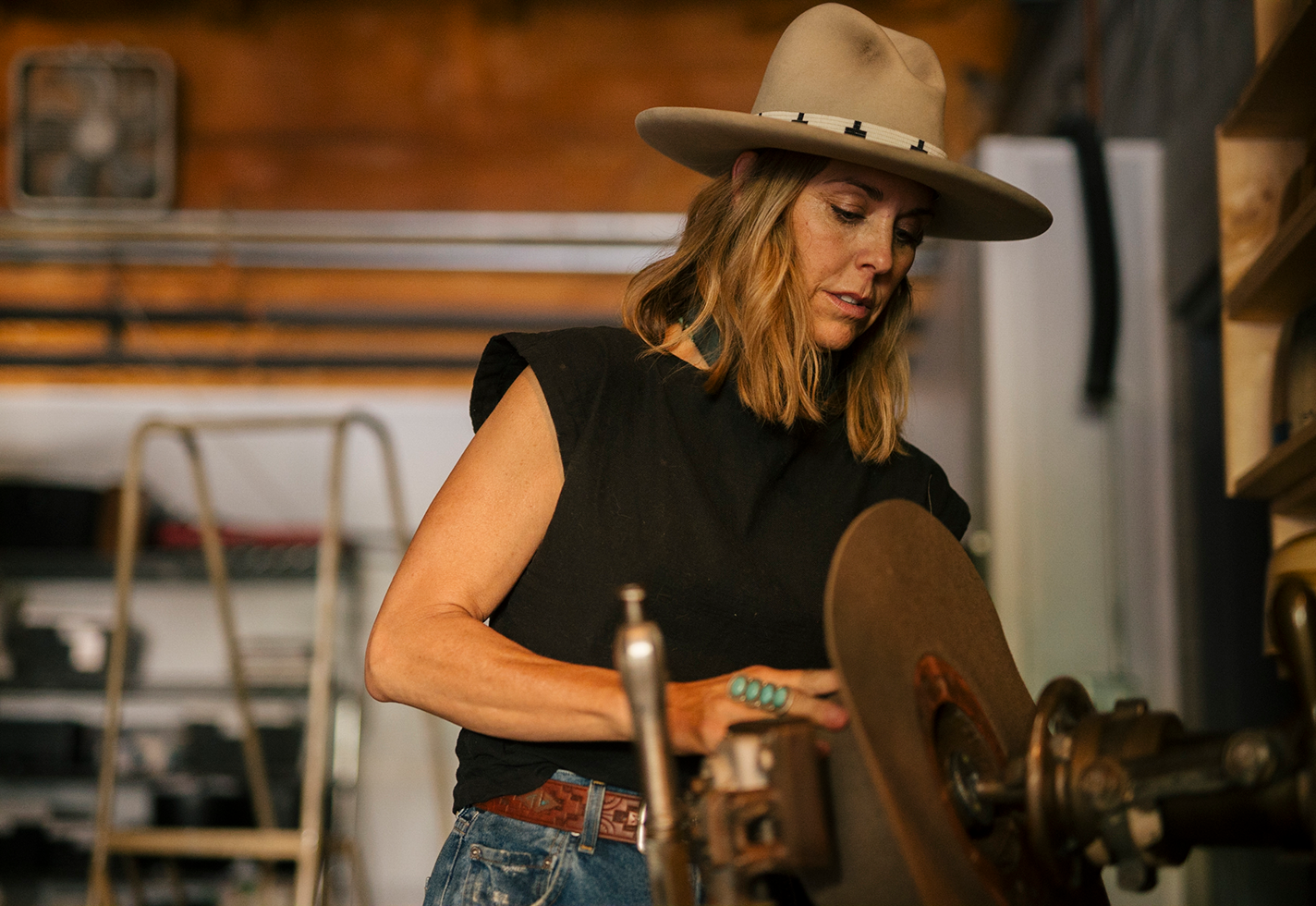
Ariana Kier is obsessed with sand.
Thousands of samples have passed through her hands over the last year alone. They come from estuaries and volcanic regions, glacial deposits and inland deserts. “One of my favorite samples is from Bali,” she says, holding up a vial.
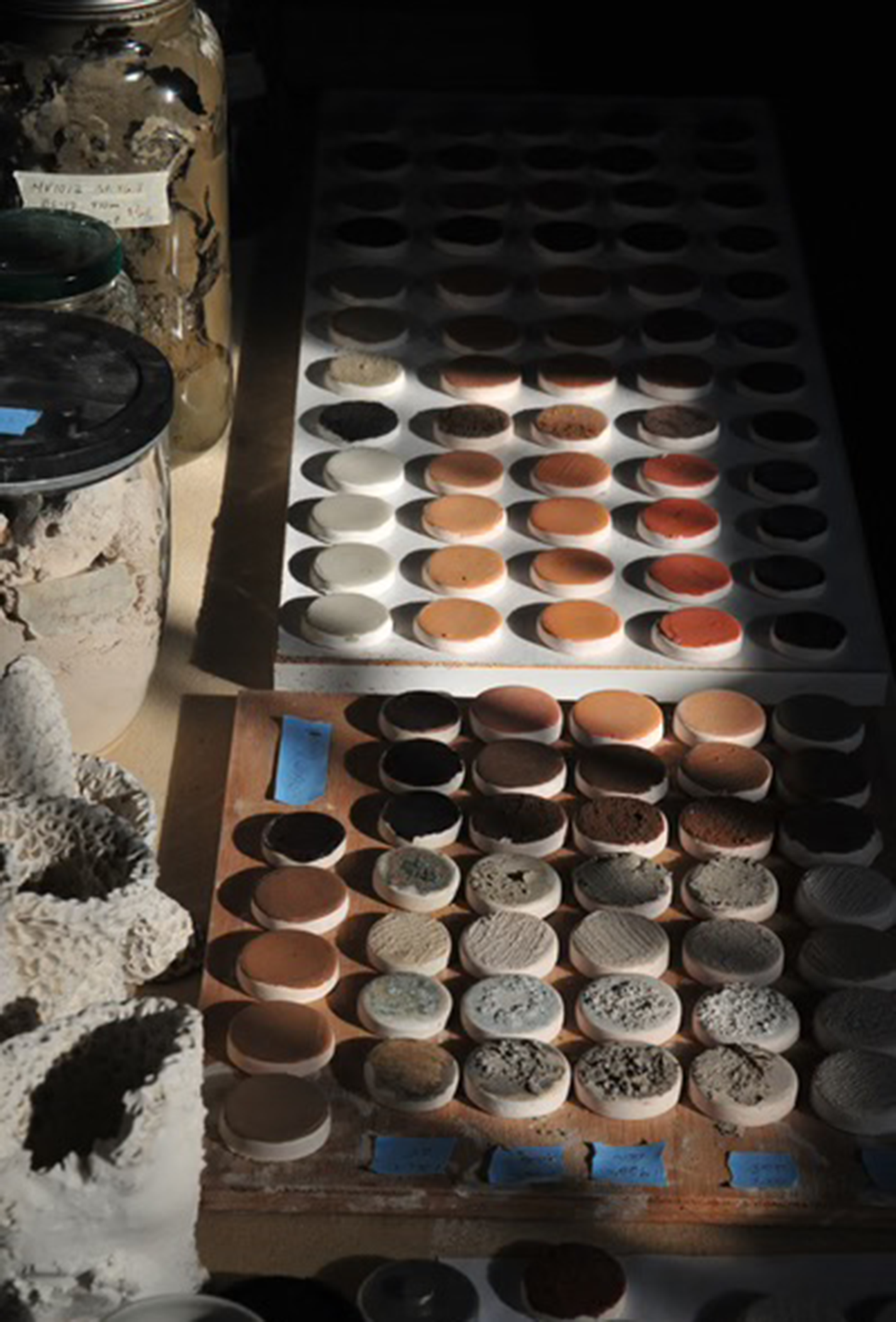
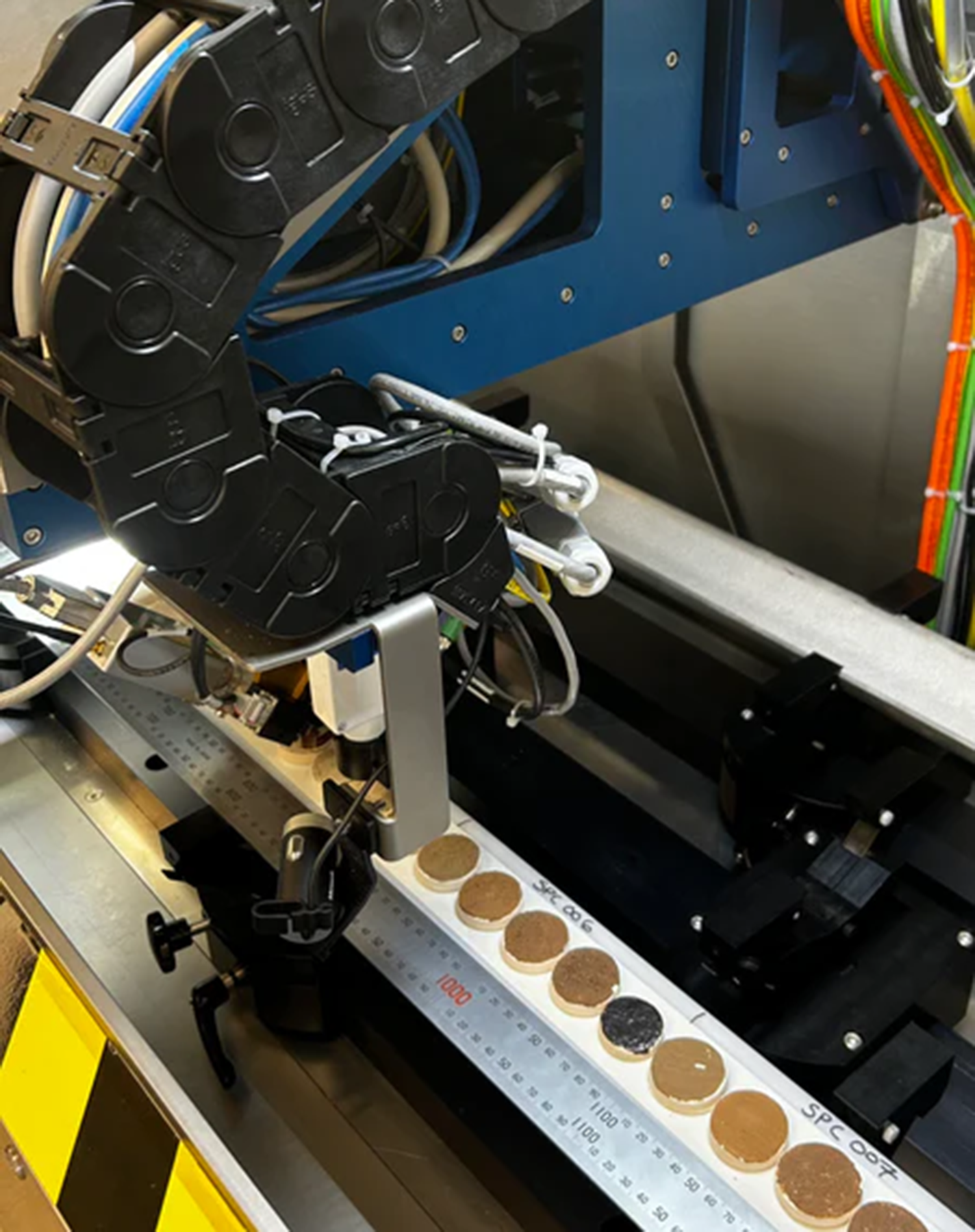
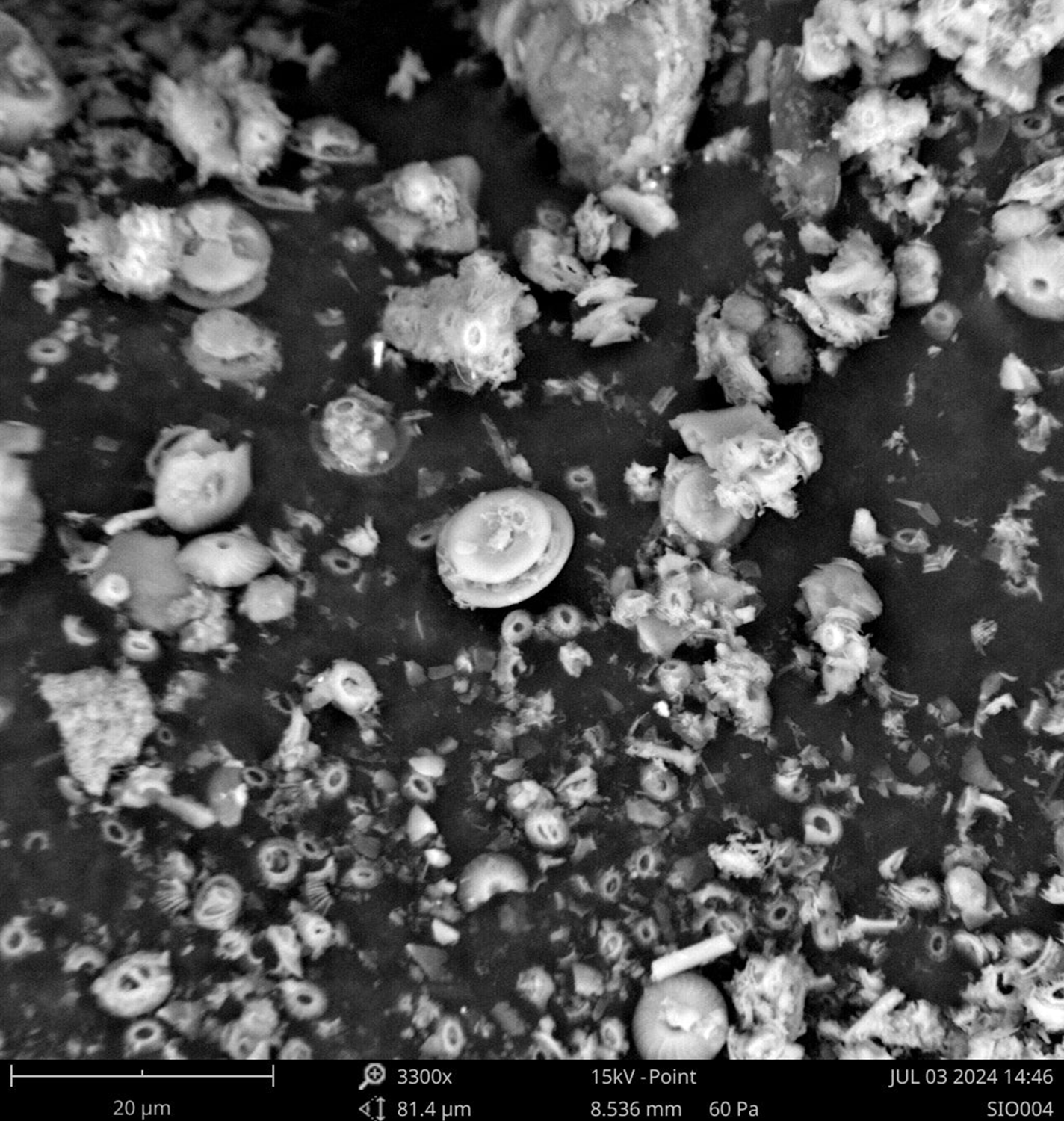
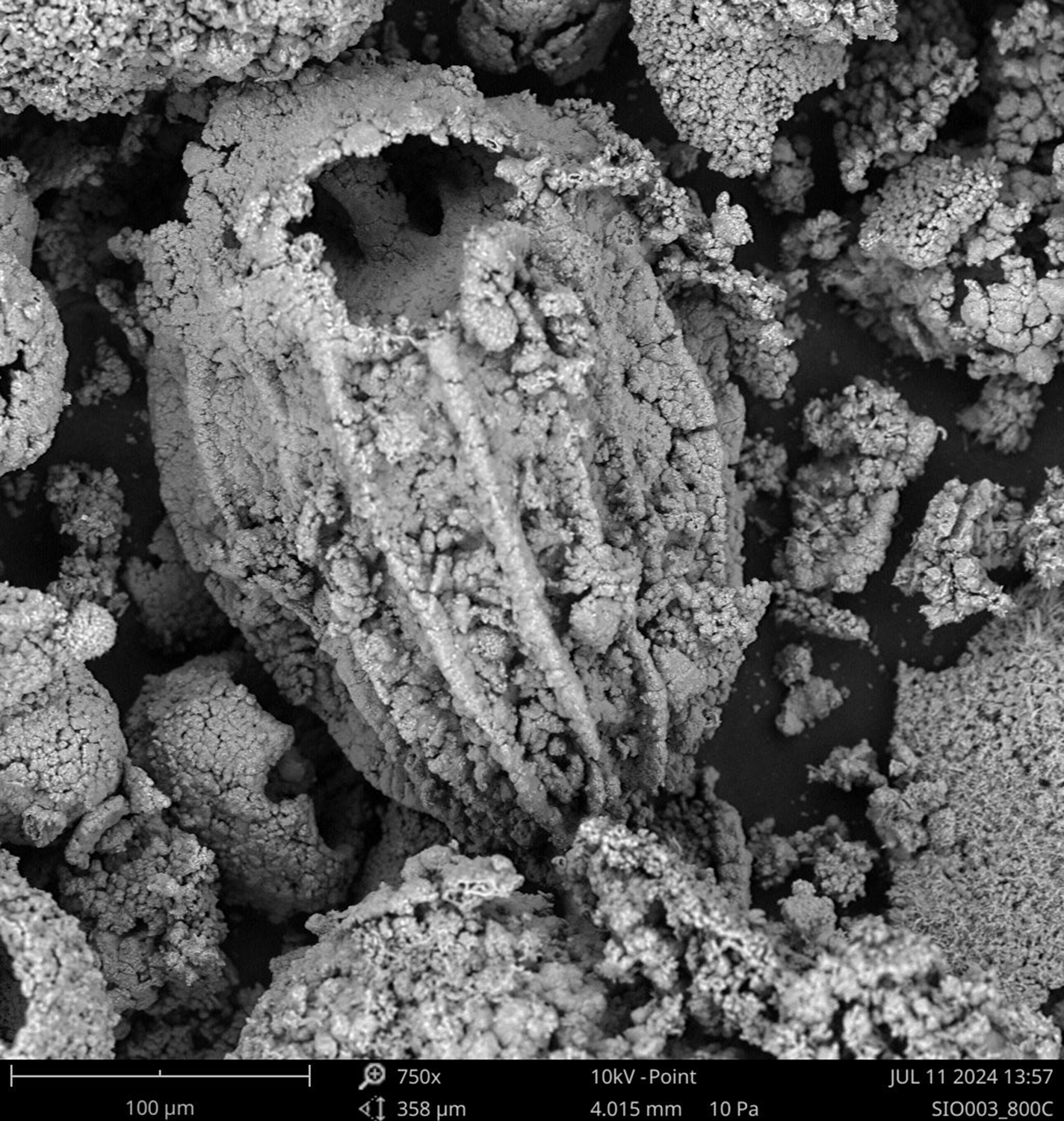
The grains are so fine and luminous they look like gemstone dust. Some arrive at her desk carefully labeled with latitude and longitude. Others show up in plastic bottles from people’s vacations or stashed in pill vials by collectors whose notes are less precise. Kier, a ceramist and soil cataloguist, archives them one by one in collaboration with Scripps Institution of Oceanography at the University of California, San Diego, where she’s found an ideal home for her longstanding fascination with earth materials.
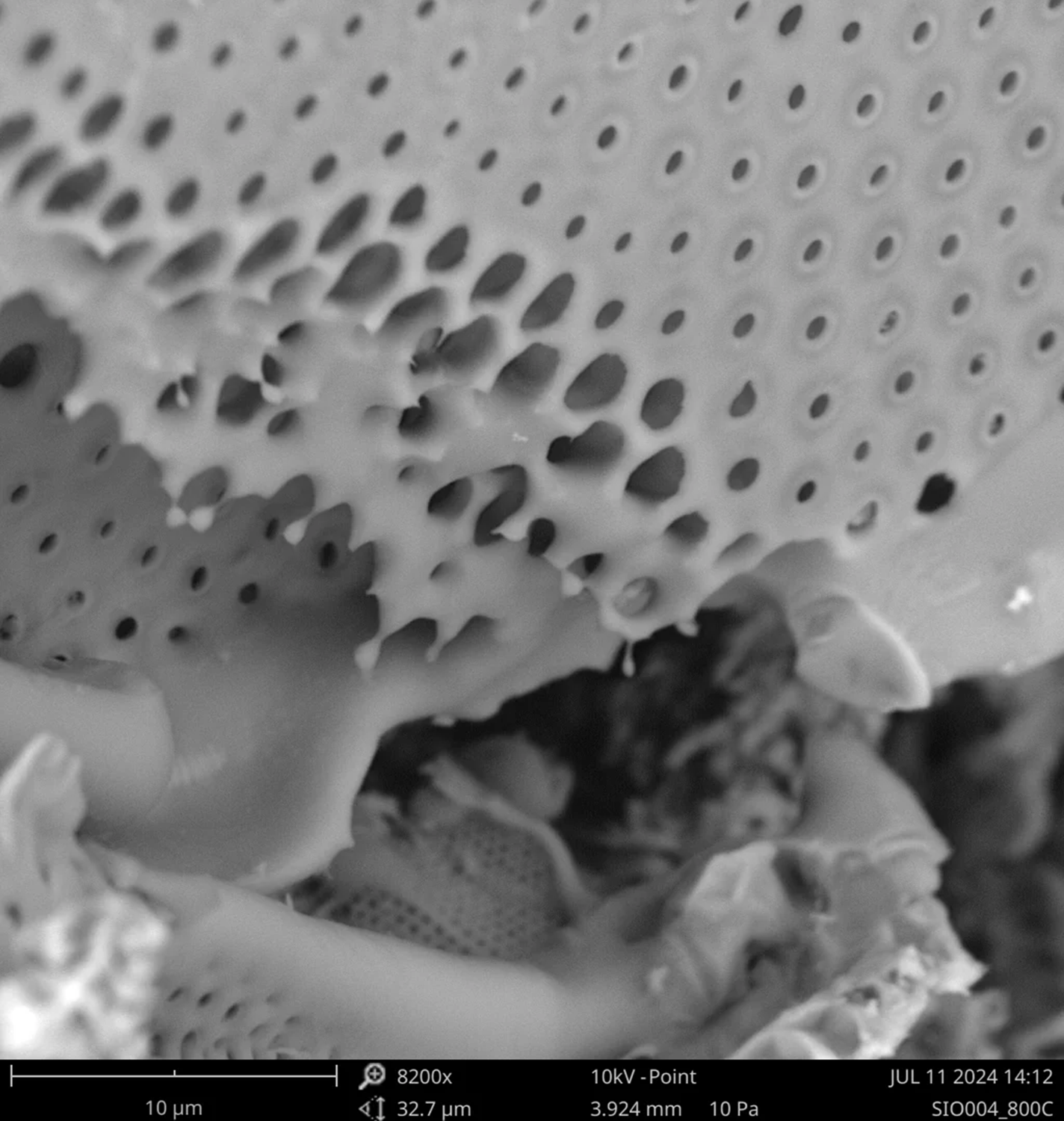
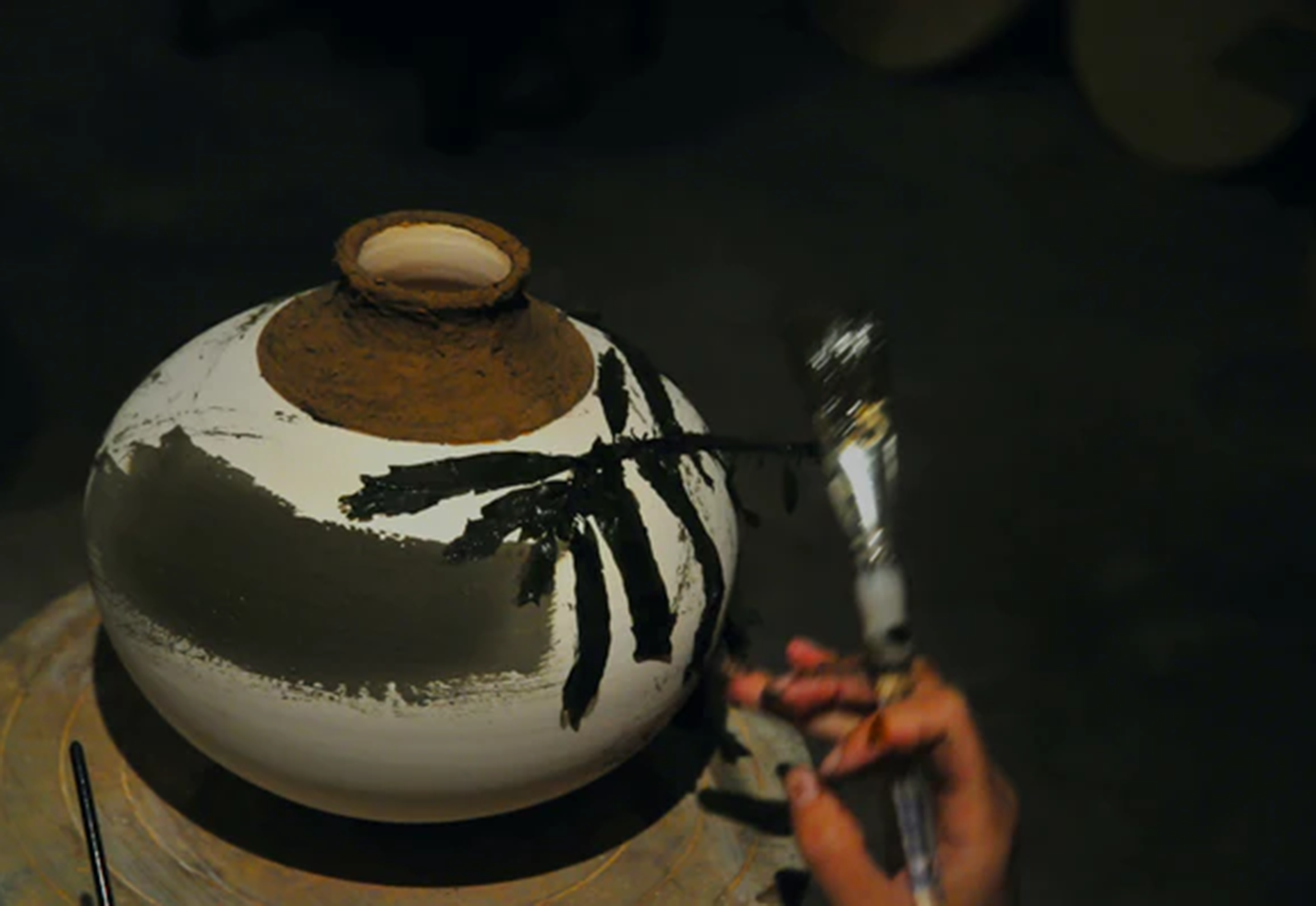
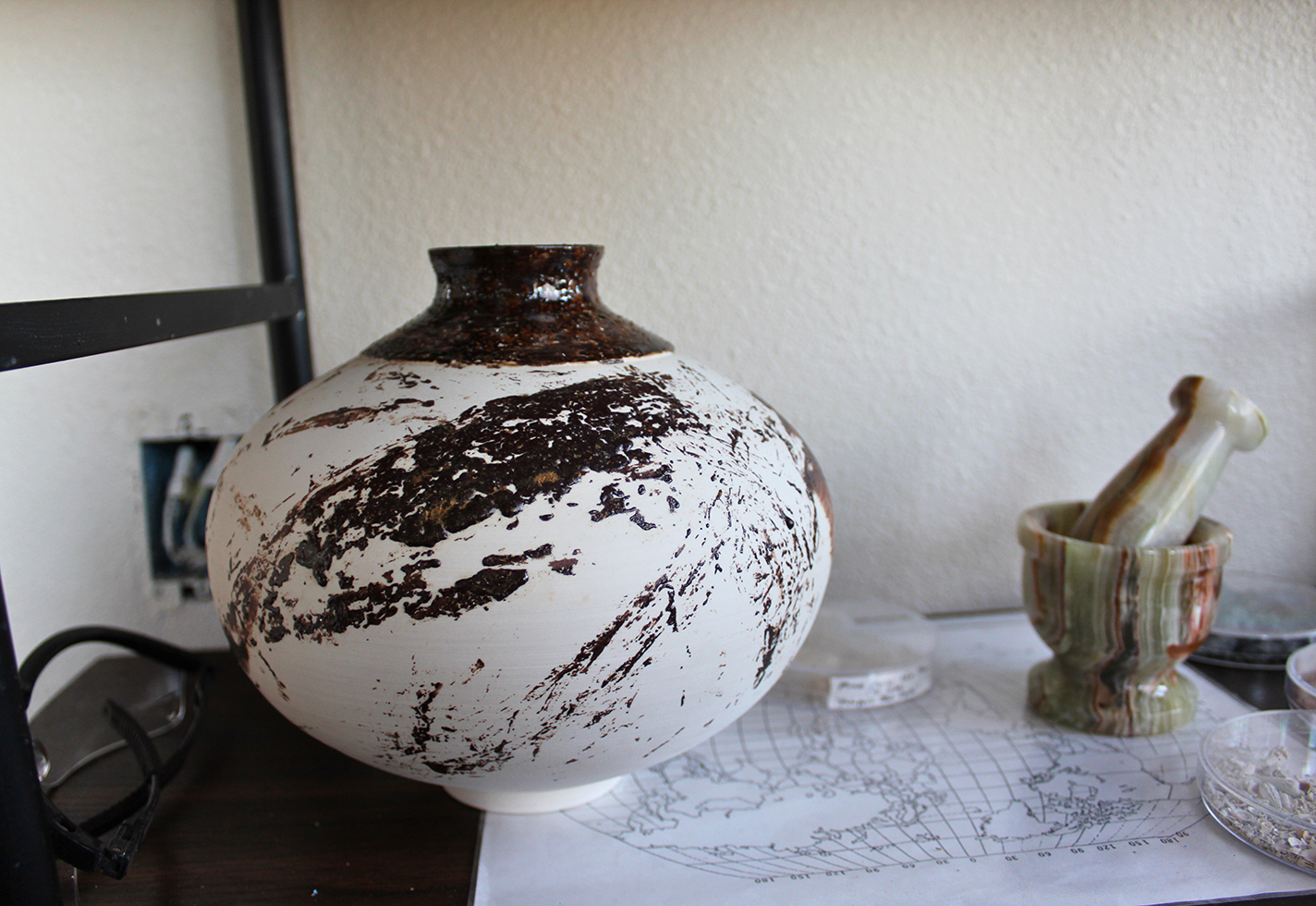
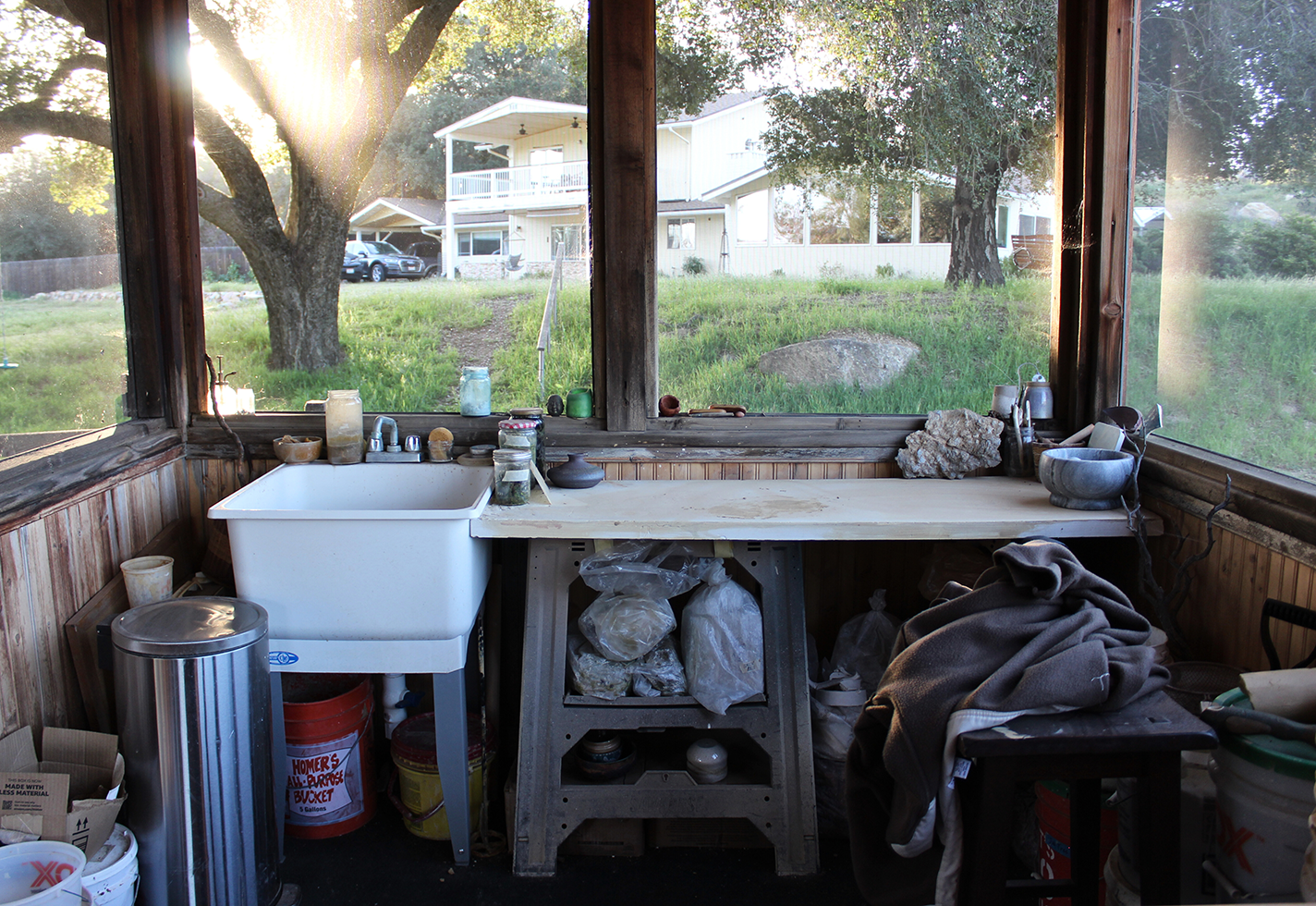
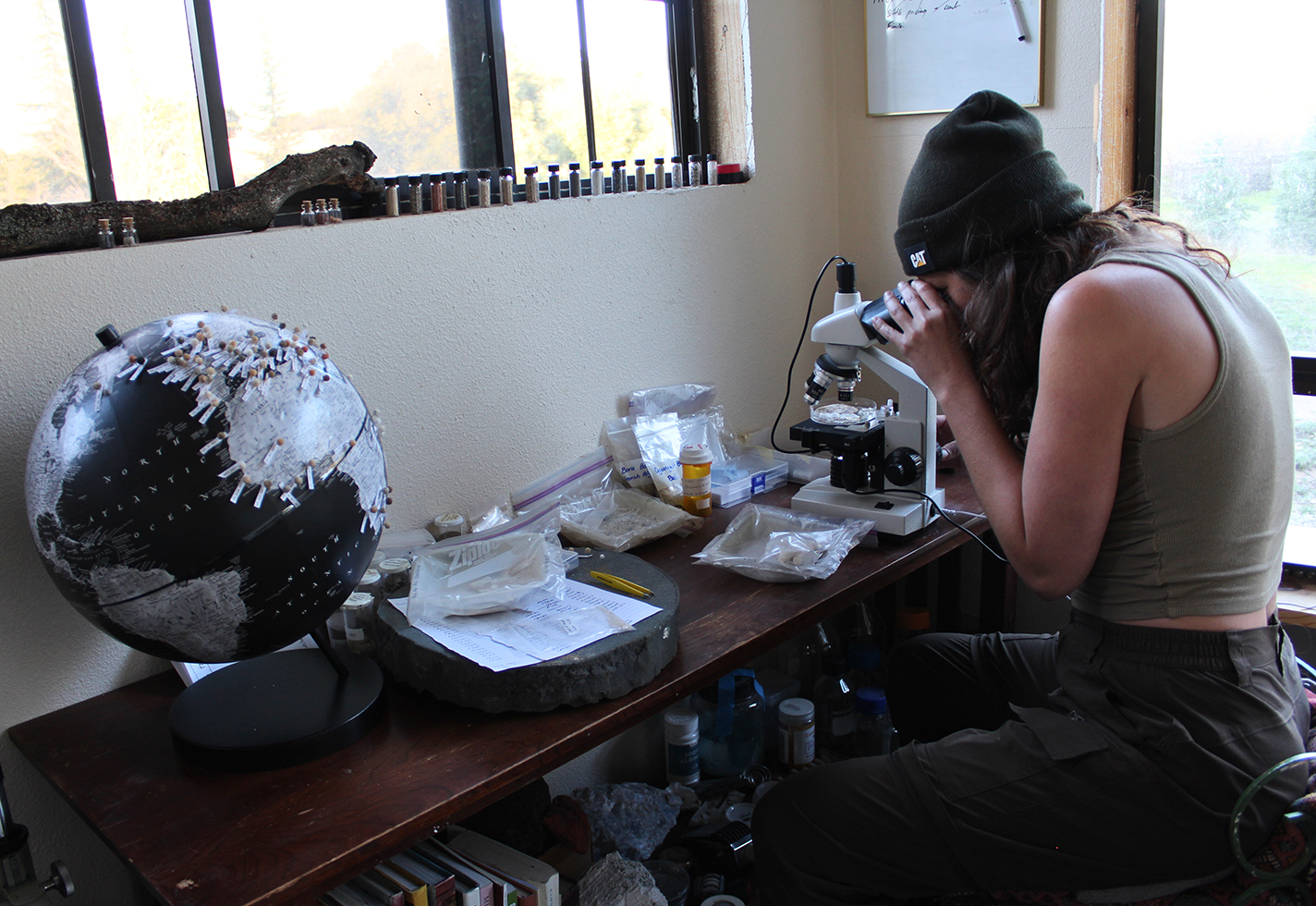
Much of this research extends into her own studio, set among cattle pastures in the rural foothills of the Cuyamaca Mountains in southeastern San Diego County. Kier built the structure with her father on her family’s property beneath the shade of two giant oak trees. Inside, a microscope rests next to test tubes of sand, and ceramic pots bear the marks of her firing tests. Gesturing toward a half-finished window, she says, “The frame. I always meant to put that in.” It’s an idyllic setting that stands in contrast to the typical high-tech laboratory.
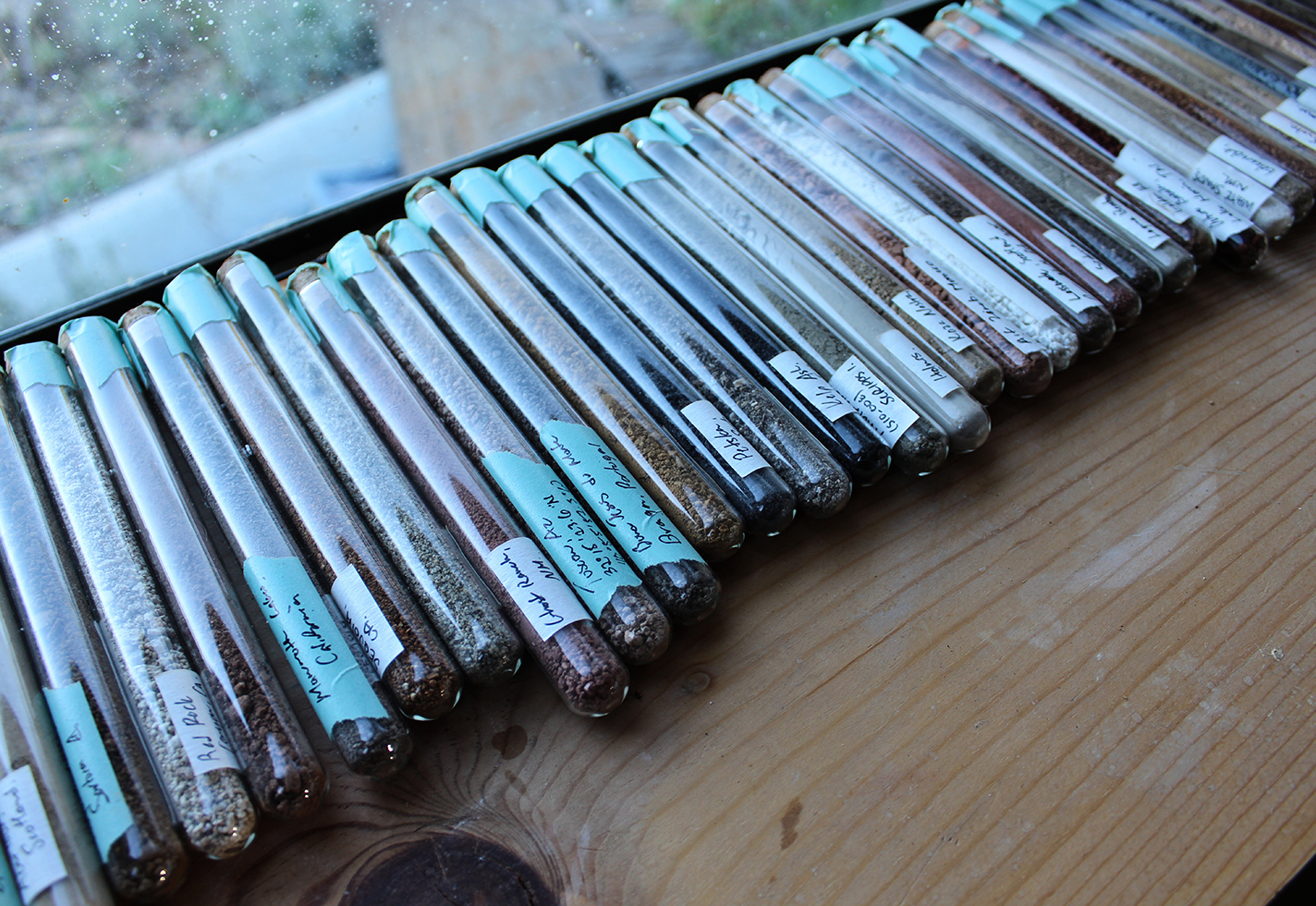
Kier collects clay and sand from all over the world.